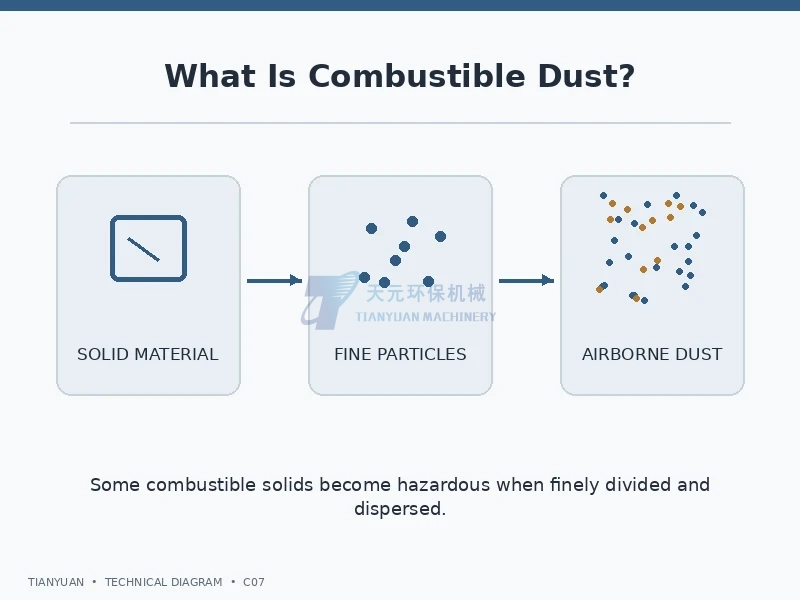
What Is Combustible Dust? Definition, Examples and Explosion Risks
A technical definition of combustible dust, typical powder categories, the explosion pentagon, sample-specific testing and process-design boundaries for wood and metal powder lines.
Technical Articles and Company News
Read equipment selection guidance, product knowledge, industry updates and company news.

A technical definition of combustible dust, typical powder categories, the explosion pentagon, sample-specific testing and process-design boundaries for wood and metal powder lines.
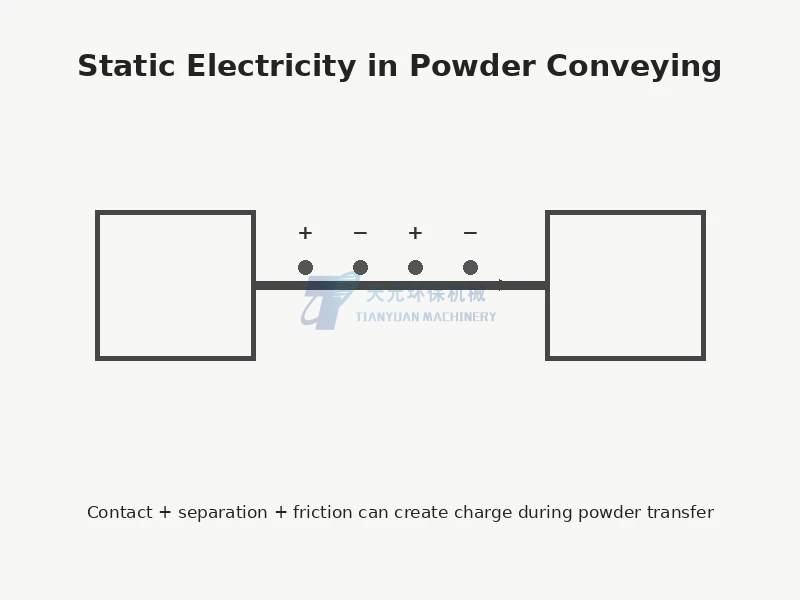
Understand how static charge builds during powder conveying, where to inspect electrical continuity, and how bonding and grounding fit into combustible-dust risk assessment.
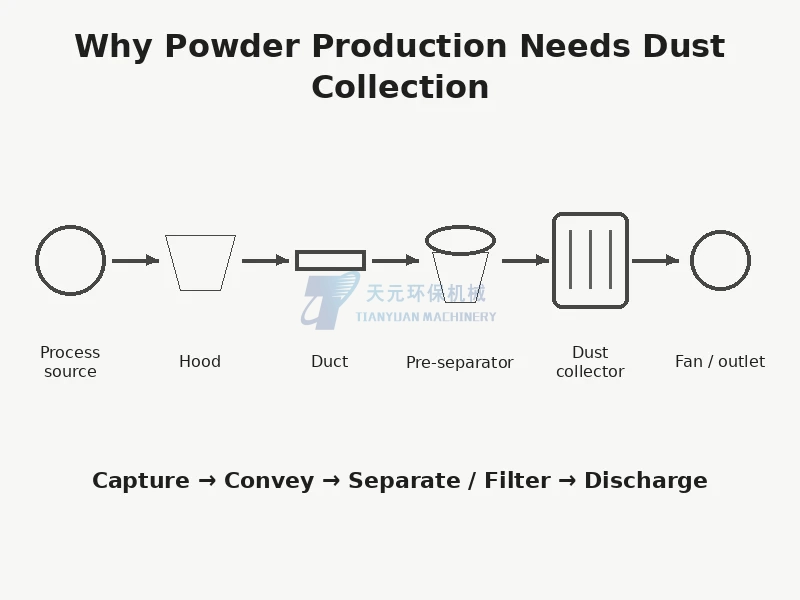
Learn how source capture, ductwork, separation and filtration work together in powder production, and which material and safety factors guide system selection.
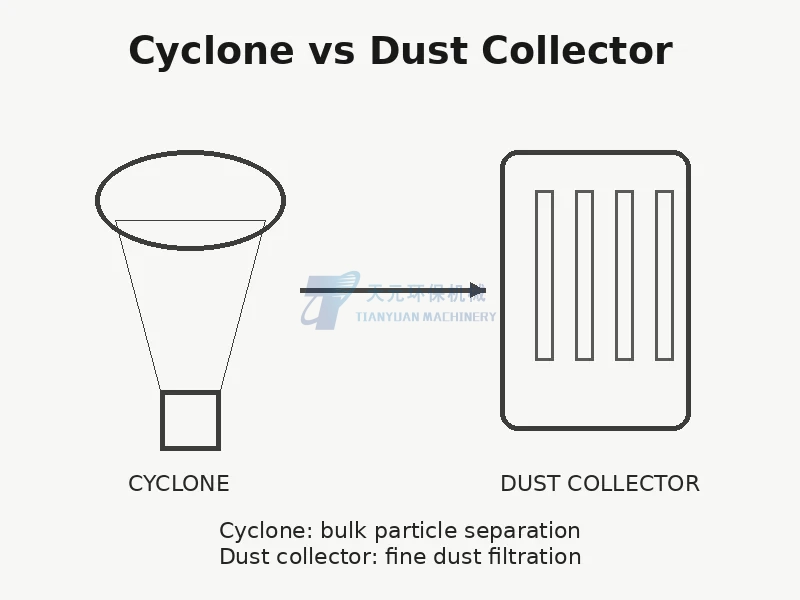
Compare cyclone separation with baghouse and cartridge filtration, understand why they work in series, and learn which process data guide powder-line selection.
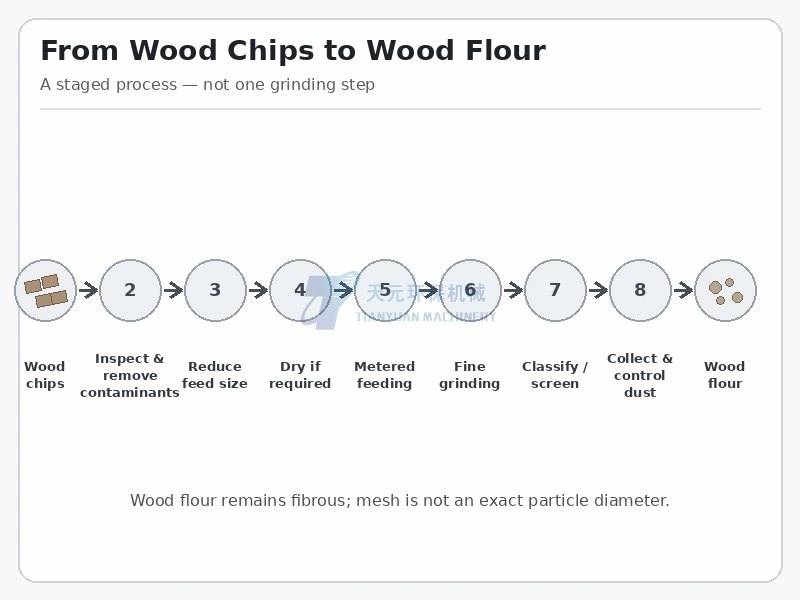
Wood chips usually need inspection, size reduction, moisture control when required, metered feeding, fine grinding, classification, screening and dust collection before they become consistent wood flour. This guide explains which stages are necessary and which can be skipped when feed is already…
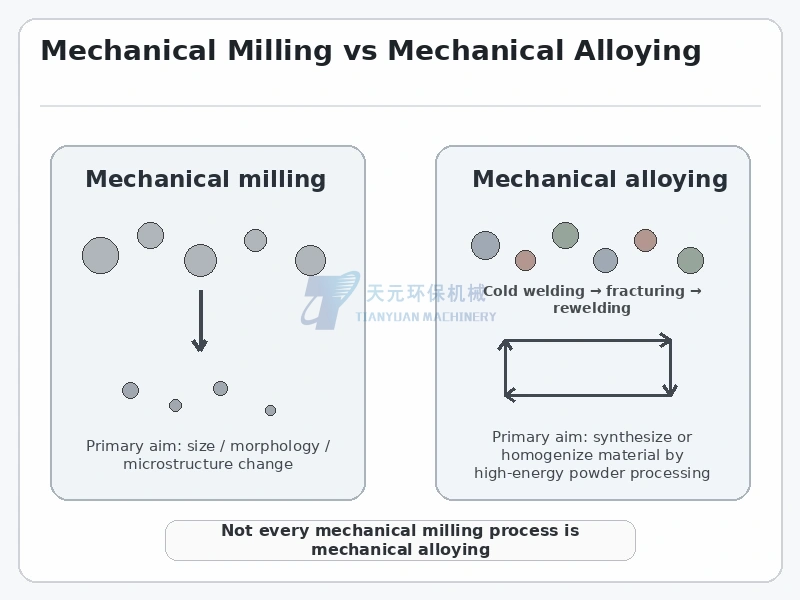
Mechanical milling and mechanical alloying both use mechanical energy, but they serve different goals. Milling can reduce particle size or refine structure, while mechanical alloying uses repeated cold welding, fracture and rewelding to synthesize or homogenize powder materials in the solid state.
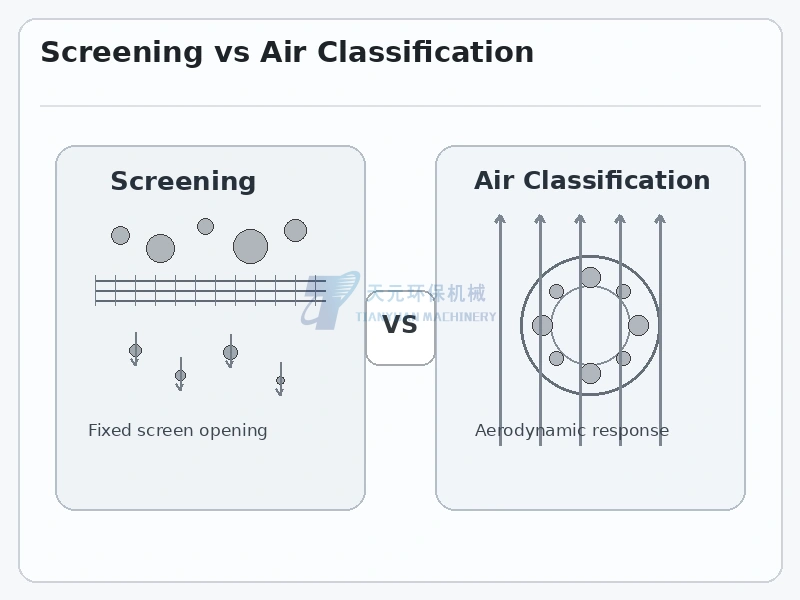
Screening separates powder by a fixed physical opening, while air classification separates particles by aerodynamic behavior. Learn the practical differences, when each method works best, why mesh and D50 are not equivalent, and why many powder lines use both.
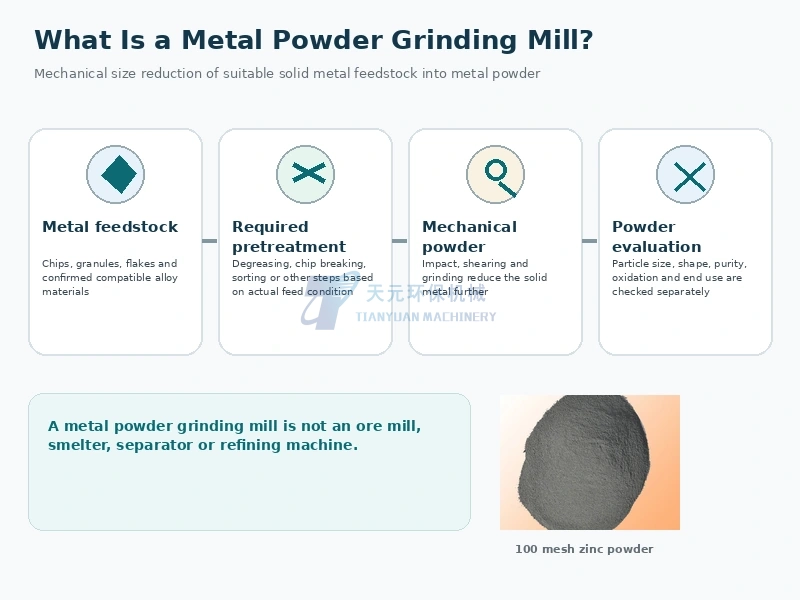
Learn what a metal powder grinding mill is, how mechanical powder production works, which metal feedstocks are suitable, why mesh alone is not enough, and where metal powders are used.
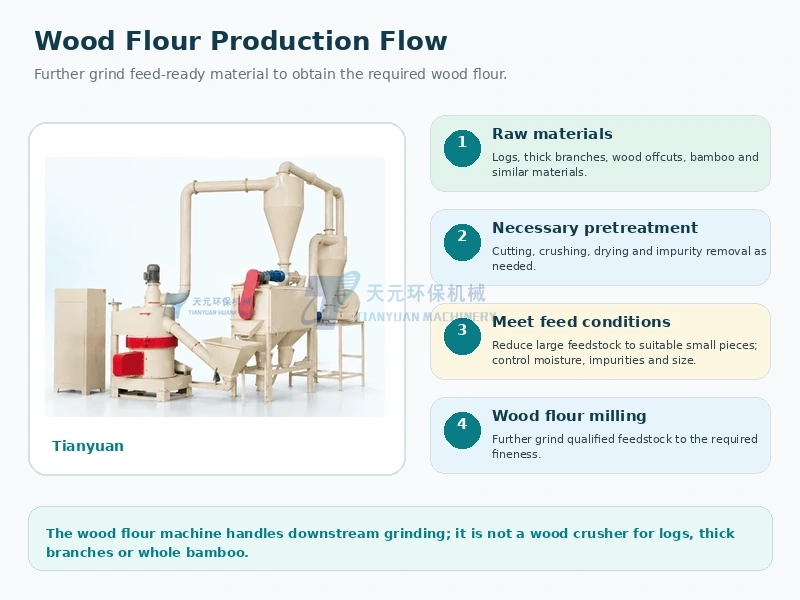
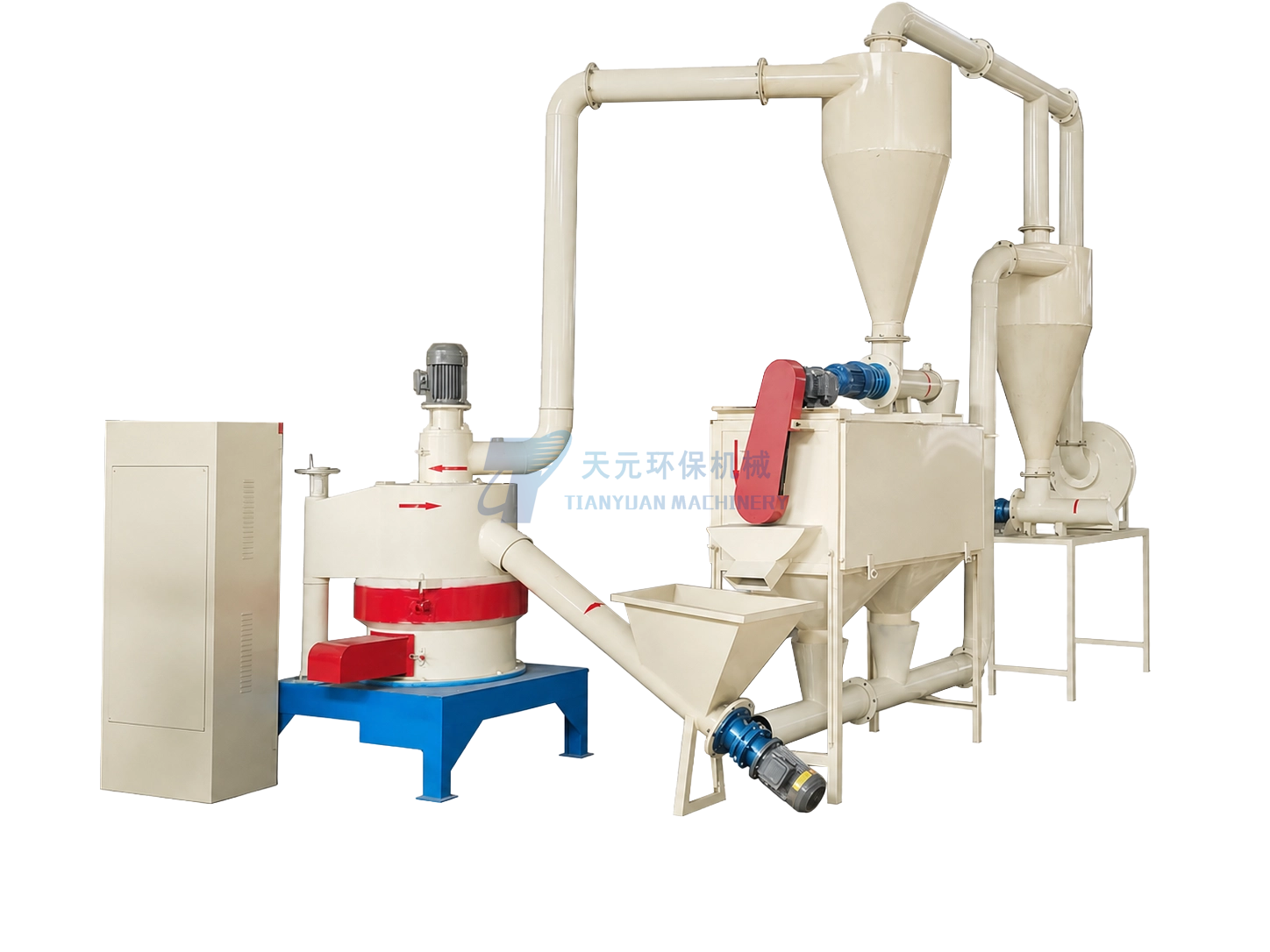
Learn what a wood flour machine is, how it differs from a wood crusher, what materials it can process, how fineness affects machine selection, and where wood, bamboo and plant powders are used.
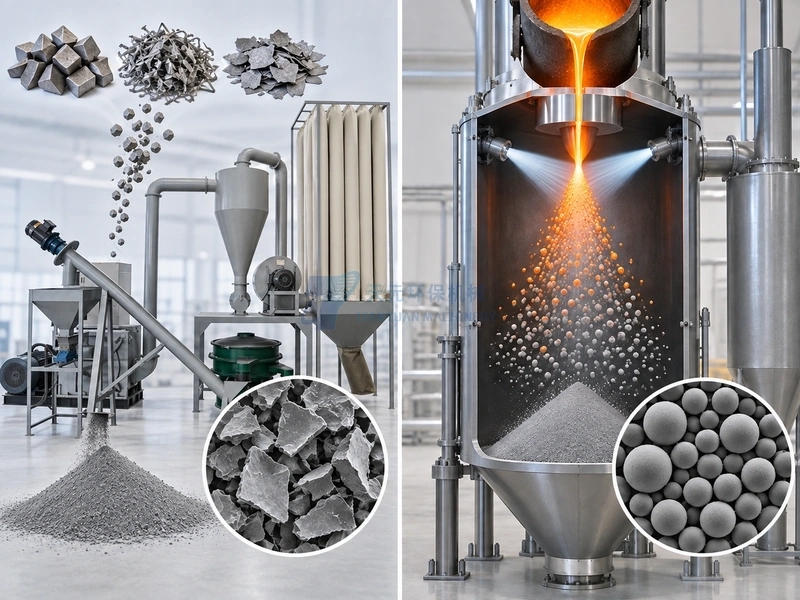
Mechanical milling and atomization produce metal powders through fundamentally different mechanisms. Milling reduces solid metal feed and typically yields irregular particles, while atomization forms powder from molten droplets and can deliver higher sphericity. This guide compares morphology, flowability, feed requirements, process limits…
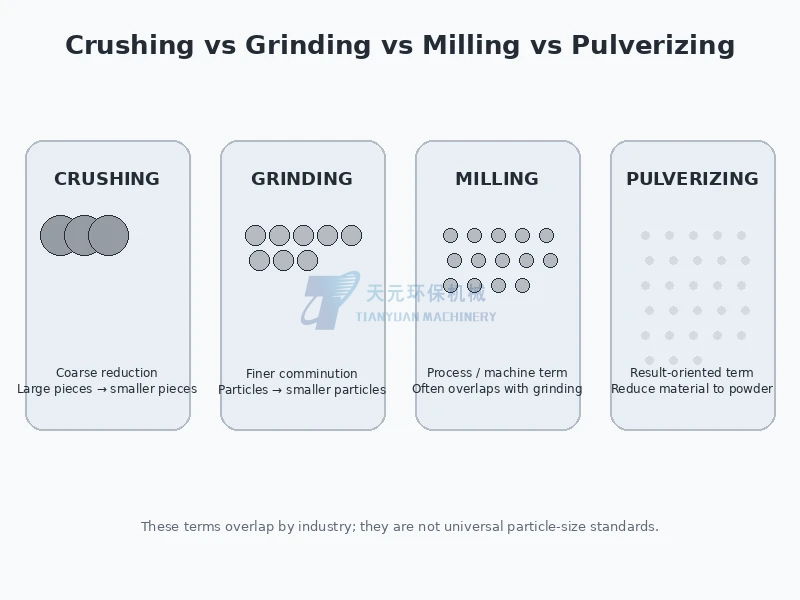
Crushing, grinding, milling, and pulverizing all reduce material size, but the terms overlap. Crushing usually describes coarse breakage, grinding finer comminution, milling a mill-based size-reduction process, and pulverizing the production of powder. This guide explains the terminology and the process data that…
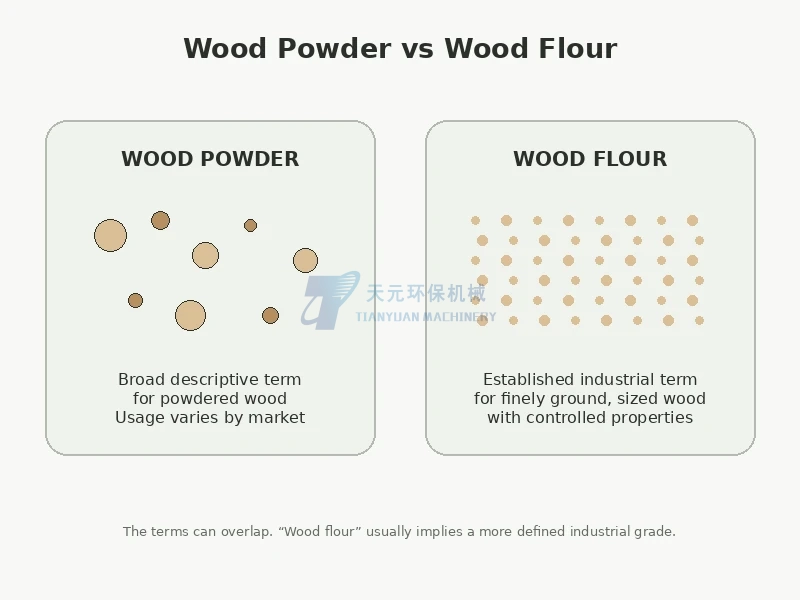
Wood powder and wood flour can refer to overlapping materials, but their names alone do not define product quality. Wood powder is a broad description, while wood flour commonly refers to finely ground and classified wood for industrial use. Learn how particle-size…
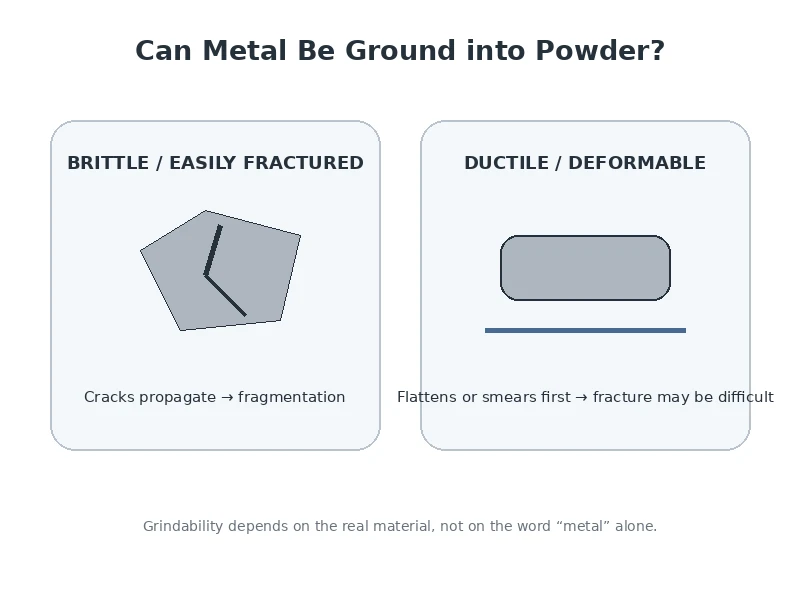
Some metals can be mechanically ground into powder, but suitability depends on the real material and process conditions rather than on the metal name alone. Brittle metals, brittle alloys and intermetallics fracture readily, while highly ductile metals may flatten, smear, work-harden, agglomerate…
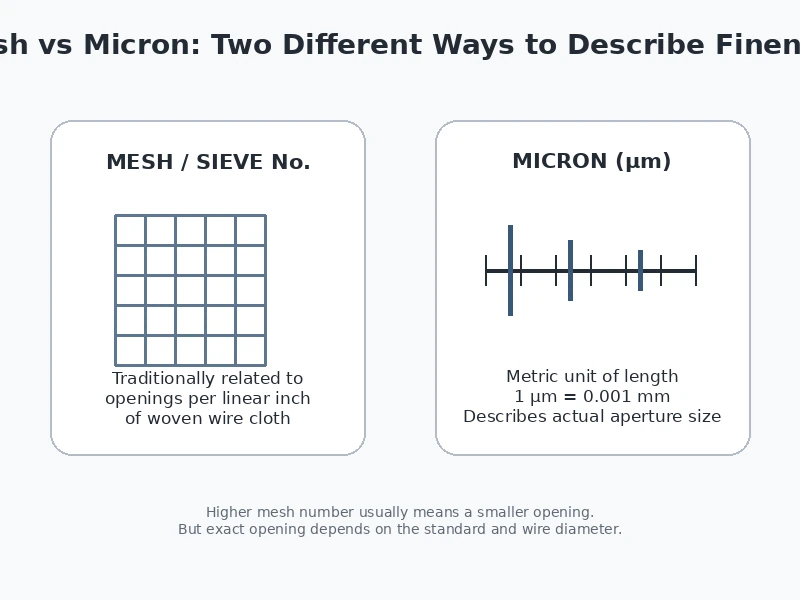
Mesh and micron are both used to describe powder fineness, but they are not interchangeable units. Mesh is a sieve designation whose actual opening depends on wire diameter and the sieve standard, while a micron is a direct unit of length. This…
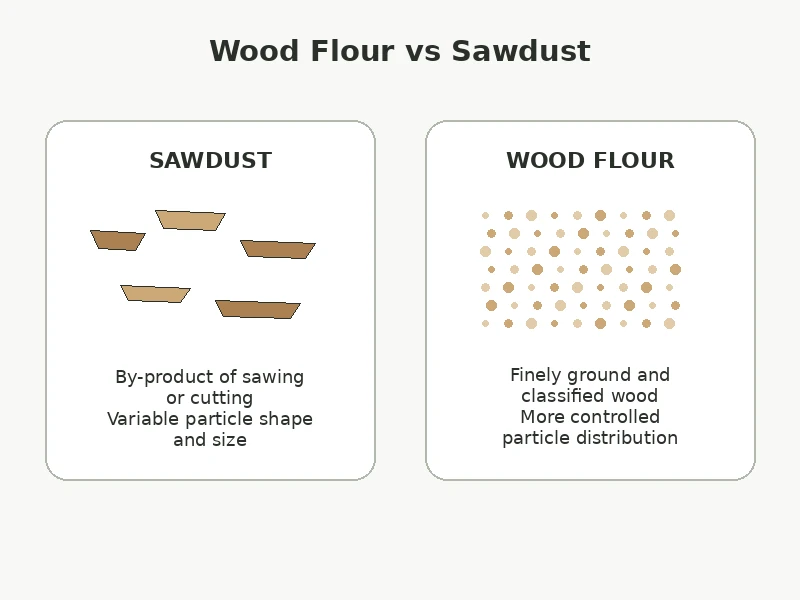
Wood flour and sawdust both come from wood, but they serve different roles in industrial processing. Sawdust is a variable by-product of woodworking, while wood flour is a deliberately processed fine material with controlled particle size and consistency. This guide explains the…
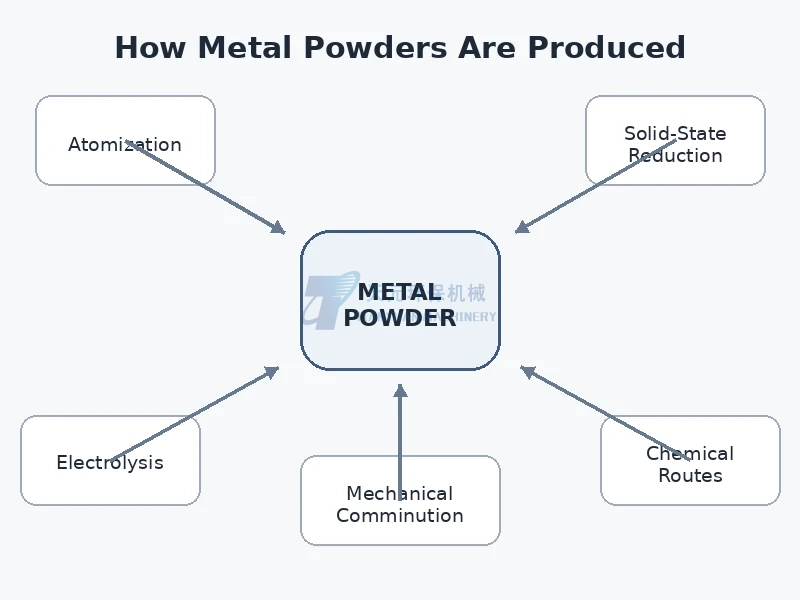
Learn the main metal powder production methods, including atomization, reduction, electrolysis, chemical routes and mechanical milling, and how each process affects powder properties.
Select mechanical metal powder equipment by feedstock composition, feed form, particle size, purity, particle shape, capacity and safety requirements.
Waste wood recycling may combine chippers, crushers, dryers, and wood powder mills to prepare feedstock for qualified downstream applications.
Waste wood can be converted into usable powder when sorting, chipping, crushing, drying, milling, and dust collection are matched to the final application.
Assess zinc powder grinding equipment by feed form, particle size, purity, particle shape, capacity and temperature control requirements.
Wood powder mills prepare consistent wood flour for suitable WPC applications when moisture, fineness, throughput, and contamination are controlled.
Explore metal powder milling for selected powder metallurgy applications, with attention to particle size, purity, particle shape and process safety.
Choose a wood powder mill by confirming material type, feed size, moisture, target fineness, required capacity, and downstream use.
Learn the stages of mechanical nonferrous metal powder production, from feedstock assessment and controlled feeding to grinding, classification and collection.
Share the material form, feed size, moisture, target fineness and required capacity so we can evaluate equipment suitability.