
Technical Articles
What Problems Can Wet Wood Cause in Fine Grinding?
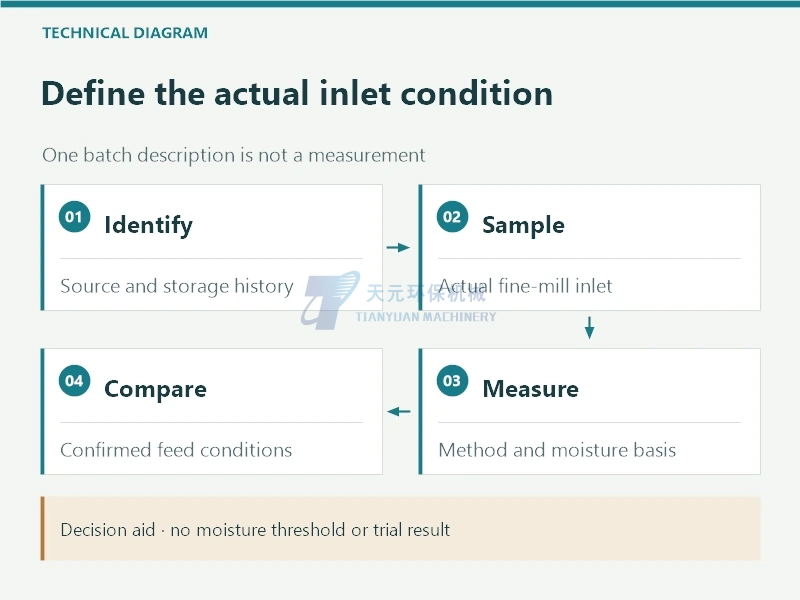
Wet feed can disturb feeding, separation and powder acceptance. Diagnose the affected stage, verify moisture and restore approved feed conditions before restarting.
Technical Articles and Company News
Read equipment selection guidance, product knowledge, industry updates and company news.
Wet feed can disturb feeding, separation and powder acceptance. Diagnose the affected stage, verify moisture and restore approved feed conditions before restarting.
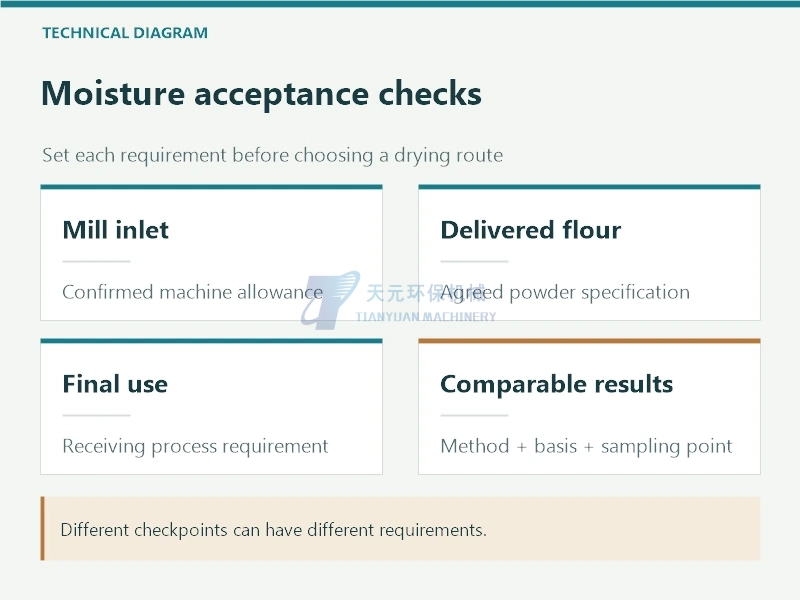
Decide whether wood needs drying before fine milling by checking measured inlet moisture, the agreed machine limits and the required wood flour quality.
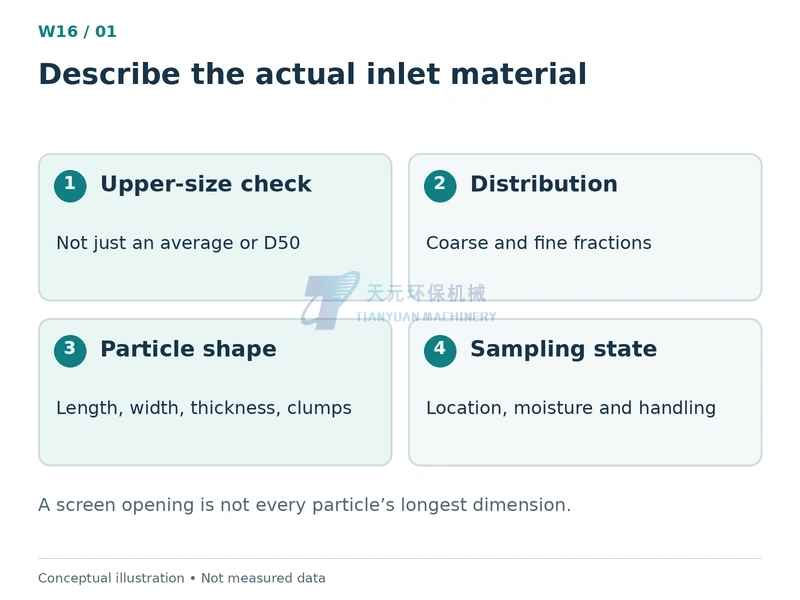
Feed size affects the material delivered to a wood mill, but an average alone hides oversize and long fragments. Learn what to measure, how to compare preparation routes and why smaller feed does not automatically minimize whole-line energy per tonne of accepted…
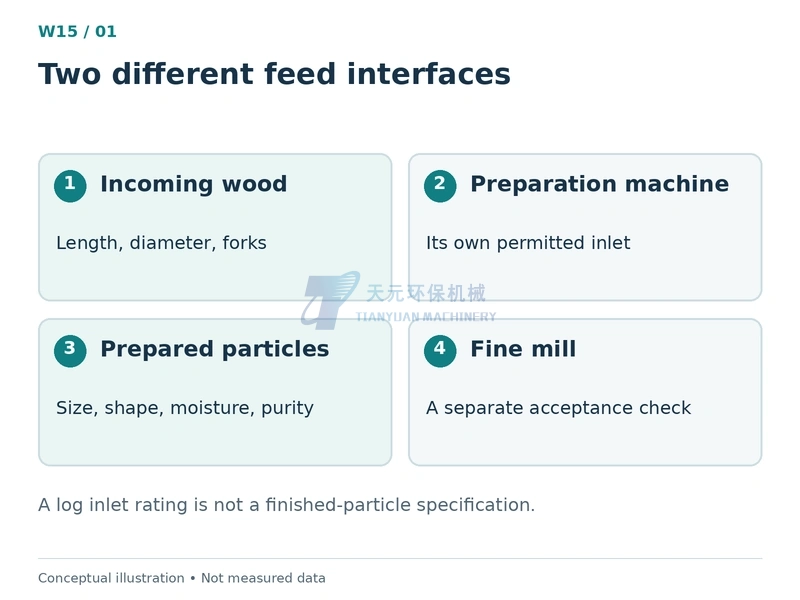
Logs and branches need a defined preparation route before fine milling. Learn how to check source identity, select size-reduction stages, assess bark and foreign material, control moisture and release prepared feed to the wood flour mill.
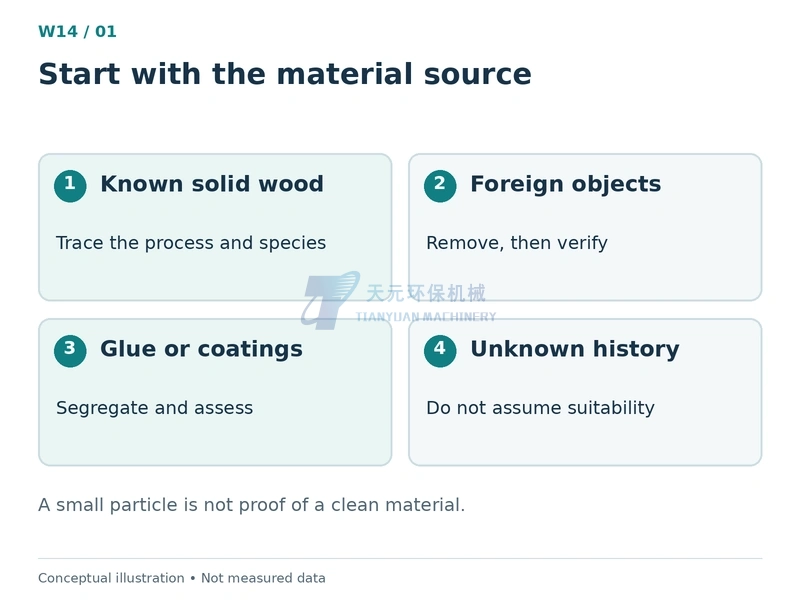
Wood shavings can be evaluated for wood flour production, but thin flakes are not automatically suitable mill feed. Check origin, contamination, dimensions, moisture, feeding behavior and accepted powder output before selecting the preparation route.
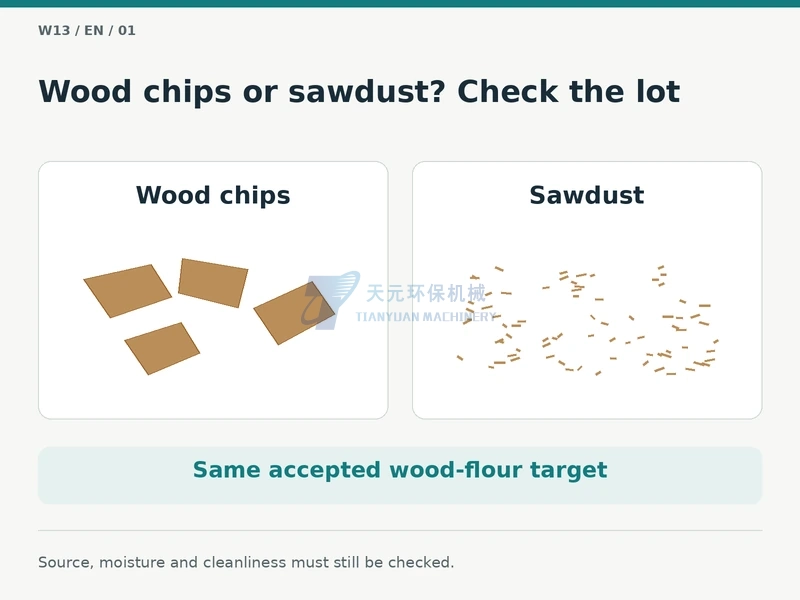
Clean, well-controlled sawdust may simplify preparation, while traceable wood chips may offer a better-controlled source. Compare actual lots, necessary pretreatment and accepted dry-product output before choosing feedstock for a wood flour line.
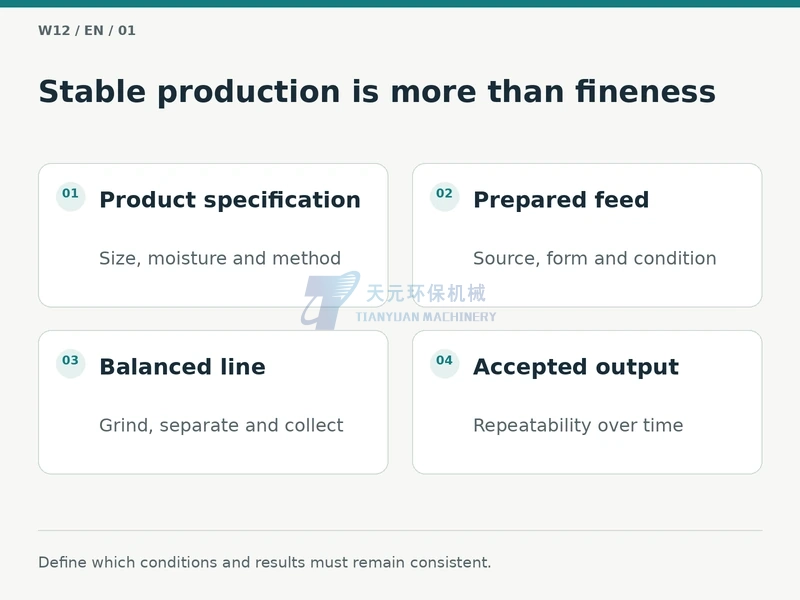
A fine sample does not demonstrate stable production. Learn how feed consistency, grinding demand, classification, collection and measurement interact, and how to compare accepted wood-powder output without inventing universal settings.
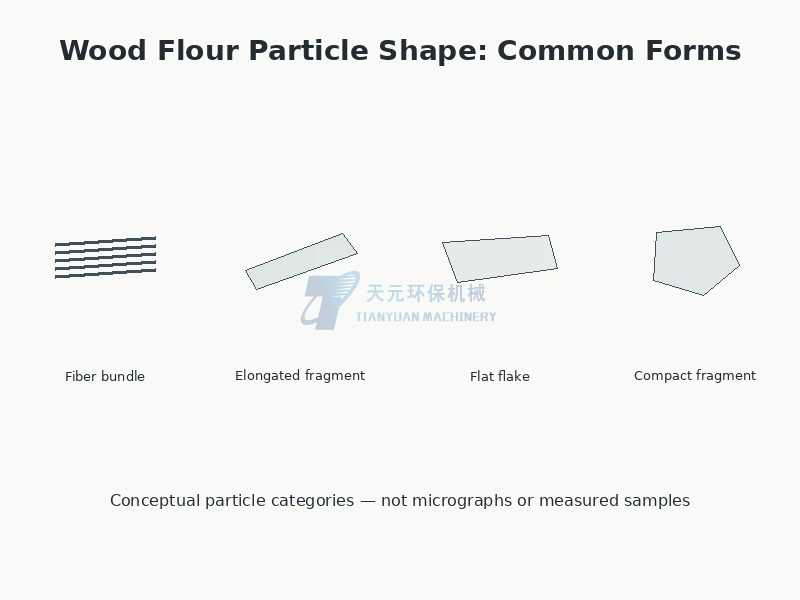
Wood flour can contain fiber bundles, elongated fragments, flakes and compact particles. Learn how morphology affects feeding, flow and end-use performance, and how to specify shape without confusing it with mesh size.
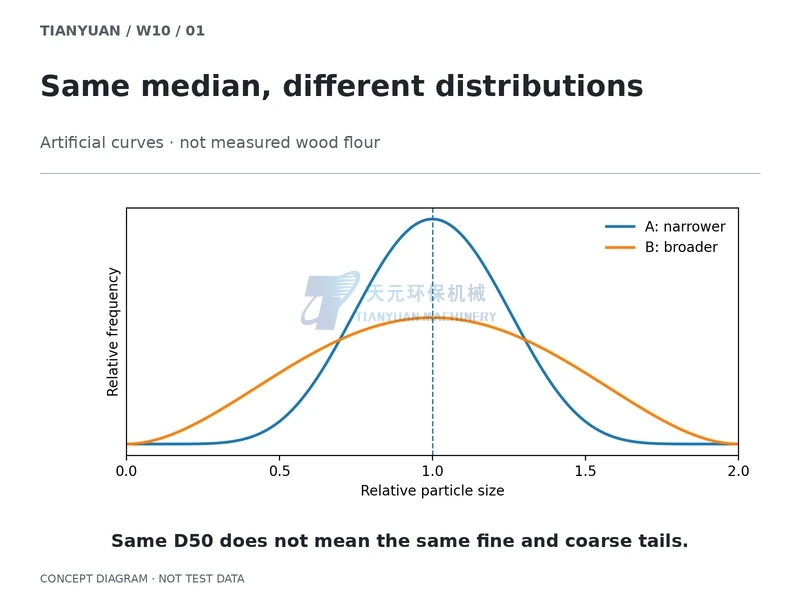
A mesh label or D50 alone cannot describe all wood flour particles. Define the measurement basis, compare the fine and coarse tails, and connect the distribution to the accepted product.
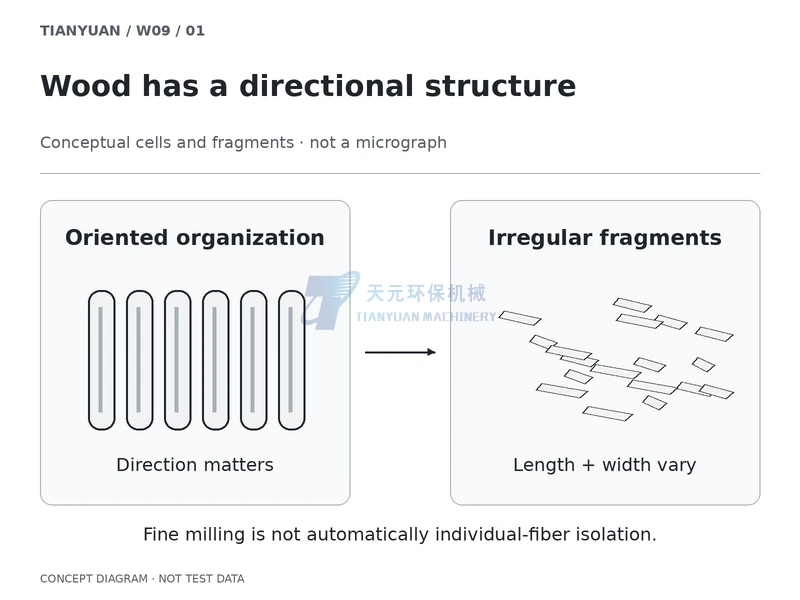
Wood fiber structure affects how particles split, shorten and retain elongated shapes during grinding. Compare feed form, moisture and measured powder characteristics rather than mesh size alone.
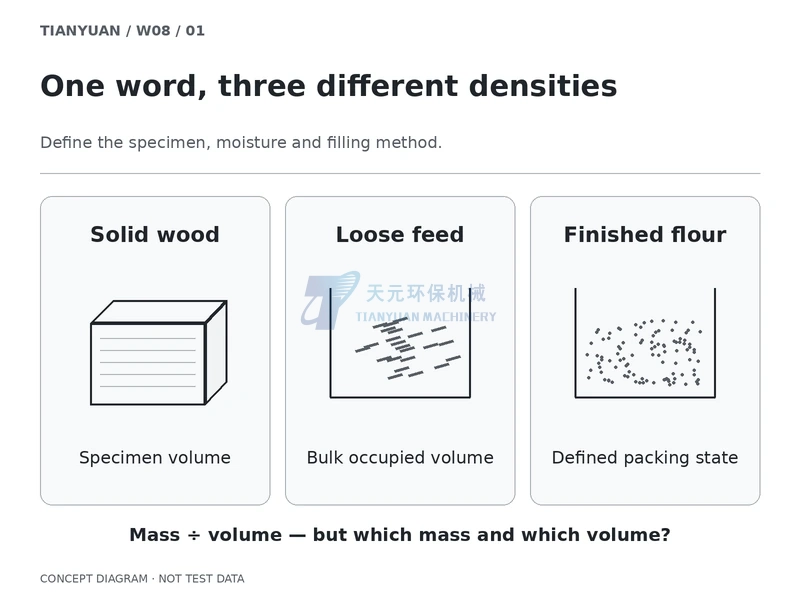
Distinguish solid-wood density from feed and product bulk density. Learn how density changes mass loading, how to compare grinding trials, and why it cannot predict output alone.

Hardwood and softwood are botanical groups, not guaranteed grinding-performance classes. Compare species, anatomy, moisture, feed form and accepted powder under matched test conditions before changing materials.
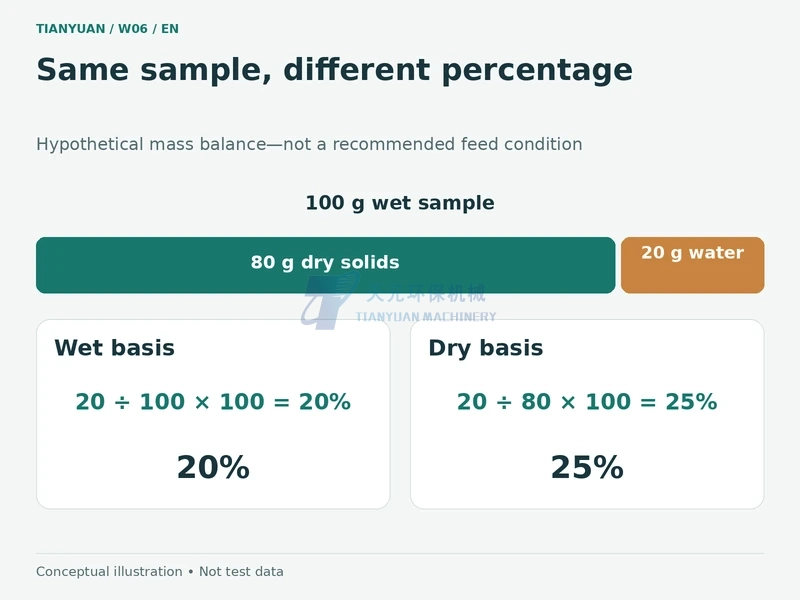
Wood moisture content can change feeding, size reduction and screening. Compare wet and dry basis correctly, measure representative feed and validate a working range within the equipment’s permitted conditions.
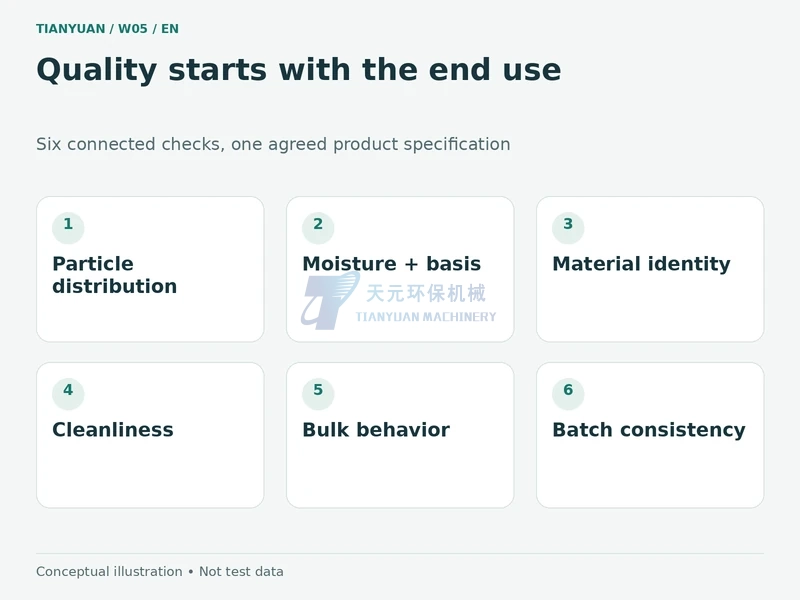
Wood flour quality is determined by fitness for its intended use, not fineness alone. Learn how to specify particle distribution, moisture, raw-material identity, cleanliness, bulk behavior and repeatable batch acceptance.
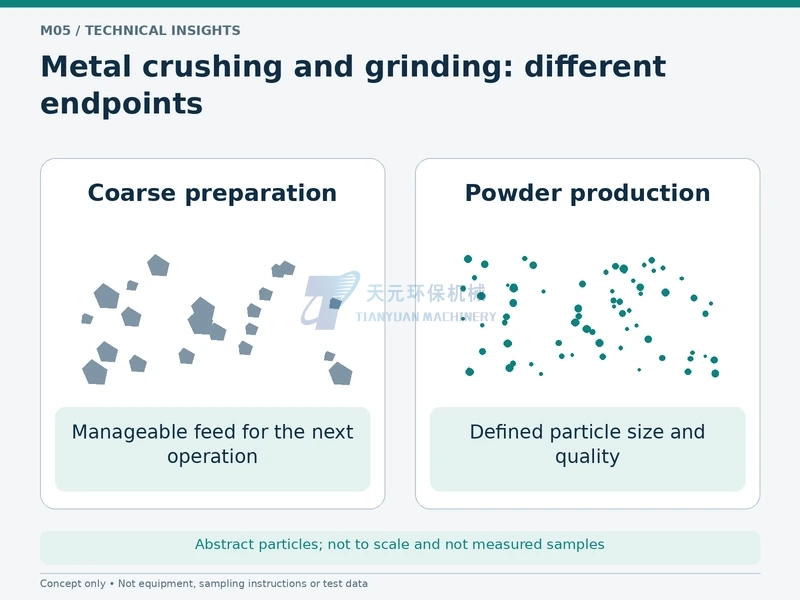
Metal crushing prepares manageable feed; metal powder grinding targets an agreed powder specification. Compare endpoints, material behaviour and Tianyuan equipment roles.
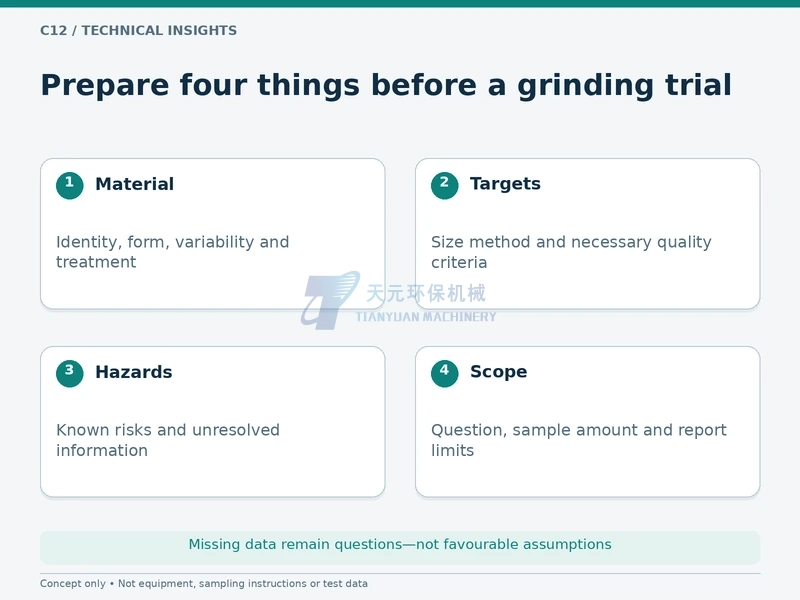
Prepare a useful grinding trial with representative feed, documented pretreatment, measurable powder targets, hazard information and an agreed test scope.
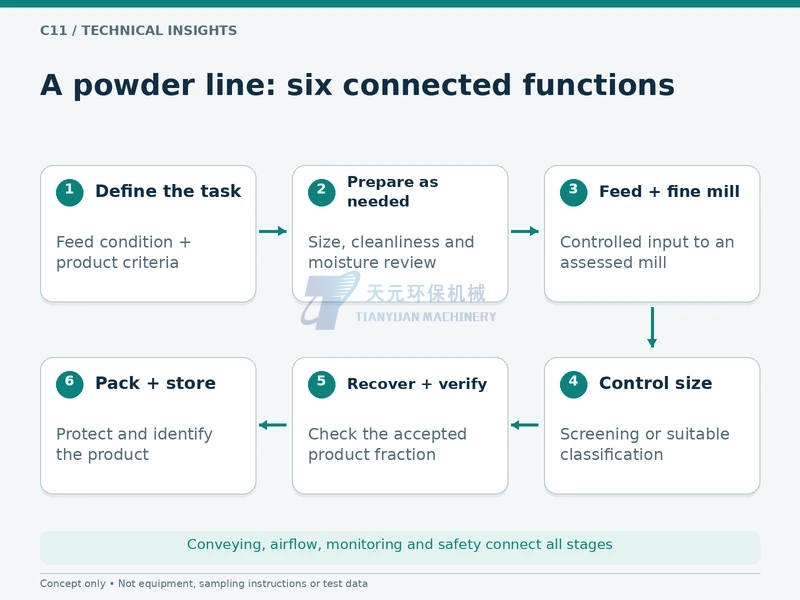
Understand the stages of a powder processing line, the difference between classification and collection, and how feed, recycle and qualified output should be connected.
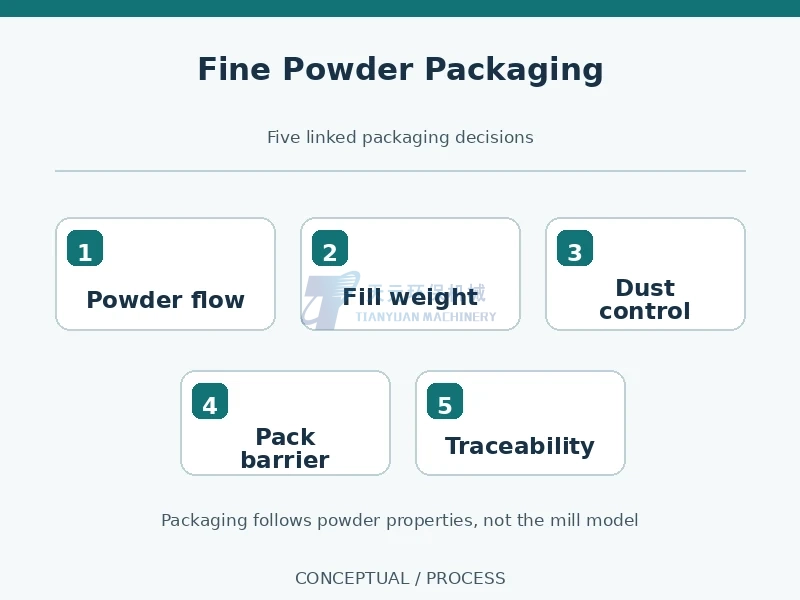
Fine powder packaging depends on material flow, accurate net weight, dust containment, packaging barriers and traceability. Wood flour and metal powder need different checks.
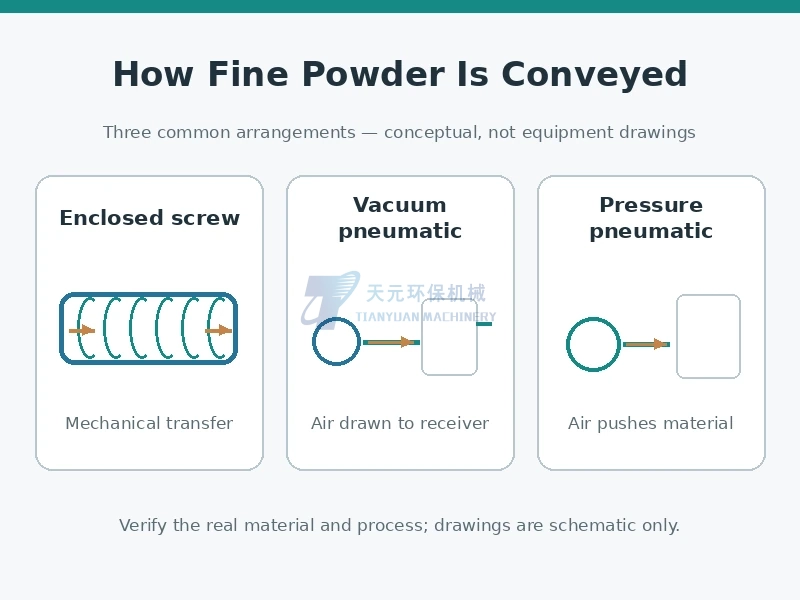
Fine powder can be moved by enclosed screw, vacuum conveying or pressure conveying. Compare methods, dilute vs dense phase, powder-flow limits and selection data.

Learn why smaller powder particles can change dust-cloud formation, ignition and deflagration. Understand fine fractions, D50 and why no mesh size guarantees safety.
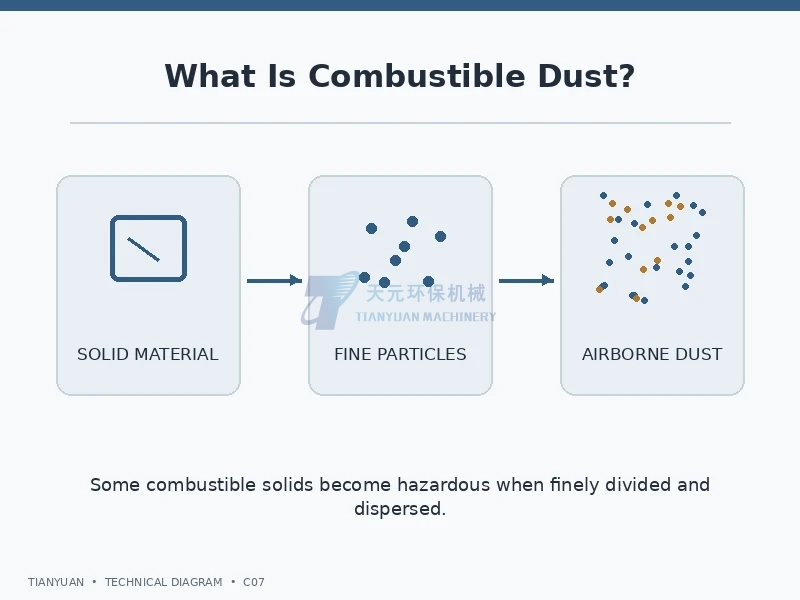
A technical definition of combustible dust, typical powder categories, the explosion pentagon, sample-specific testing and process-design boundaries for wood and metal powder lines.
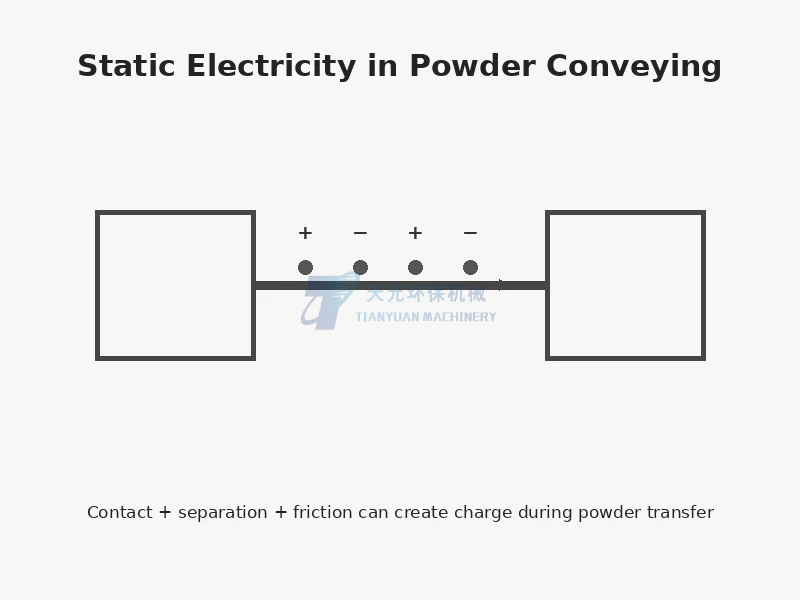
Understand how static charge builds during powder conveying, where to inspect electrical continuity, and how bonding and grounding fit into combustible-dust risk assessment.
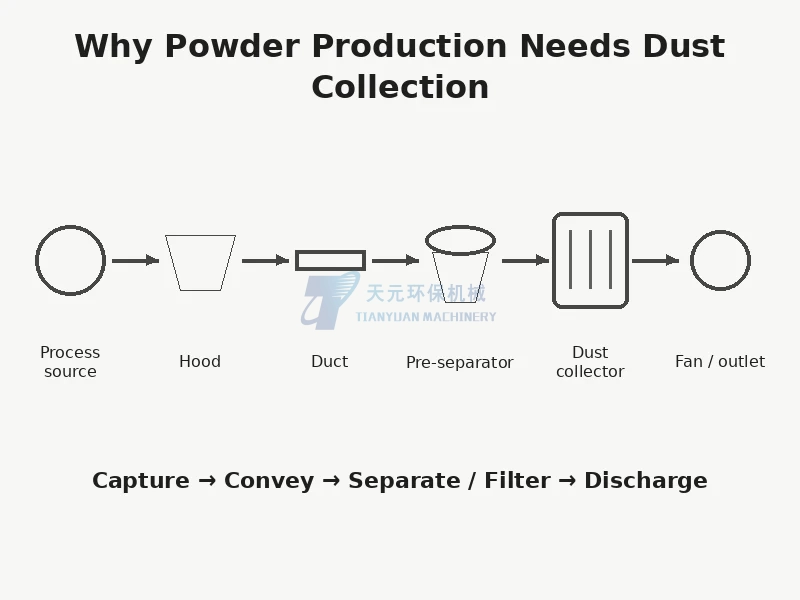
Learn how source capture, ductwork, separation and filtration work together in powder production, and which material and safety factors guide system selection.
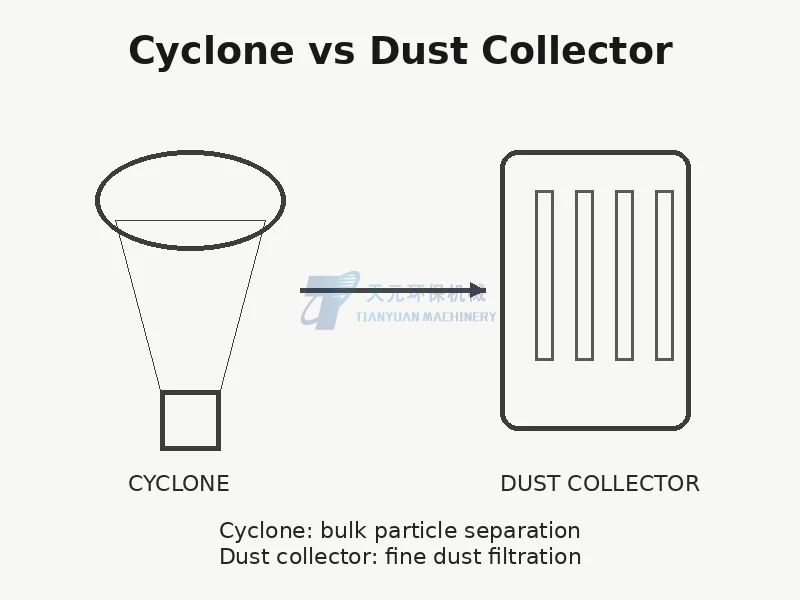
Compare cyclone separation with baghouse and cartridge filtration, understand why they work in series, and learn which process data guide powder-line selection.
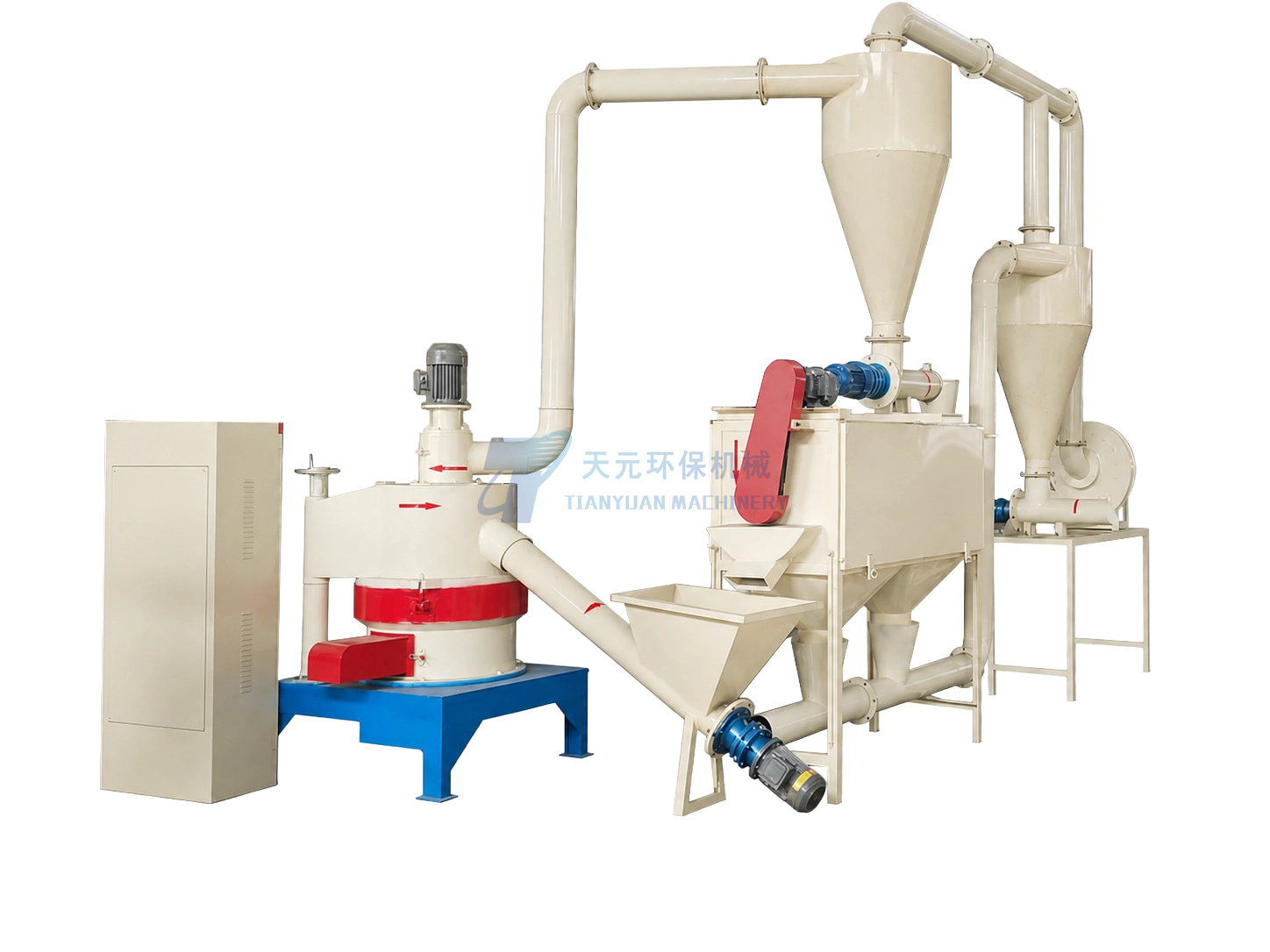
Share the material form, feed size, moisture, target fineness and required capacity so we can evaluate equipment suitability.