Evaluate First, Then Choose a Model
At the same time, verify the properties of the raw materials, the feed condition, the target powder specifications, and the on-site conditions.
Based on metal raw materials—such as zinc pellets, zinc shavings, zinc slag, and zinc beans—that meet the feed requirements, and taking into account the target particle size distribution, purity, particle shape, production capacity, and safety requirements, determine whether mechanical powder-making equipment (zinc powder mills) and the associated processes are suitable.
Request a Solution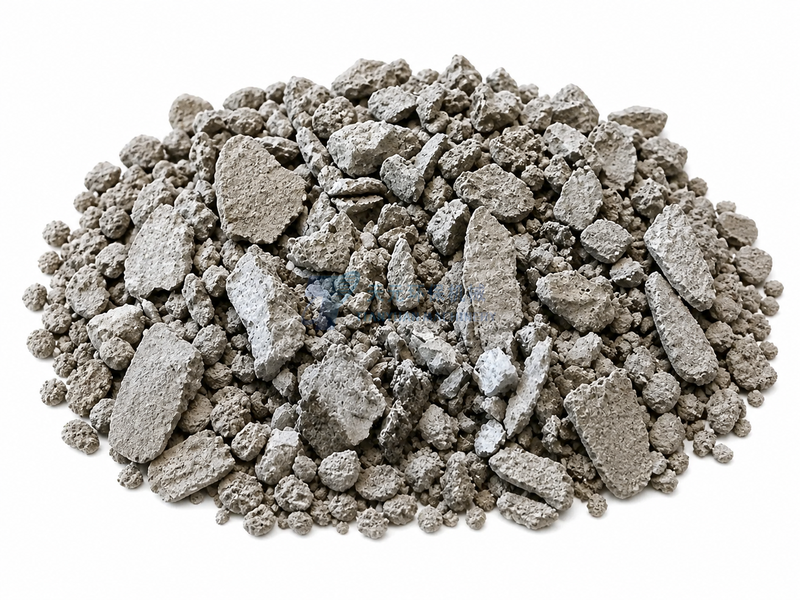
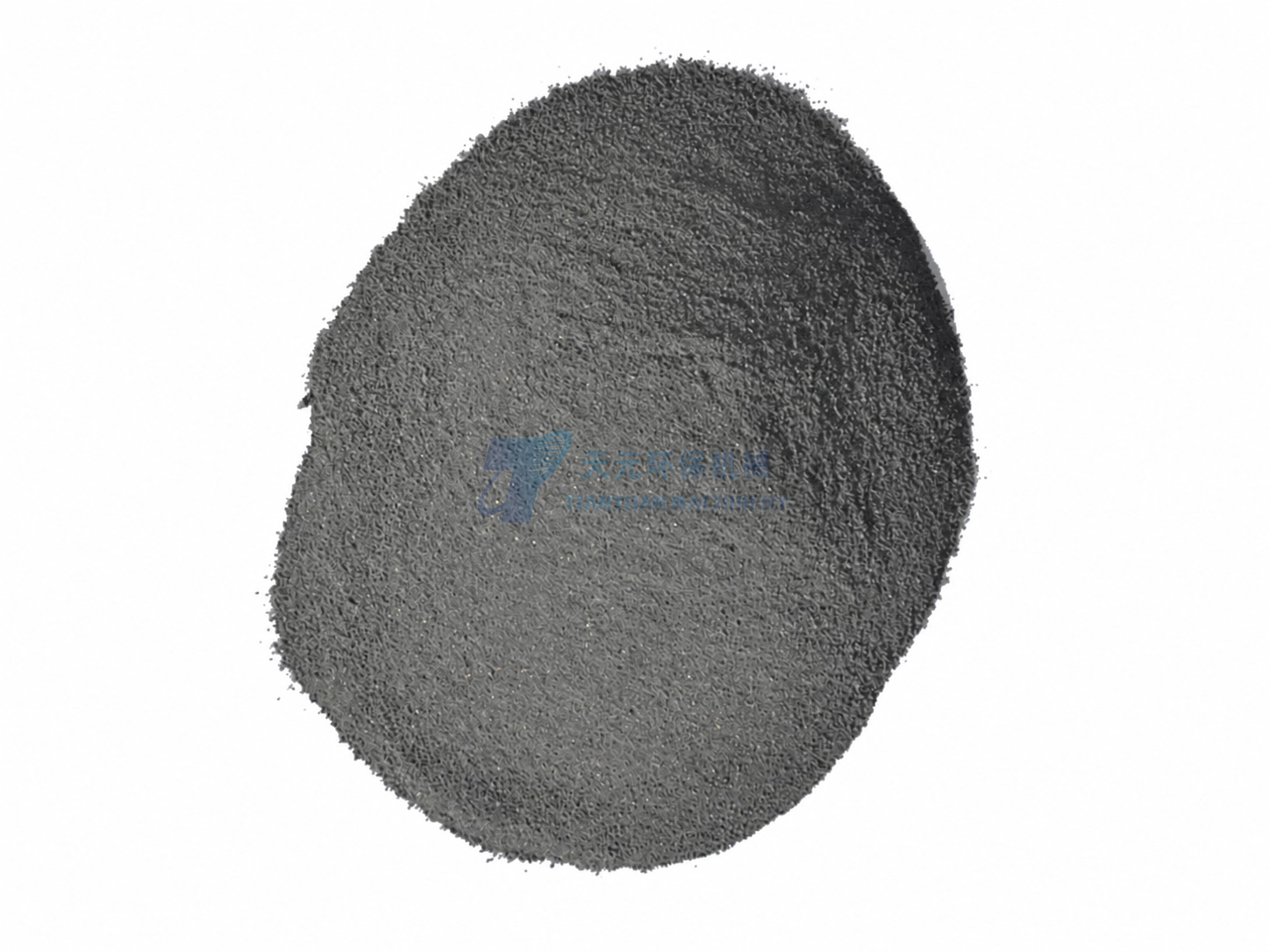
During the mechanical pulverization of zinc and zinc alloy materials, the process is typically influenced by various factors, including the raw material’s form, material toughness, feed size, target particle size, and production capacity requirements. Unlike ordinary brittle materials, zinc-based materials possess a certain degree of ductility, which places higher demands on equipment design, grinding methods, temperature control, and powder collection during the grinding process. Therefore, before determining the equipment model, a targeted assessment must be conducted based on the customer’s actual raw material conditions and finished product requirements to avoid selecting equipment based solely on a single parameter.
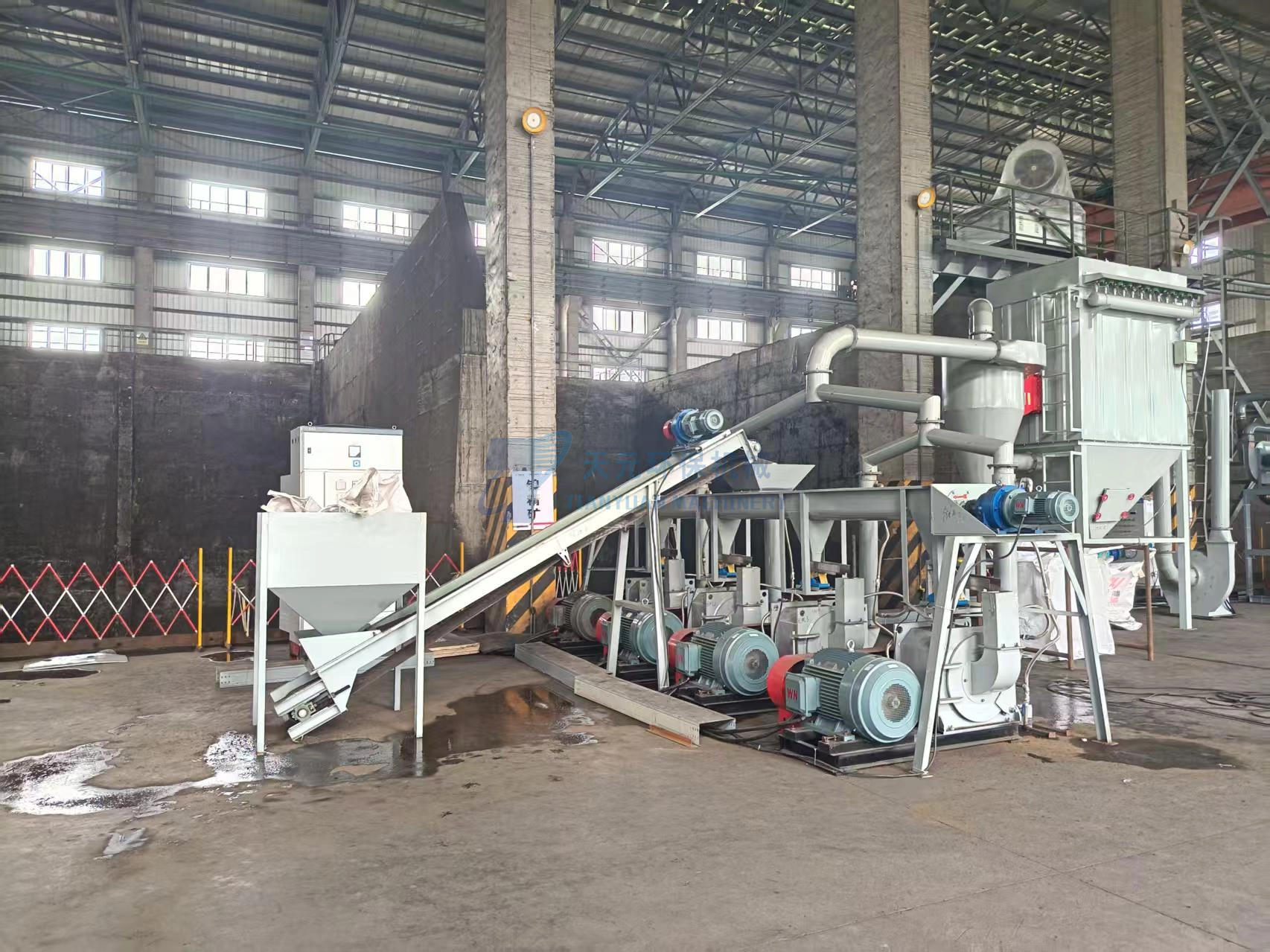
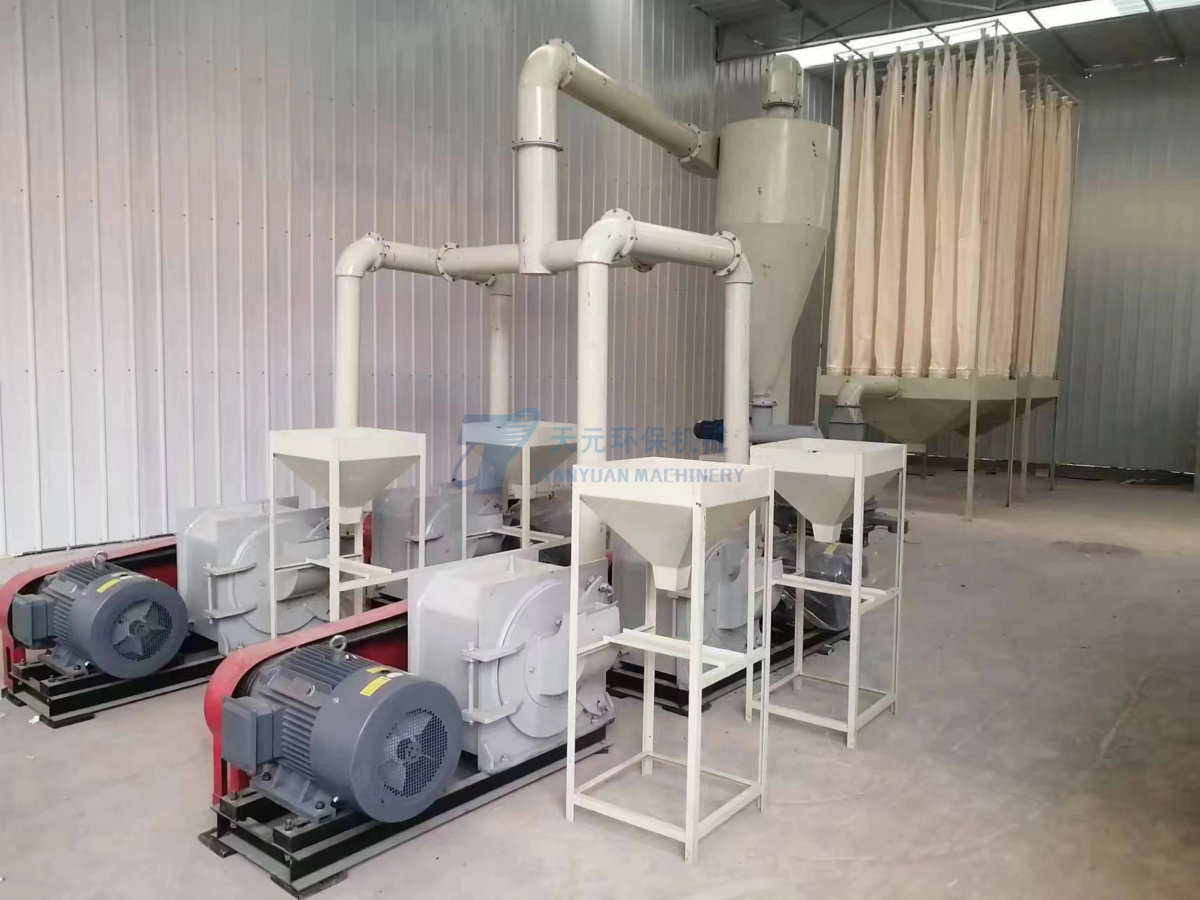
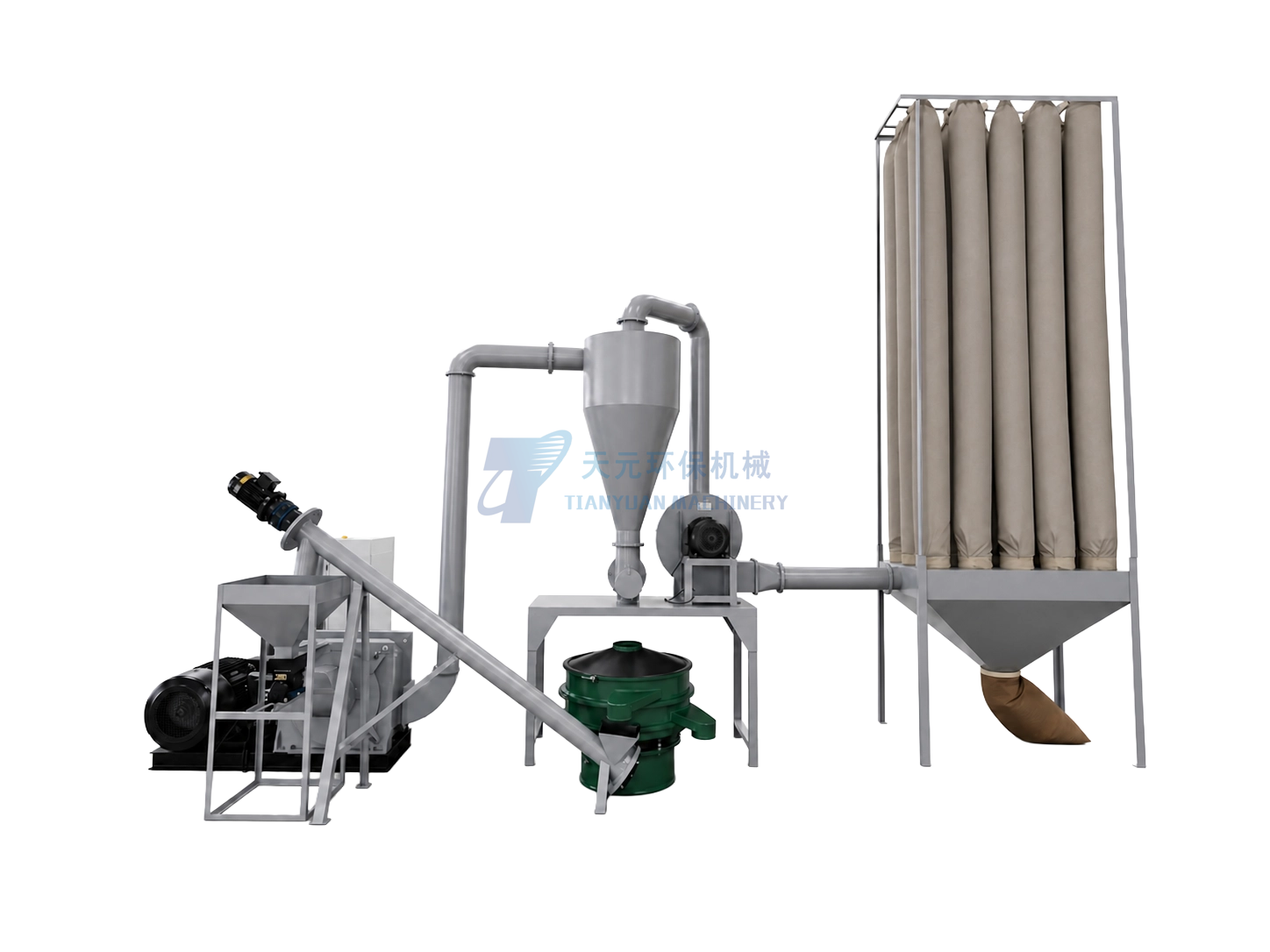
This solution is primarily designed for zinc lumps, zinc sheets, zinc granules, zinc pellets, zinc slag, zinc scale, scrap, and other zinc-based raw materials suitable for mechanical processing. Through proper pretreatment, uniform feeding, mechanical grinding with a zinc powder mill, classification and screening, and powder collection, this process enables the continuous processing of zinc materials from raw material to powder of the target particle size. Depending on the characteristics of different raw materials, adjustments can be made to equipment configuration, grinding intensity, classification methods, and collection systems to balance finished product particle size, processing capacity, and operational stability.
In actual projects, there is typically a correlation between the target particle size and output. Additionally, special requirements such as raw material purity, particle size, hardness, the presence of oxidation, and temperature rise can also influence the final process configuration. Tianyuan can select equipment based on the raw material information, feed size, target fineness, and production capacity requirements provided by the customer, and determine the appropriate powder production and collection solutions based on actual operating conditions. For materials with significantly different characteristics, processing results can be further verified through test runs to provide a basis for subsequent equipment configuration.
At the same time, verify the properties of the raw materials, the feed condition, the target powder specifications, and the on-site conditions.
Pre-treatment, grinding, screening, collection, and dust removal are combined according to project objectives.
Particle size, purity, particle shape, production capacity, and operational stability must be verified using representative samples.
Zinc powder mills are not intended for grinding zinc ore, rock, or non-metallic minerals.
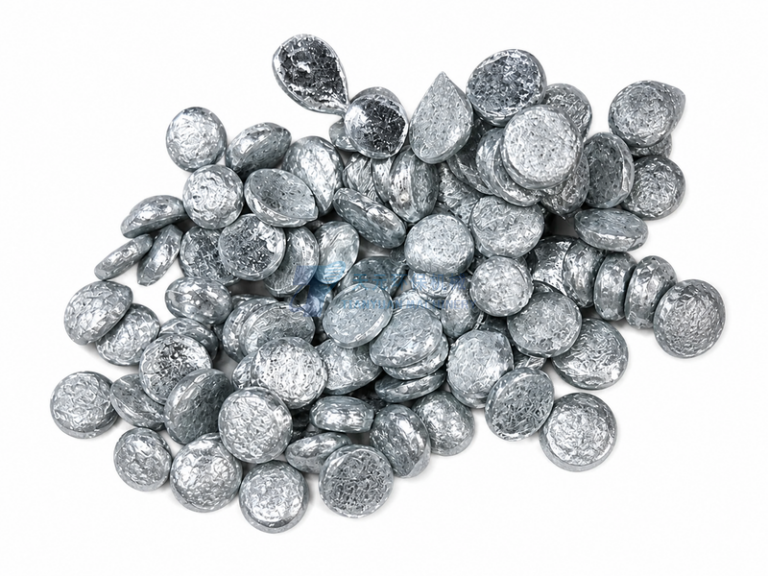
Zinc Beans
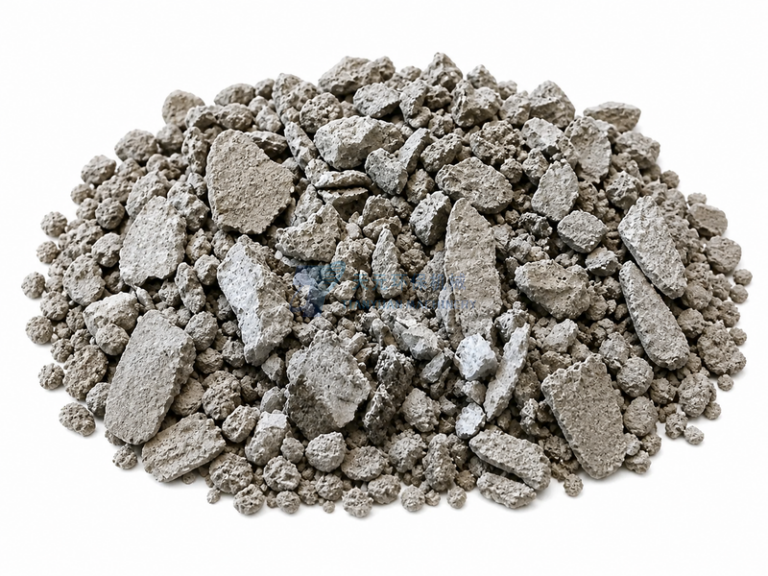
Zinc slag
Combine pretreatment, processing, classification, collection, and testing according to the material and target requirements.
Verify material type, grade, source, impurities, and target powder specifications
Determine cutting, crushing, screening, or drying requirements based on feed size and form
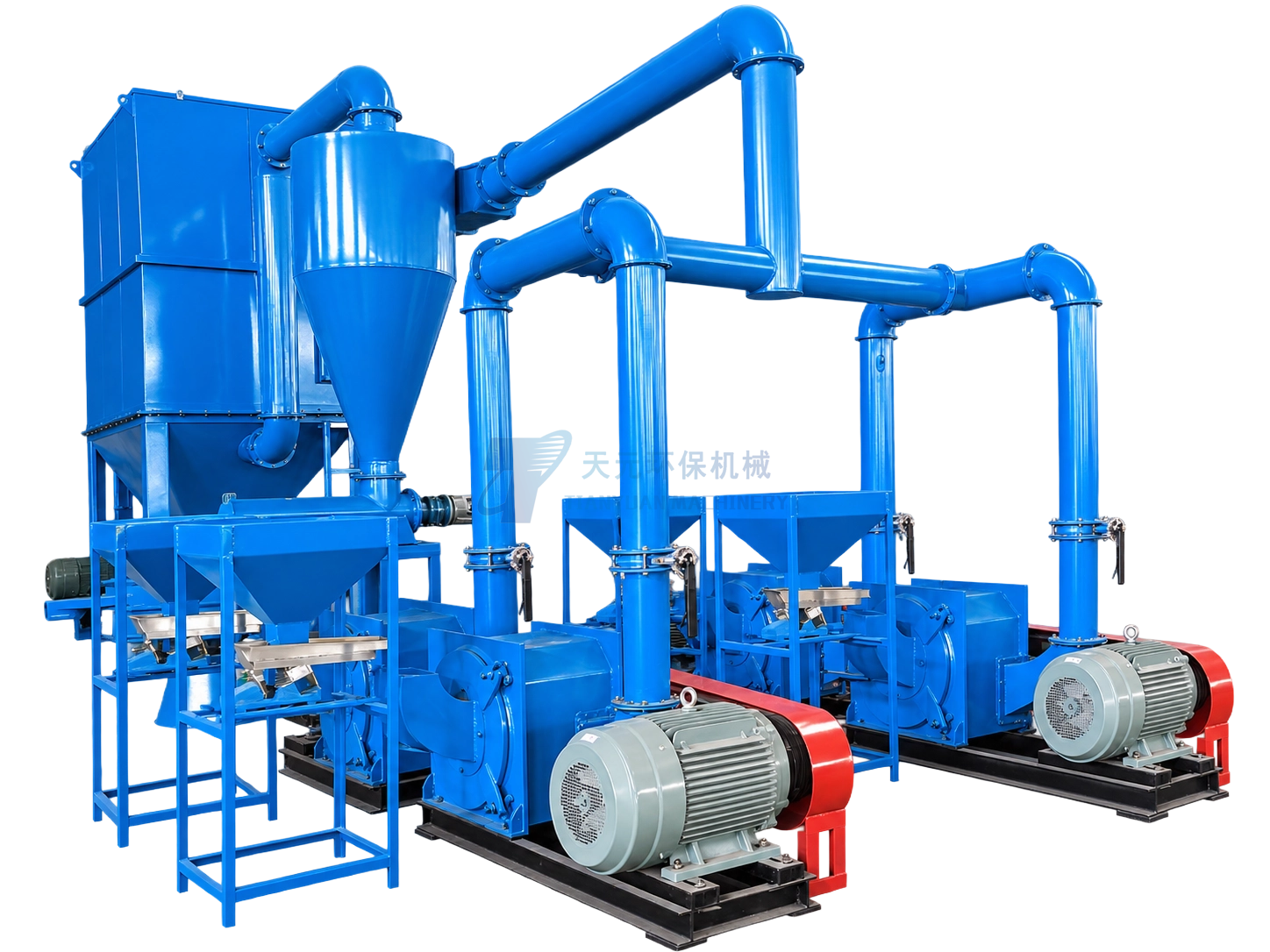
Grinding is performed using a compatible zinc powder mill; the specific configuration was determined through testing.
Configure screening, conveying, dust collection, and material collection systems based on target particle size
Verify particle size distribution, purity, particle shape, production output, and operational stability
Before-and-after comparison
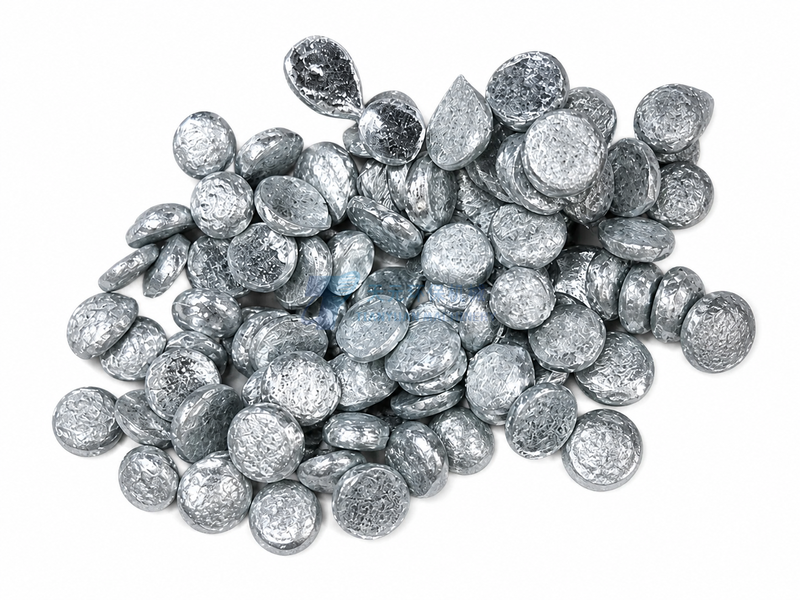
Actual results must be confirmed through representative sample testing.
Share the material form, feed size, moisture, target fineness and required capacity so we can evaluate equipment suitability.