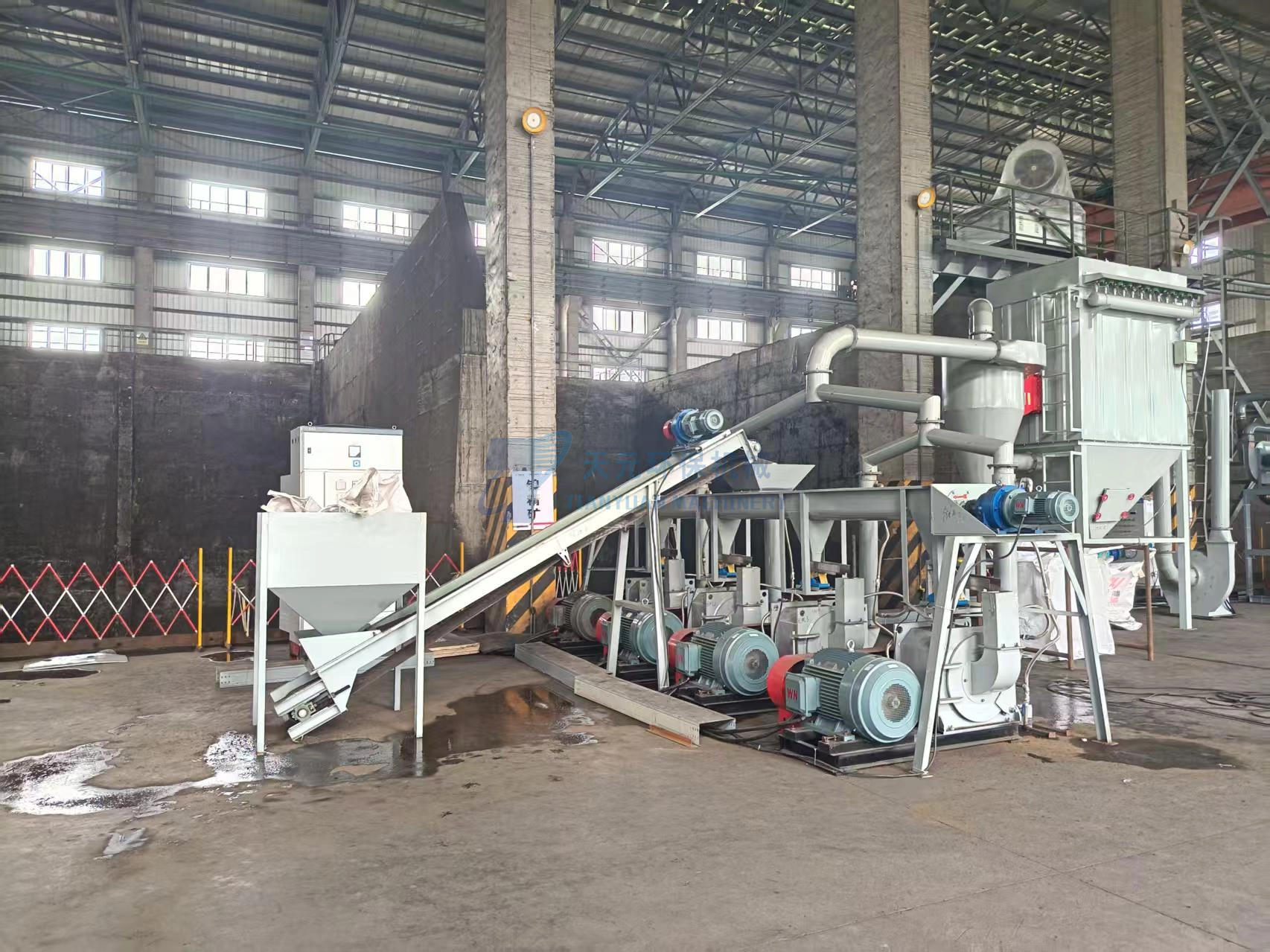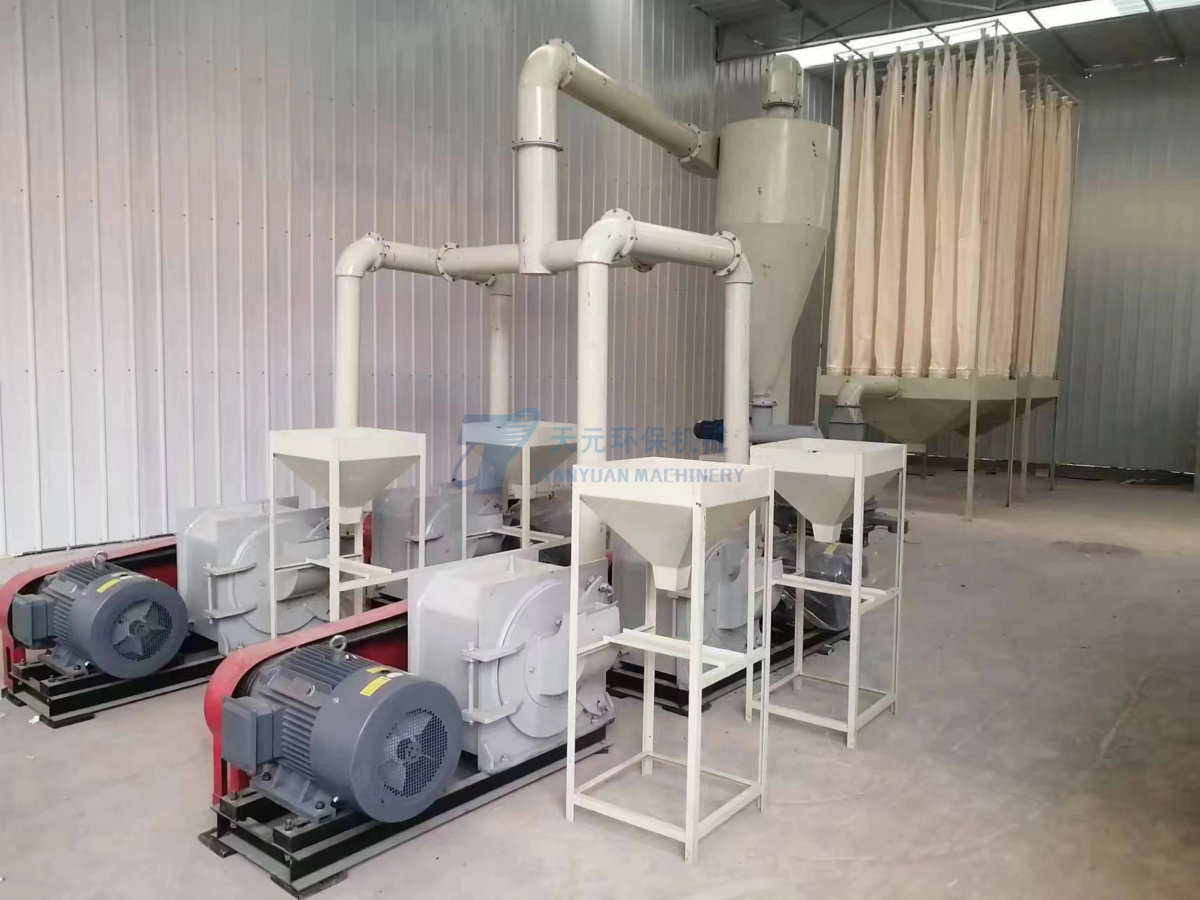
Evaluate First, Then Choose a Model
At the same time, verify the properties of the raw materials, the feed condition, the target powder specifications, and the on-site conditions.
Based on raw materials such as copper pellets, copper shavings, and copper slag that meet the feed requirements, and taking into account the target particle size distribution, purity, particle shape, production capacity, and safety requirements, determine whether the copper powder mill and associated process are suitable.
Request a Solution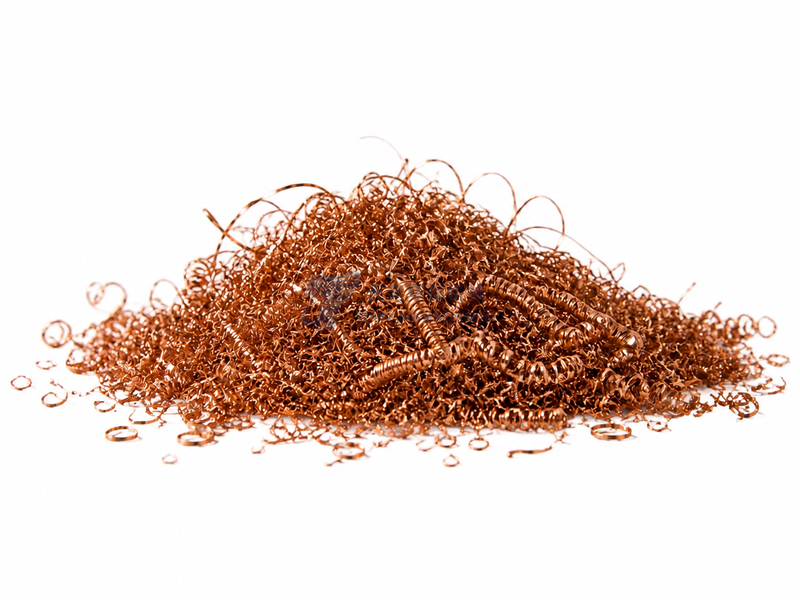
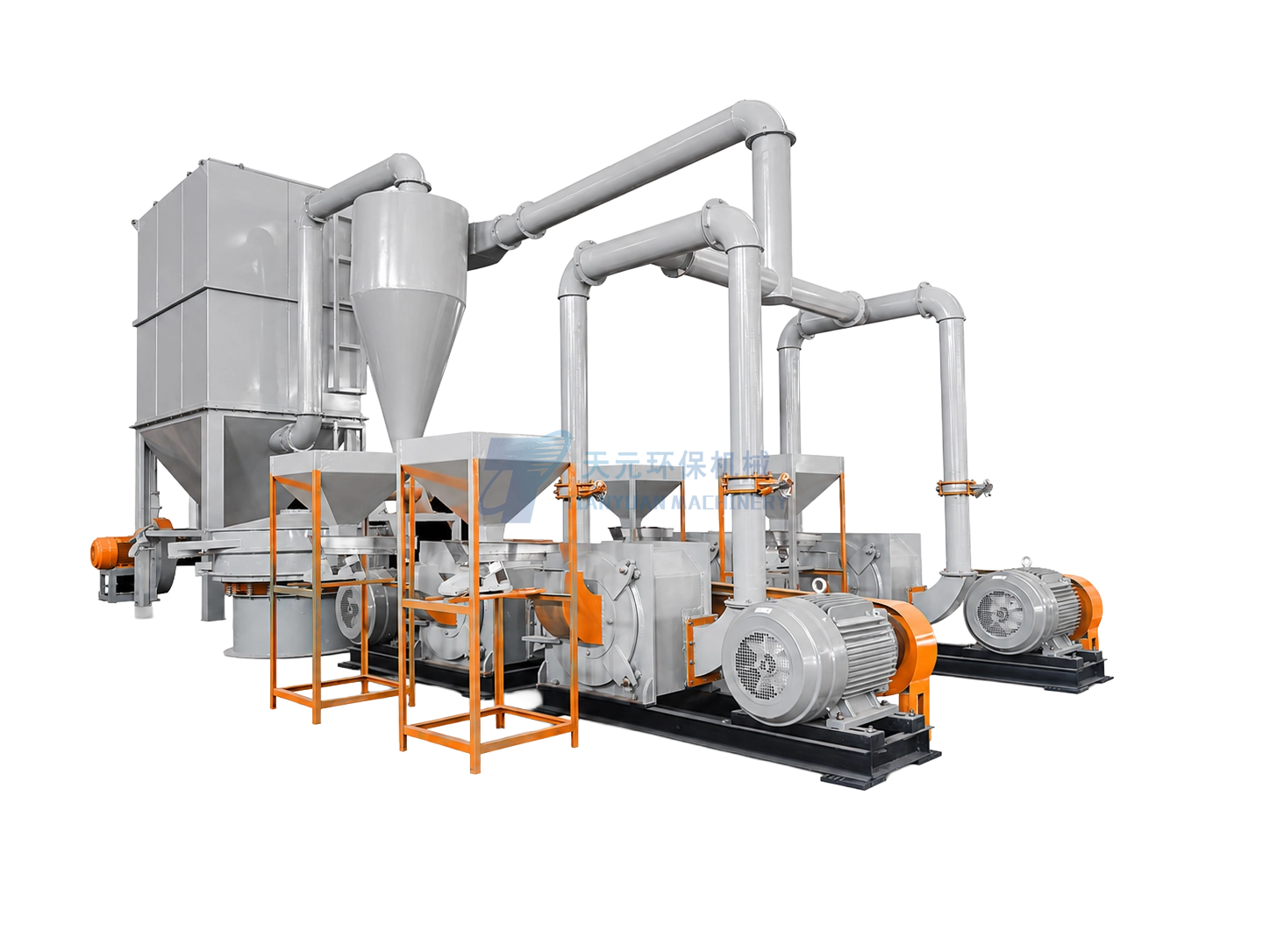
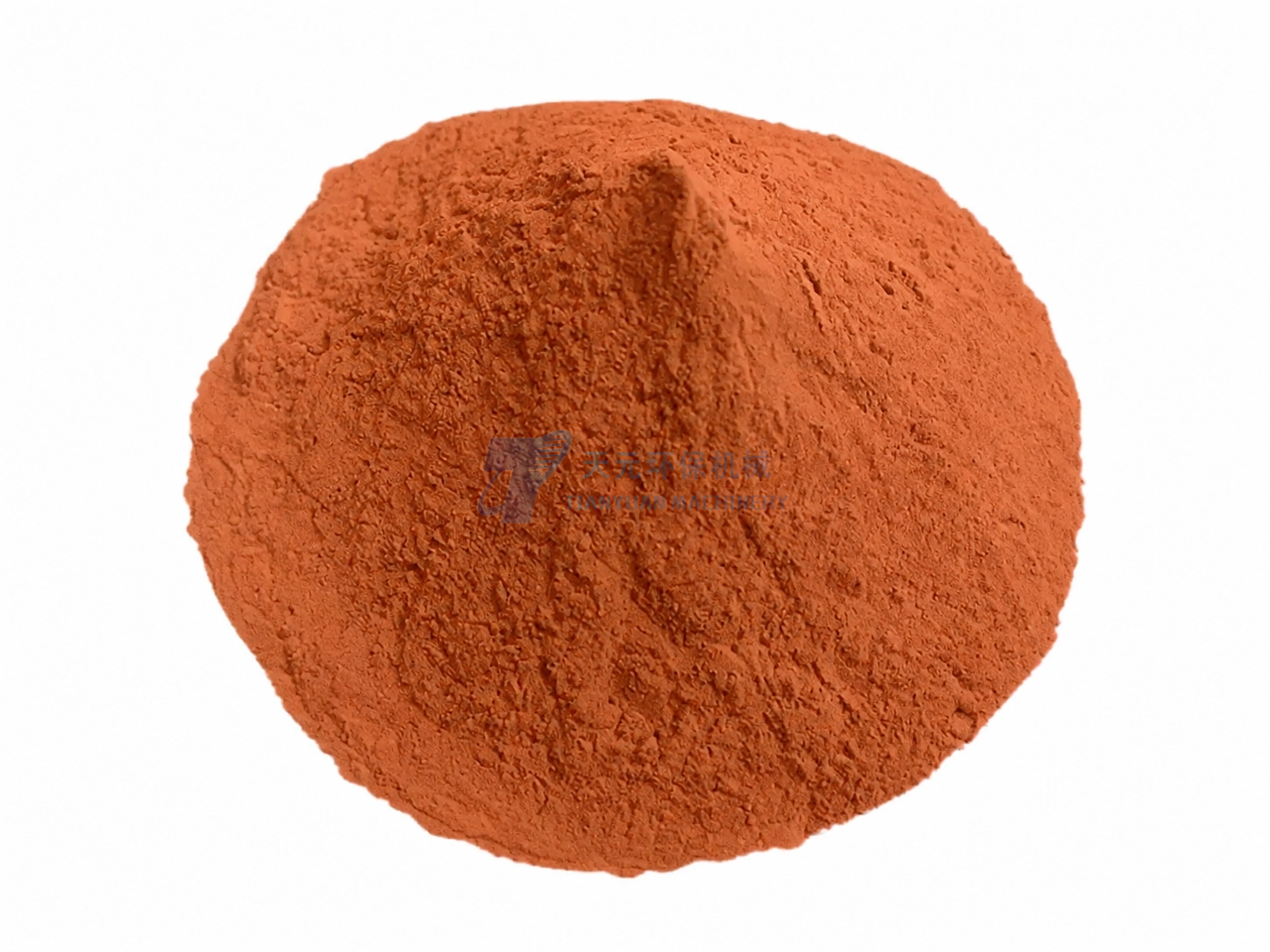
This solution is designed to provide customers with efficient, reliable, and customized solutions for evaluating copper powder grinding and processing technologies, focusing on scientific planning and equipment selection for the entire process—including grinding, classification, and dust removal—of copper powder and non-ferrous metal raw materials.
1. Processing Requirements and Suitable Raw Materials:
The solution evaluates requirements for finished product fineness, output, and particle size distribution based on raw material characteristics such as copper shavings, copper powder, copper slag, and copper granules, and it considers moisture content, hardness, and explosion-proof and anti-oxidation measures.
2. Featured Processes and Equipment:
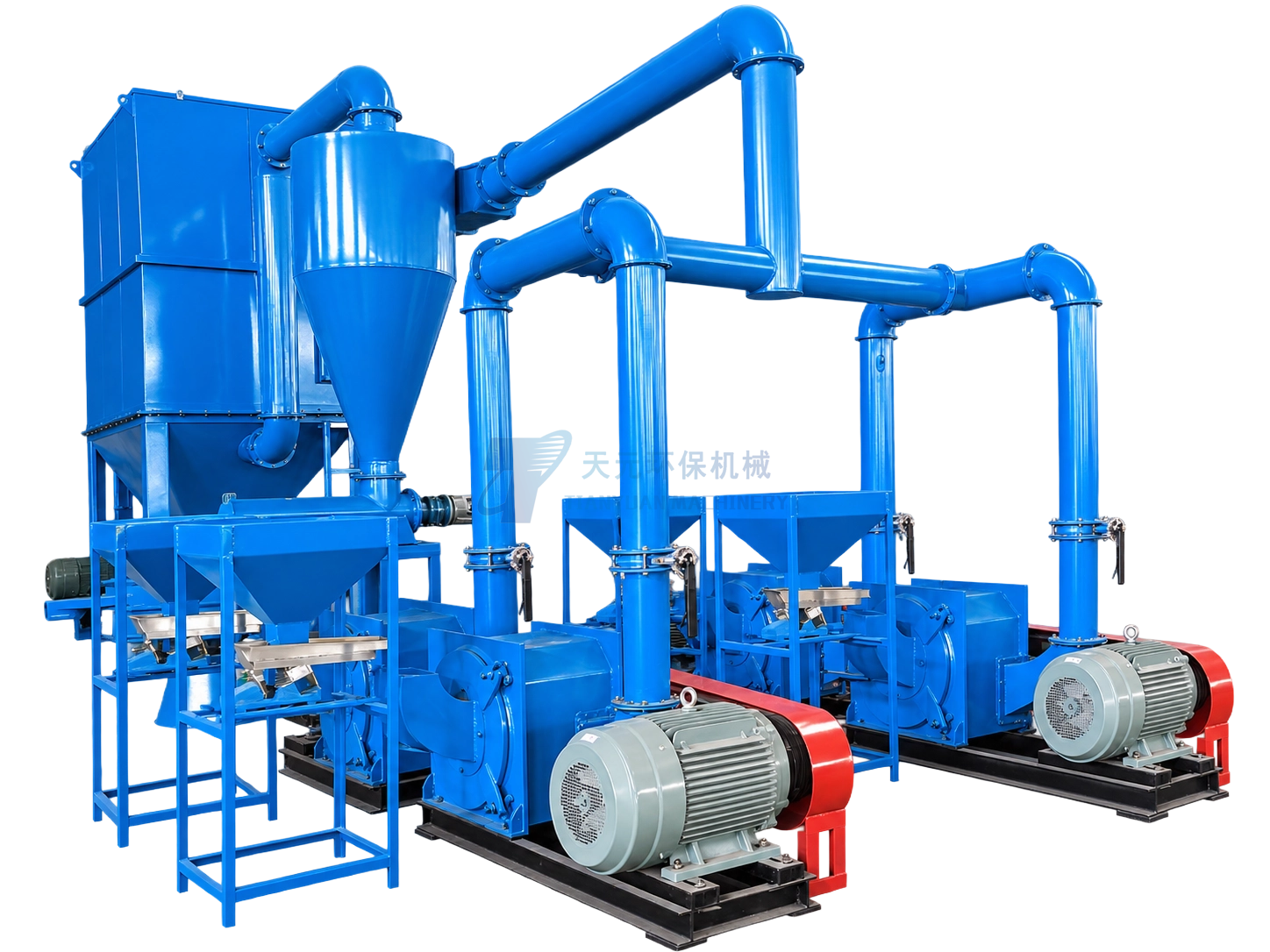
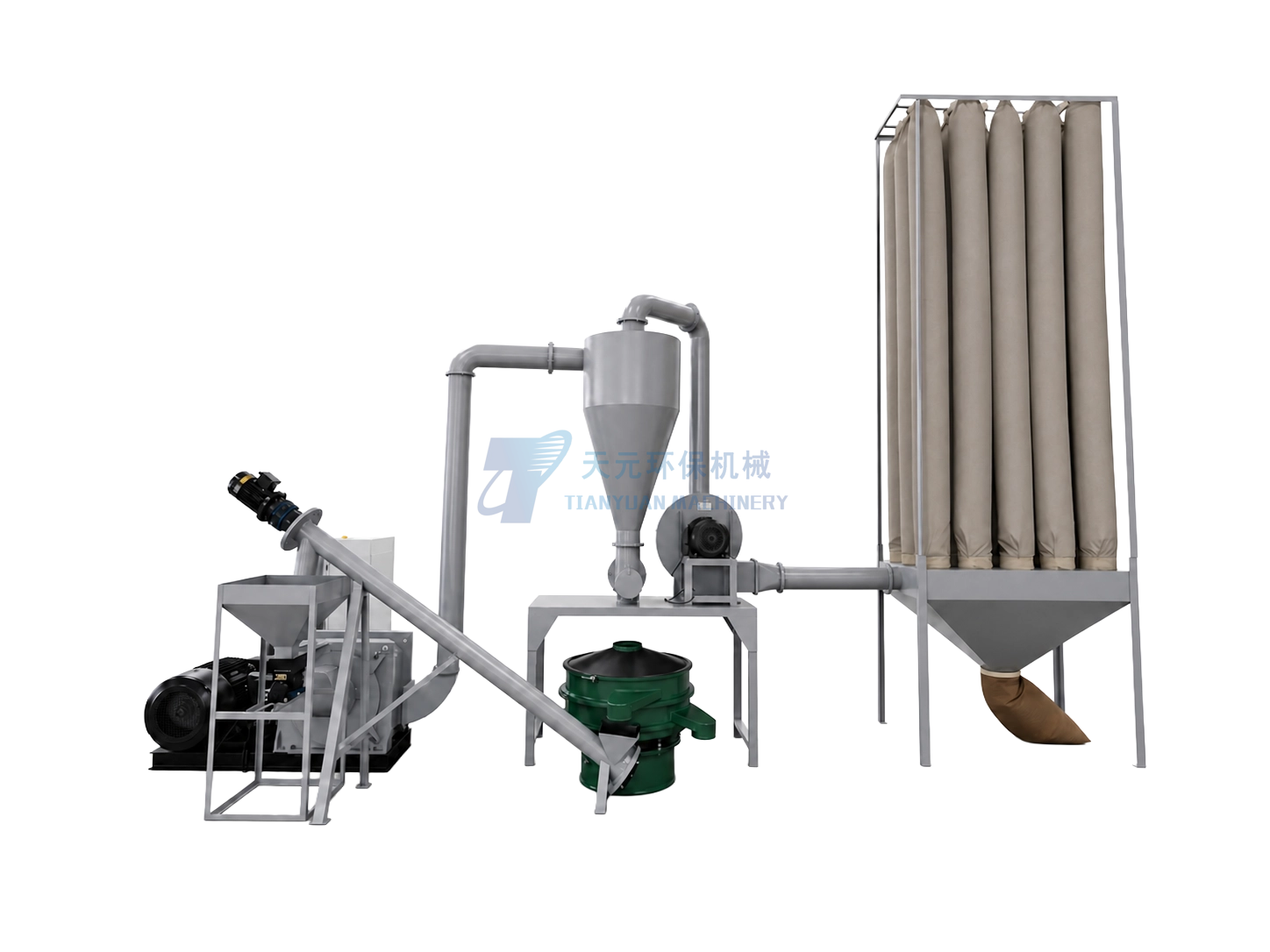
The process features a highly efficient and seamless workflow: raw material verification and disaggregation → pretreatment → mechanical grinding → classification and collection → finished product packaging. The core equipment recommended is the TYJSMF500 Metal Powder Grinding Mill (configured for copper powder processing). This equipment features high efficiency, uniform particle size, easy maintenance, and explosion-proof and environmentally friendly design, which can significantly improve powder yield and finished product quality.
3. Processing Results and Comprehensive Services:
The finished products feature an excellent particle size distribution and good flowability. Our solutions not only include an optimized combination of complete equipment sets but also provide on-site surveys, design planning, benefit assessments, and full-lifecycle after-sales support, helping enterprises build high-capacity, energy-efficient, and eco-friendly powder processing production lines.
At the same time, verify the properties of the raw materials, the feed condition, the target powder specifications, and the on-site conditions.
Pre-treatment, grinding, screening, collection, and dust removal are combined according to project objectives.
Particle size, purity, particle shape, production capacity, and operational stability must be verified using representative samples.
Copper powder grinding equipment is not intended for use as grinding equipment for zinc ore, stone, or non-metallic minerals.
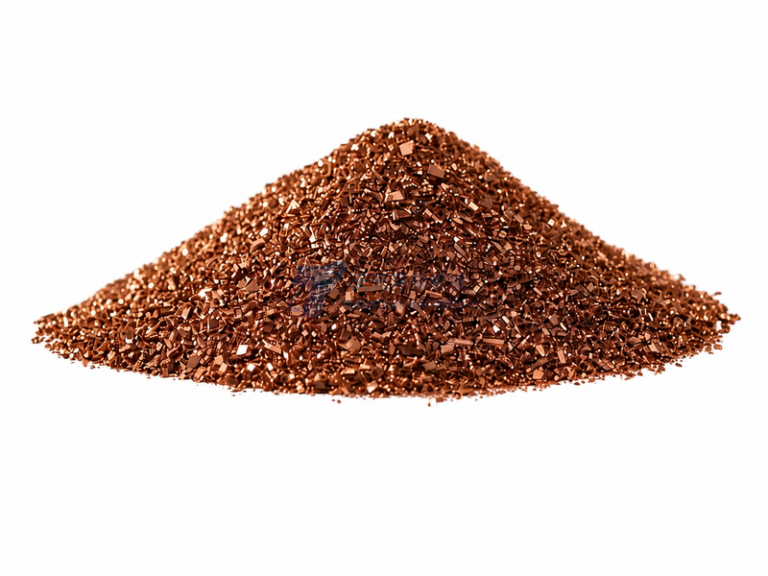
Copper scrap, crushed copper wire, and copper particles generated during the processing of copper products
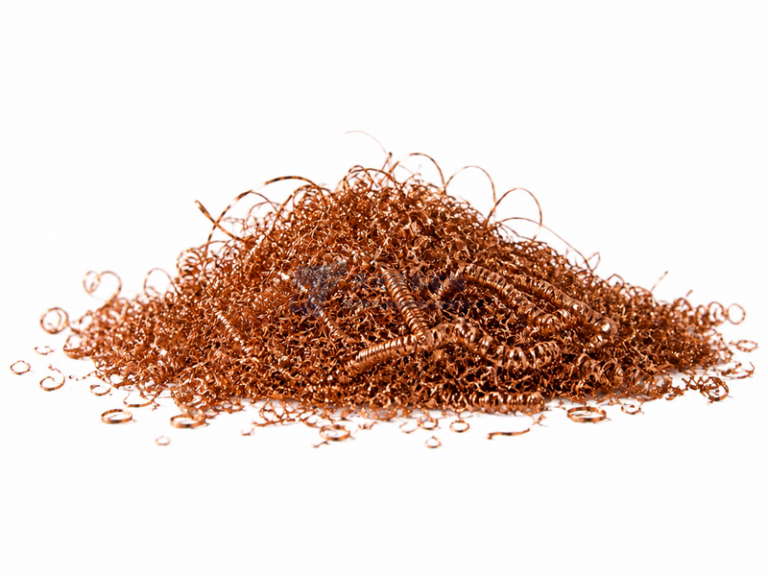
Copper shavings produced by lathe machining
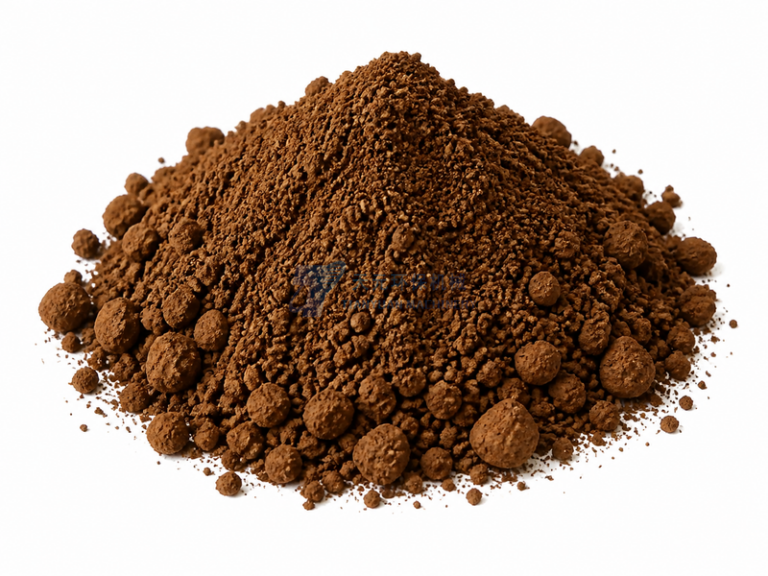
Copper slag generated during the copper processing
Combine pretreatment, processing, classification, collection, and testing according to the material and target requirements.
Verify material type, grade, source, impurities, and target powder specifications
Determine cutting, crushing, screening, or drying requirements based on feed size and form
Grinding is performed using a suitable copper powder mill; the specific configuration was determined through testing.
Configure screening, conveying, dust collection, and material collection systems based on target particle size
Verify particle size distribution, purity, particle shape, production output, and operational stability
Before-and-after comparison
Actual results must be confirmed through representative sample testing.
Share the material form, feed size, moisture, target fineness and required capacity so we can evaluate equipment suitability.