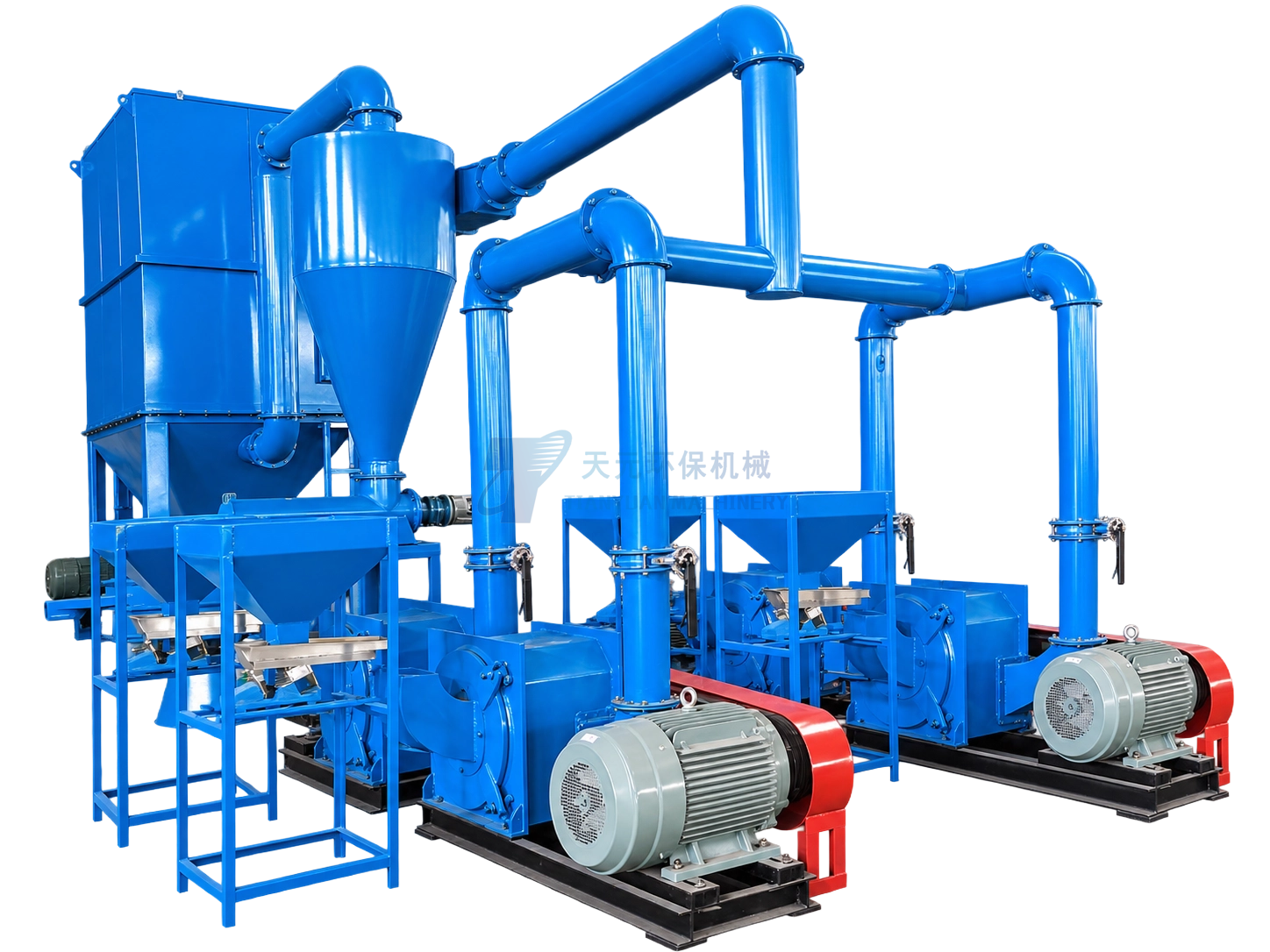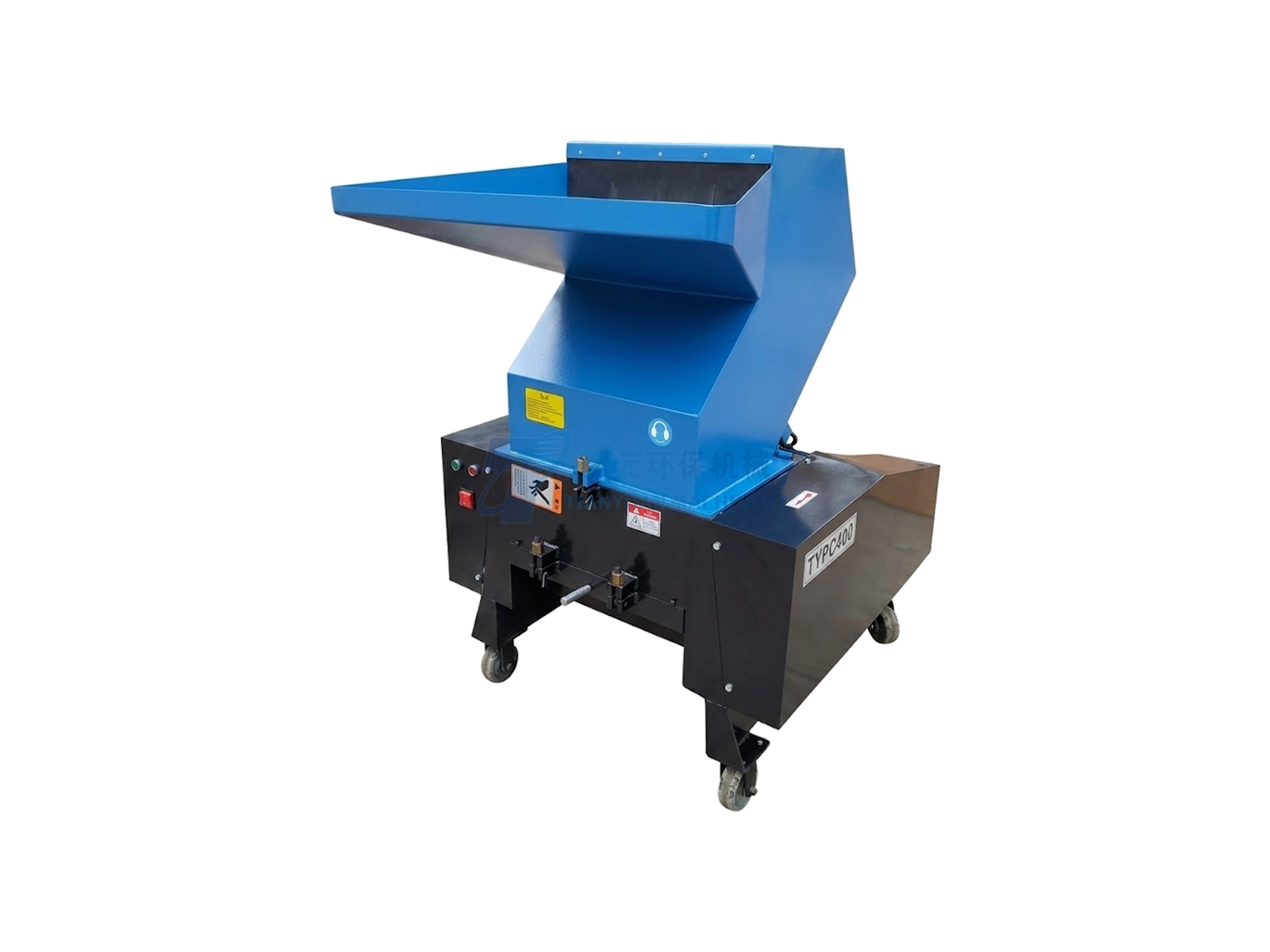
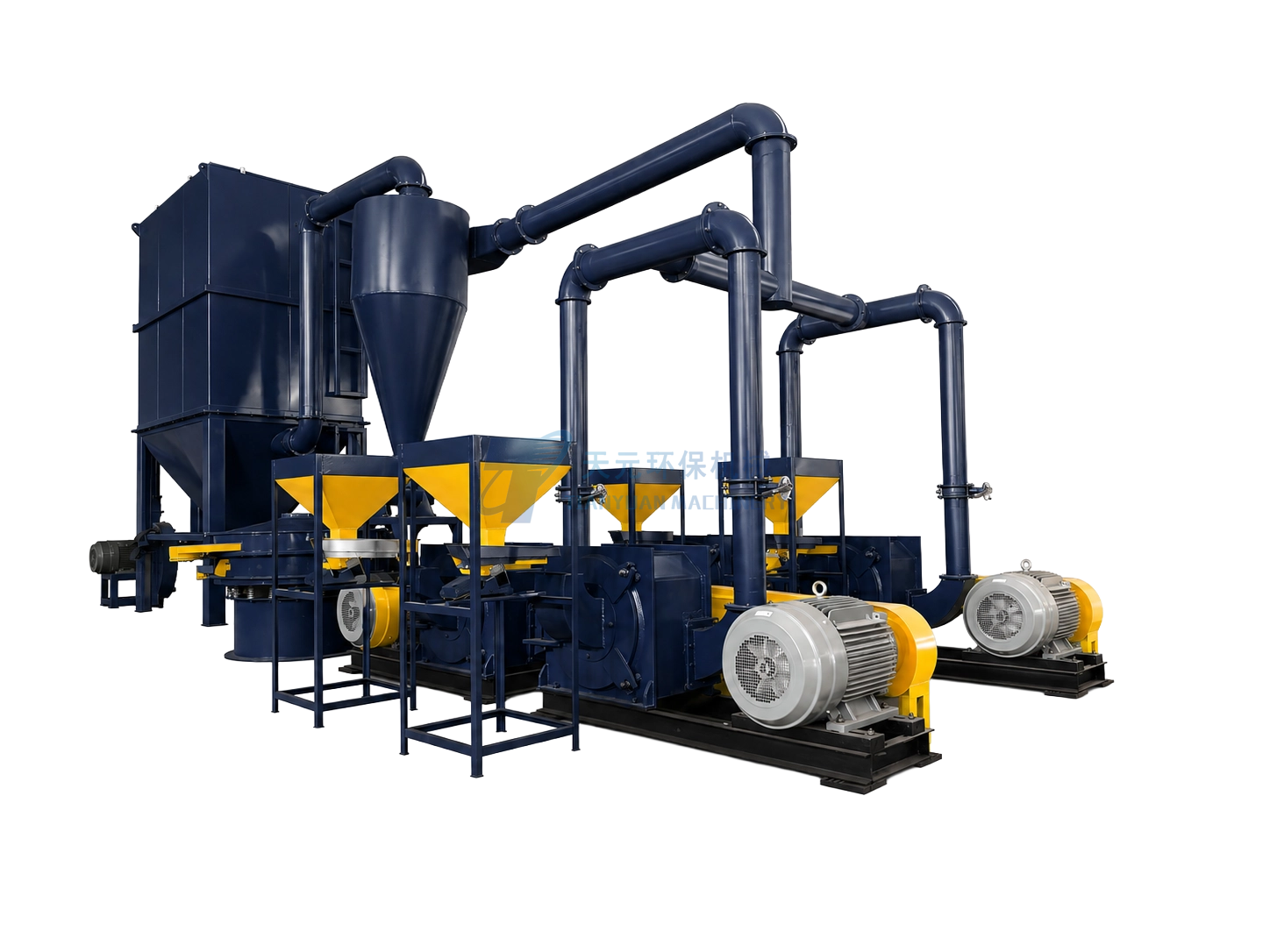
Mechanical powder production applies mechanical processing to suitable metal feedstocks, followed by classification and collection. Atomization, reduction, electrolysis and mechanical milling use different feedstocks and process conditions; they are not unconditionally interchangeable.
Compare the same powder specification
Define composition, particle-size distribution, purity, particle shape and intended use. Include preparation, milling, screening, returned material, collection and wear in the comparison. The absence of a melting stage does not by itself establish lower total energy use or cost.
Verify purity and environmental performance
Mechanical milling does not automatically guarantee surface purity, smoothness or a particular particle shape. Evaluate feed condition, wear and processing conditions through testing. Assess dust and other emissions for the actual process rather than claiming that no pollutants are produced.
Use model data and trials
The TYJSMF500 model range is 20–325 mesh and 50–500 kg/h. Confirm the operating point and downstream suitability with representative feedstock; a general description of powder production is not evidence of a particular machine’s capability.
Contact Tianyuan Machinery with your material, model and production requirements.