
Airflow Dryer
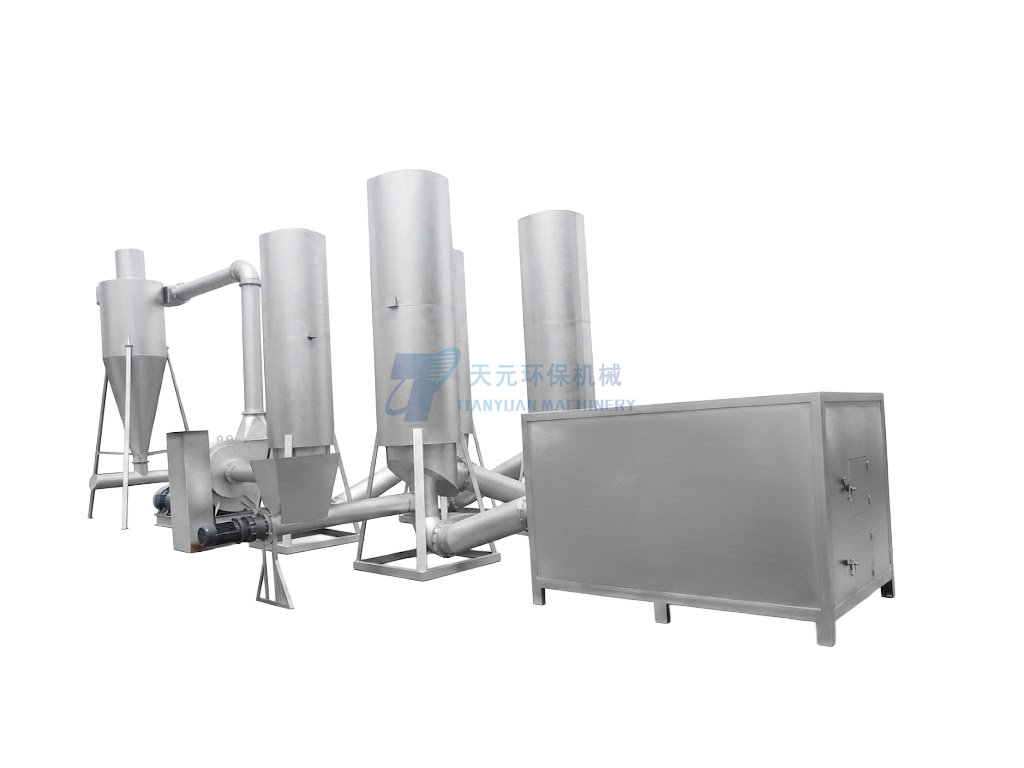
The airflow dryer continuously dries suitable small particles such as sawdust. Equipment is selected according to inlet moisture, target moisture, particle size, throughput and heat source.
Product OverviewEquipment application and scope
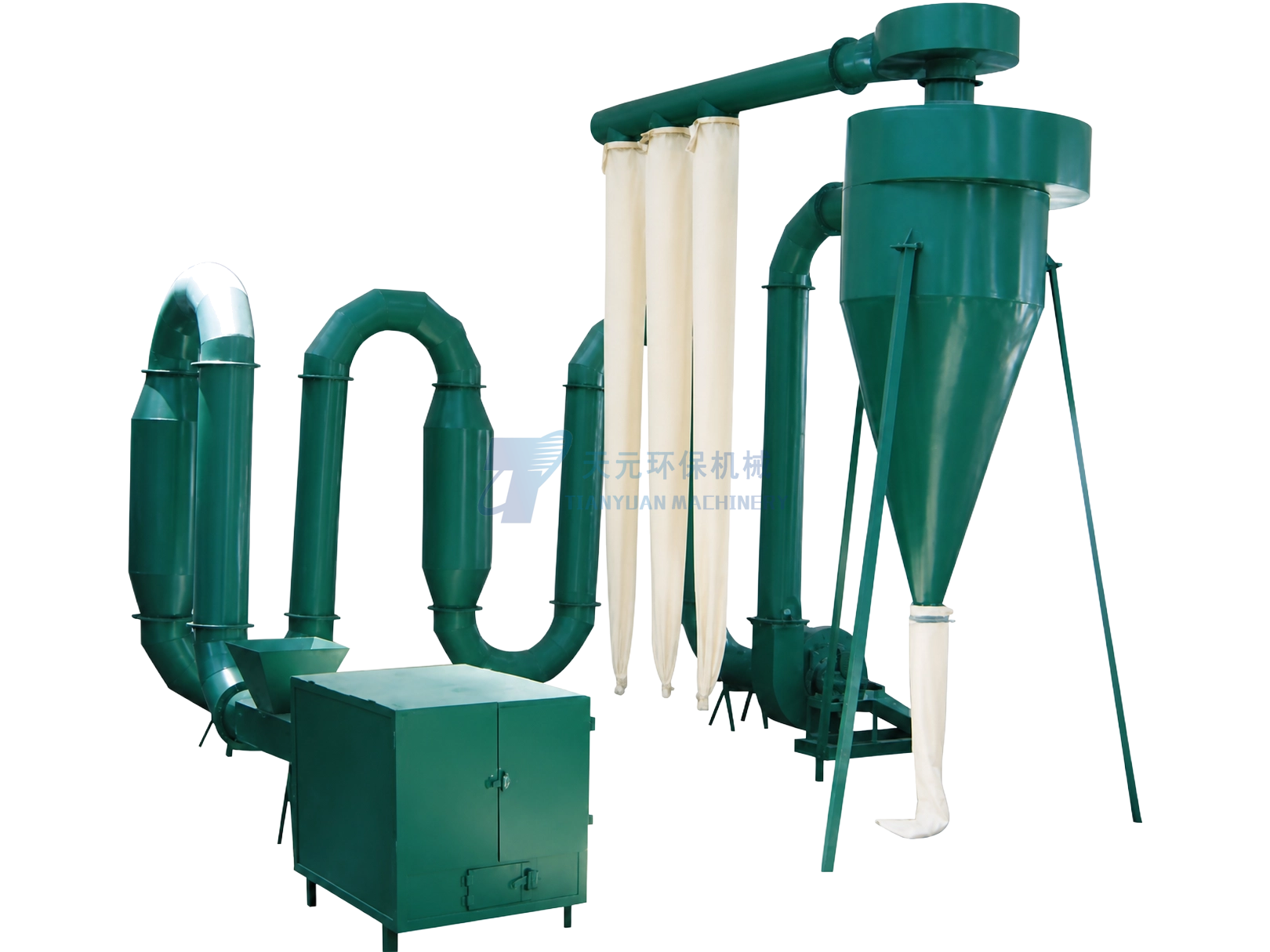
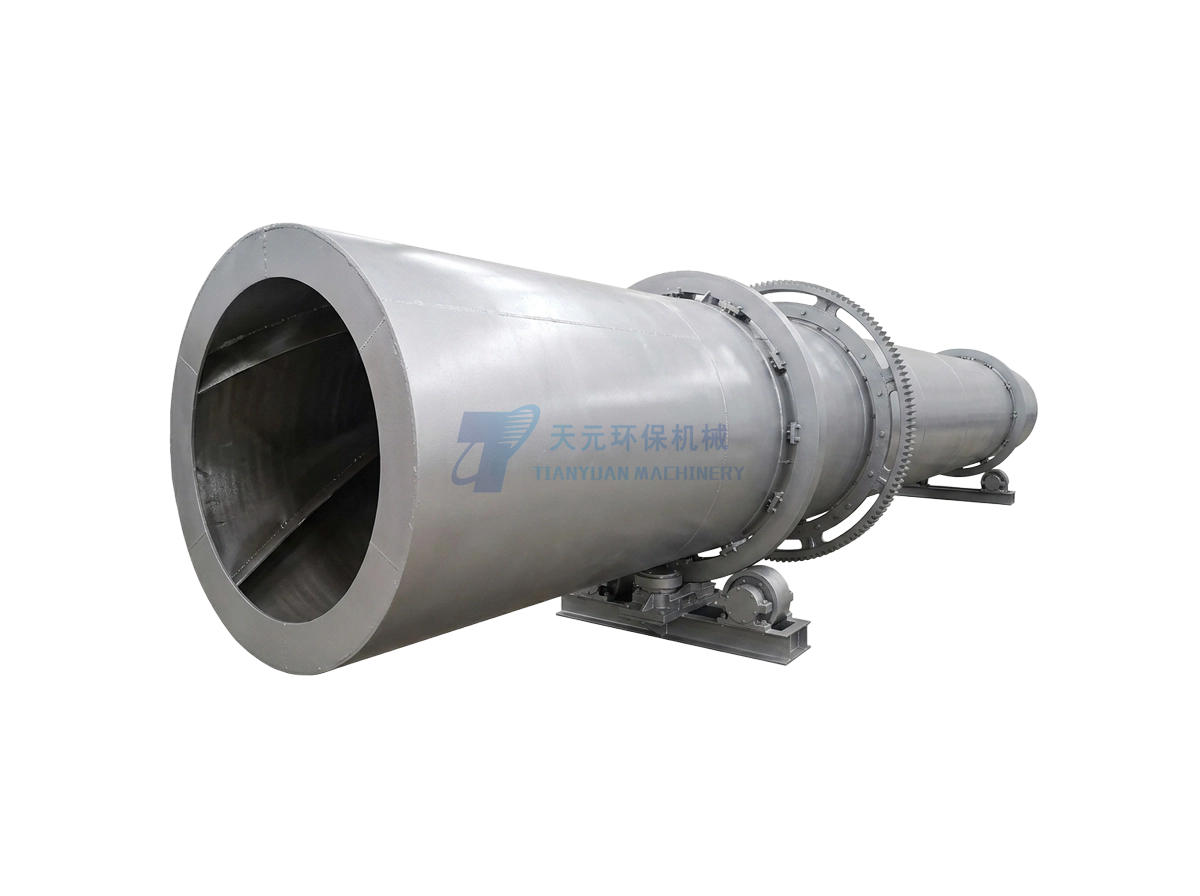
The new high-output, energy-efficient Airflow Dryer is an upgraded version of the original Airflow Dryer, featuring significant improvements in both structure and performance. It has earned high praise from customers, and, more importantly, the new Airflow Dryer can be freely reconfigured and combined to meet specific production needs.
1. The new high-output, energy-efficient Airflow Dryer features high operational efficiency and high production capacity;
2. The new high-capacity, energy-efficient Airflow Dryer features high drying capacity and can dry raw materials in a single pass;
3. The new high-output, energy-efficient Airflow Dryer features high output and low energy consumption;
4. The new high-output, energy-efficient Airflow Dryer can be assembled to fit the size of the site.
The operating principle of the new high-output, energy-efficient Airflow Dryer is similar to that of a conventional Airflow Dryer. Material is fed into the Airflow Dryer via a feed conveyor. As it comes into contact with the hot airflow, the moisture in the material evaporates rapidly. Through this cyclic process, the material is dried to the required specifications and discharged through the outlet.
Core FeaturesEquipment characteristics
- Multiple heat sources available (natural gas, coal, biomass fuel, wood, diesel, etc.)
- Variable-frequency speed control for the screw conveyor ensures uniform feed rates.
- Flexible installation, small footprint
- Solutions can be customized based on the specific characteristics of the material.
Applications & Project AssessmentSuitability criteria
This information supports a preliminary suitability assessment. Final configuration must be confirmed from the material condition, target specifications, and site conditions.
- Feed Condition
- Granular
- Feed Size
- ≤5㎜
- Moisture Content of Finished Products
- ≤15%
- Capacity
- 400-2000kg/h
Potentially Suitable Applications
Materials
- Wood-based materials such as sawdust, wood chips, bamboo chips, and rice husks
Industries
- Wood Powder Processing, Biomass Pellet Processing, Mugwort Processing, Traditional Chinese Medicinal Materials Processing
Conditions Requiring Further Review
- High moisture content
- Sugary and Sticky
- Flammable and Explosive
- Heat-sensitive materials
For unusual materials or operating conditions, contact us for a project-specific assessment and equipment selection.
Working Principle & ComponentsProcess and construction
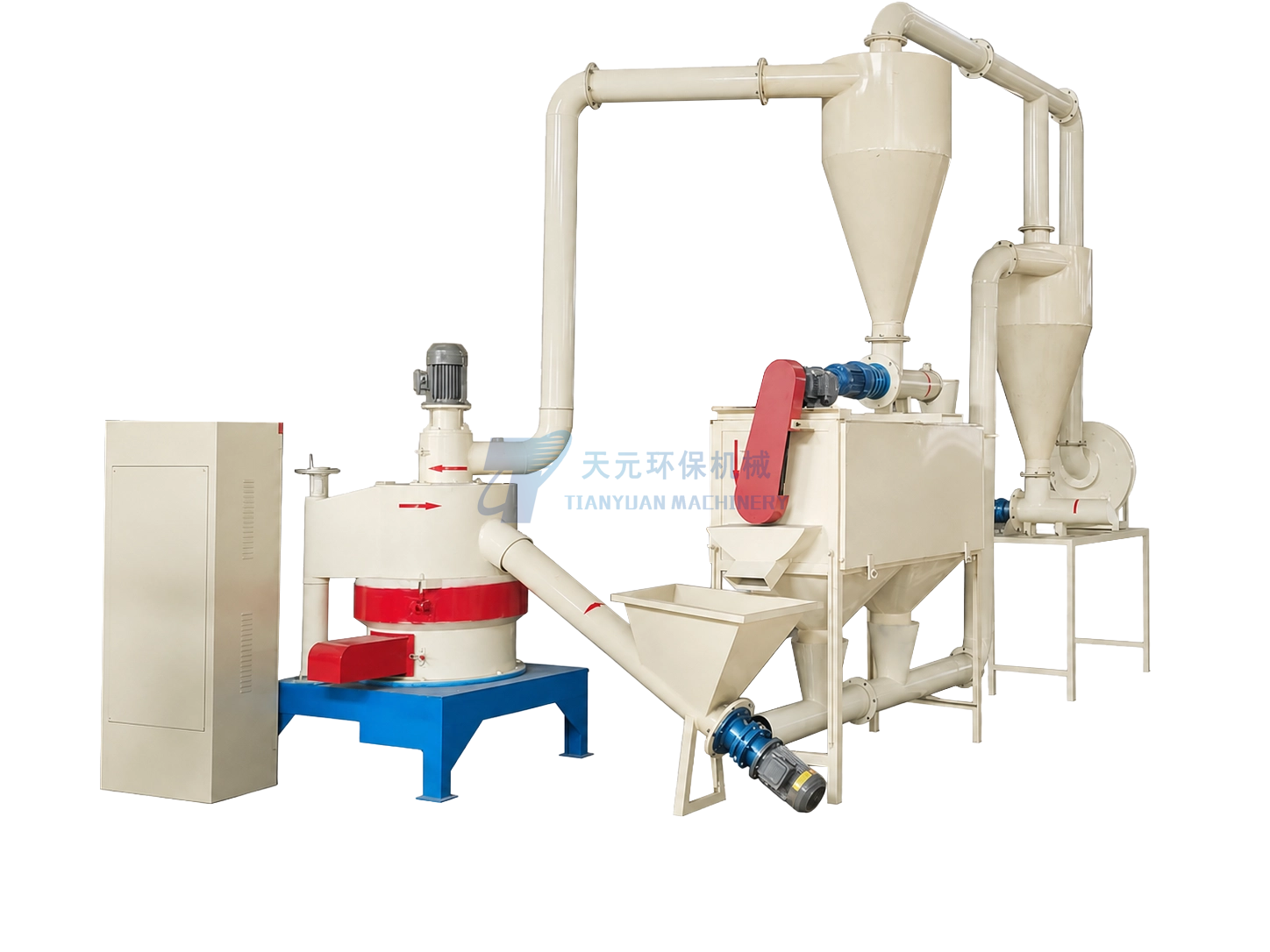
A negative-pressure fan draws in hot air, and a screw conveyor feeds material into the sawdust dryer, where the material is thoroughly mixed and heated within the drying drum to evaporate the moisture.
The material is then separated from the air by a cyclone separator, yielding the dried material; the exhaust air can be routed to a separate dust collector to ensure dust-free operation.
Working Principle
- 1
Feed
Material is fed via a conveyor
- 2
Heated Air Inlet
Heat generated by the introduced heat source
- 3
Blending and Drying
Thorough mixing of material and hot air
- 4
Final Product
Obtaining the dried finished product
- 5
Dust Removal
Configure dust collectors according to specific requirements
Equipment Components
- 1
Hot-Air Furnace
- 2
Feed Screw Conveyor
- 3
Dryers
- 4
Fans
- 5
Cyclone Separator
- 6
Discharge Screw
Equipment components and supporting systems must be confirmed for the actual material, process target, and site conditions.
Technical ParametersSpecifications
| Equipment Models | TYHG450 | TYHG650 | TYHG950 |
|---|---|---|---|
| Dryer Diameter (mm) | 450 | 650 | 950 |
| Feed Particle Size (mm) | ≤5 | ≤5 | ≤5 |
| Feed Moisture Content | 20%~45% | 20%~45% | 20%~45% |
| Moisture content of the output material | 10% | 10% | 10% |
| Moisture Evaporation Rate (kg/h) | 200-400 | 300-600 | 400-800 |
| Installed Power (kW) | 5.65 | 17.2 | 34.4 |
| Installation Dimensions (m) | 6*1.5*4 | 8*1.5*4 | 15*2.5*5 |
Actual configuration and capacity depend on the material, feed condition, target fineness, and site conditions. Refer to the confirmed project documents.
Tell Us About Your Material and Processing Requirements
Share the material form, feed size, moisture, target fineness and required capacity so we can evaluate equipment suitability.
- Material Suitability Review
- Equipment Recommendations
- Process Design Support
- Supporting System Configuration
- Prompt Quotation
- International Service