Editorial history: Originally published December 30, 2022. Reviewed and expanded September 1, 2026. This general checklist supplements, but does not replace, the operating manual, site-specific risk assessment, employee training, or applicable local safety requirements.
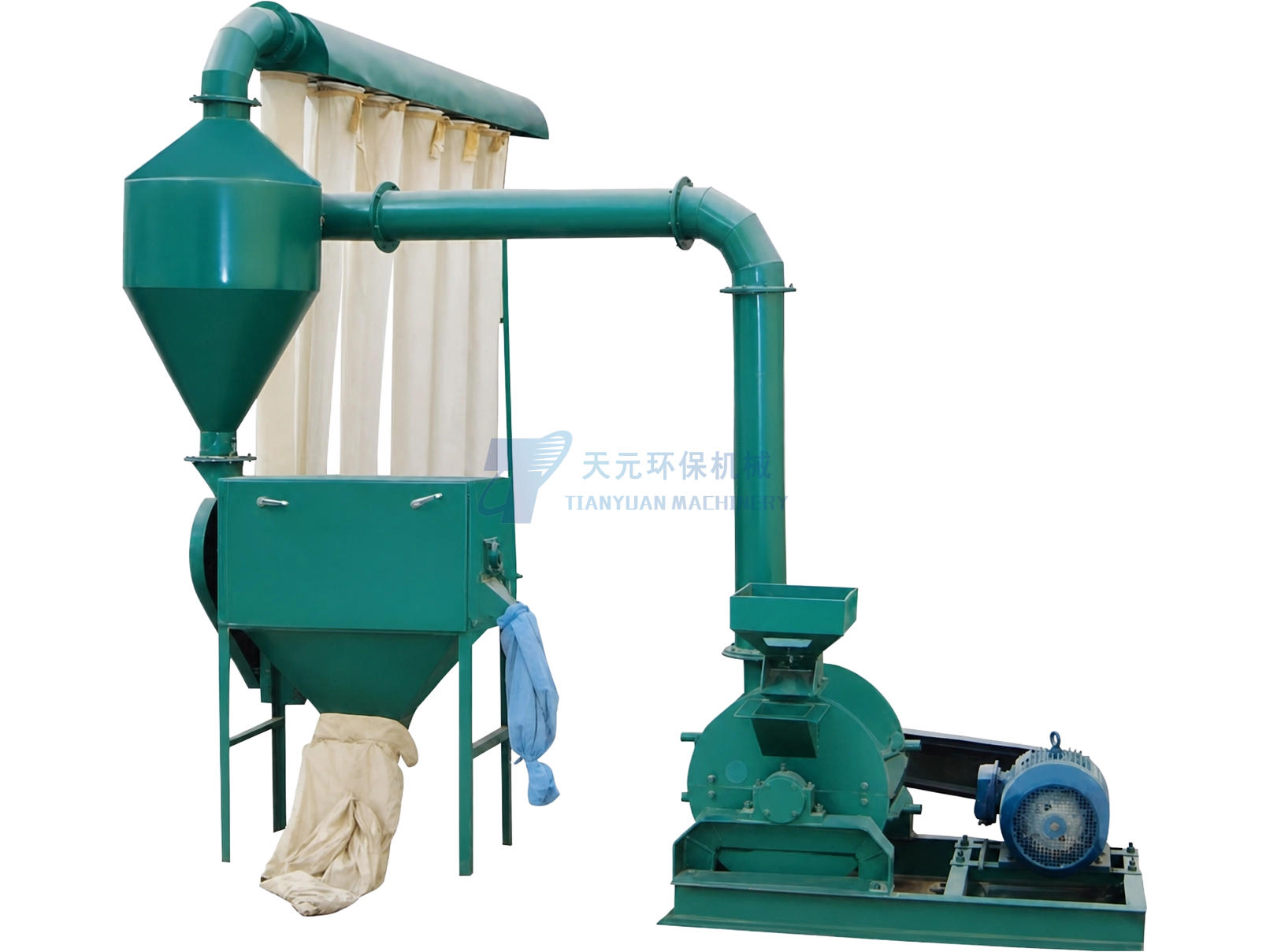
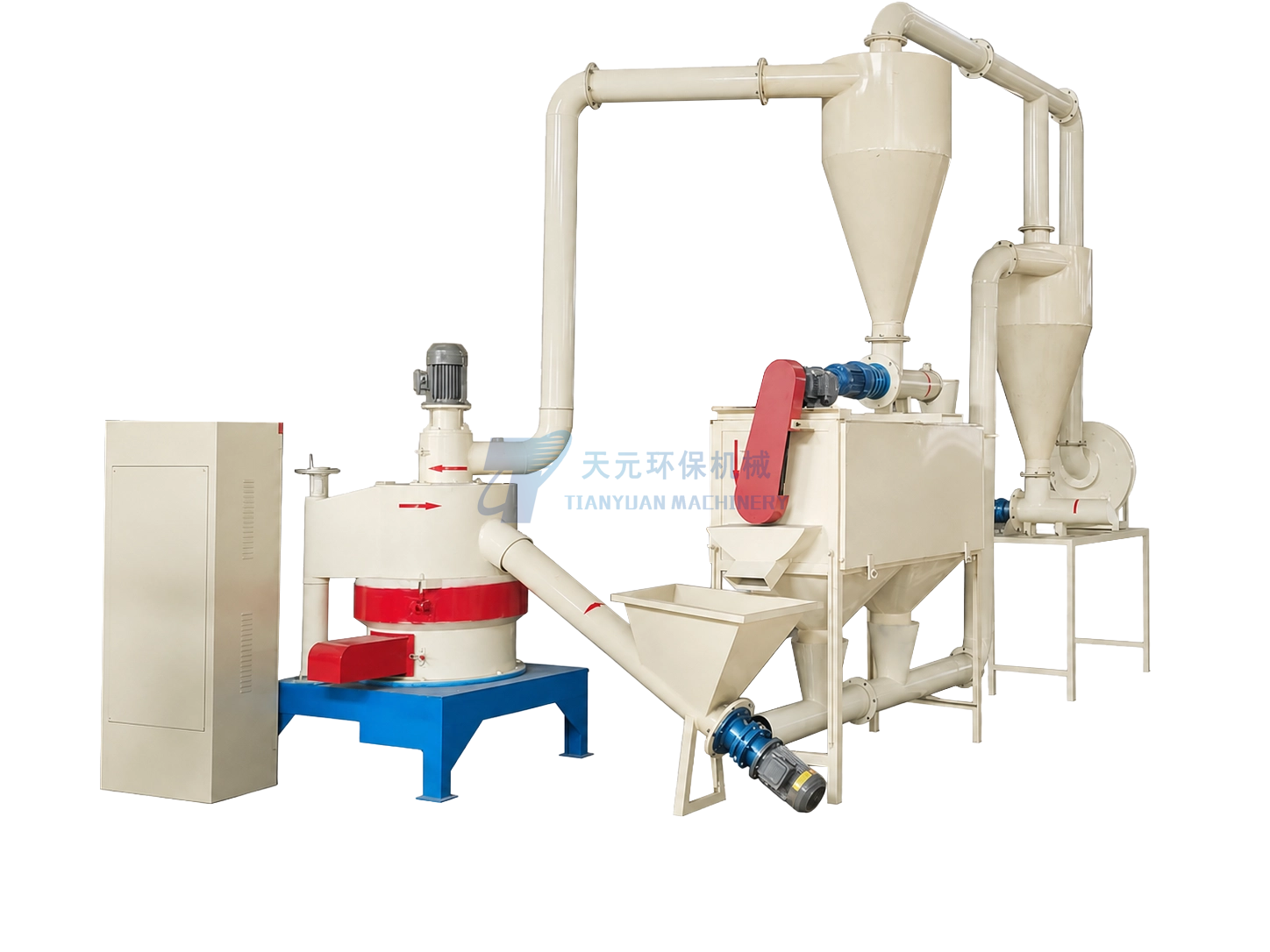
A wood powder mill combines high-speed moving parts, electrical power, material feeding, screening, conveying, and dust collection. Safe and stable operation therefore depends on checking the complete system rather than only the grinding chamber. Only trained and authorized personnel should operate, inspect, clean, or maintain the equipment.
Before Starting the Wood Powder Mill
- Confirm the feed material. Verify the material type, feed form, feed size, moisture content, target fineness, and required capacity. Remove tramp metal, stones, and other foreign objects. Do not process an unknown material until its suitability and hazards have been evaluated.
- Inspect guards and safety devices. Confirm that covers, guards, access panels, interlocks, emergency-stop devices, and transmission guards are installed and functioning. Never operate the machine with a guard removed or bypassed.
- Check the equipment while it is safely isolated. Inspect accessible fasteners, cutters, screens, bearings, couplings, ducts, and connections for looseness, wear, damage, or blockage. Cutter adjustment, sharpening, replacement, and balancing should be performed only by qualified personnel.
- Prepare the dust-control system. Check the ducts, cyclone, dust collector, discharge points, and seals. Remove accumulated dust using a suitable vacuum or another cleaning method that does not disperse dust into the air.
- Clear the work area. Keep floors, platforms, and access routes clean and dry. Remove unnecessary tools and combustible materials from the operating area.
- Follow the model-specific startup sequence. Start the mill, fan, dust collector, conveyors, screens, and feeders only in the order specified in the equipment manual and electrical-control design.
Checks During Operation
- Feed material steadily and remain within the confirmed feed-size, moisture, and capacity range. Do not force material into the inlet or intentionally overload the machine.
- Keep all guards, covers, and access panels closed. Never reach into a feeding, discharge, screening, or grinding area while any part may still be moving.
- Monitor abnormal noise, impact sounds, vibration, bearing temperature, motor current, dust leakage, reduced airflow, unstable discharge, and changes in finished-powder fineness.
- Stop the equipment if smoke, sparks, burning odor, excessive heat, severe vibration, a damaged guard, a blocked discharge, or another abnormal condition appears.
- Do not leave running equipment unattended. After shutdown, remember that the rotor and other components may continue coasting.
Clearing Jams, Cleaning, and Maintenance
Before a person opens the machine, clears a jam, cleans internal components, changes a screen, adjusts a cutter, or performs maintenance, the equipment must be isolated from hazardous energy in accordance with the site’s lockout/tagout procedure.
- Stop feeding and shut down the equipment using the approved procedure.
- Isolate electrical, mechanical, pneumatic, hydraulic, and any other relevant energy sources.
- Apply lockout/tagout devices, release or restrain stored energy, and verify that isolation is effective.
- Wait until the rotor, fan, screen, conveyors, and other moving components have completely stopped.
- Use appropriate tools and the manufacturer’s method to remove a blockage. Never use hands to clear material from a hazardous area.
- Before restarting, reinstall all guards, inspect the work area, account for tools and personnel, and notify affected workers.
Routine Maintenance Items
- Inspect and tighten fasteners at the intervals specified for the model.
- Check cutters, liners, screens, bearings, seals, belts, couplings, and conveying components for wear or damage.
- Lubricate bearings and transmission components using the lubricant, quantity, and interval stated in the maintenance manual.
- Keep the dust collector, cyclone, ducts, air inlets, motors, and electrical enclosures clean. Electrical work should be performed only by qualified personnel after safe isolation.
- Record inspection dates, abnormal conditions, corrective actions, and replaced wear parts. Repeated problems should be investigated rather than treated as normal wear.
Wood Dust and Fire Prevention
Fine wood dust can present health, fire, and explosion hazards. Effective point-of-source dust collection and regular housekeeping are important controls. Prevent dust accumulation on equipment, motors, electrical enclosures, beams, and other elevated surfaces. Keep ignition sources away from dusty areas, and do not process materials contaminated with unknown chemicals, hot particles, or reactive substances without a specific technical and safety assessment.
Information to Provide When Requesting Technical Support
Provide the equipment model and serial number, material name, feed form and size, moisture content, target fineness in mesh, required capacity, operating current, observed symptoms, and clear photographs or video. This information helps distinguish a material-selection issue from a wear-part, airflow, electrical, feeding, or mechanical problem.