Define the feedstock
Confirm grade, source, feed size, moisture, oil and contaminants.
Assess aluminum granules, chips or foil against the required particle size, purity and capacity. Equipment selection must also account for combustible-dust hazards, temperature rise and site conditions.
Request a Solution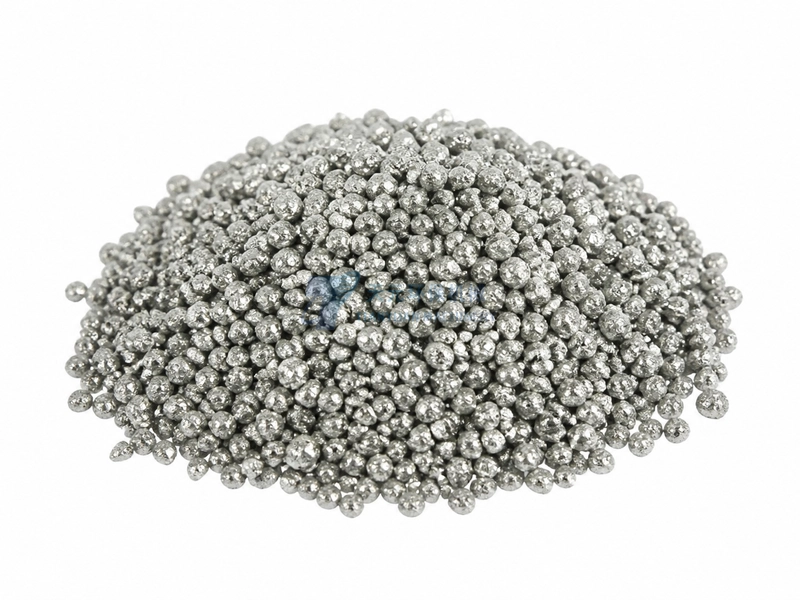
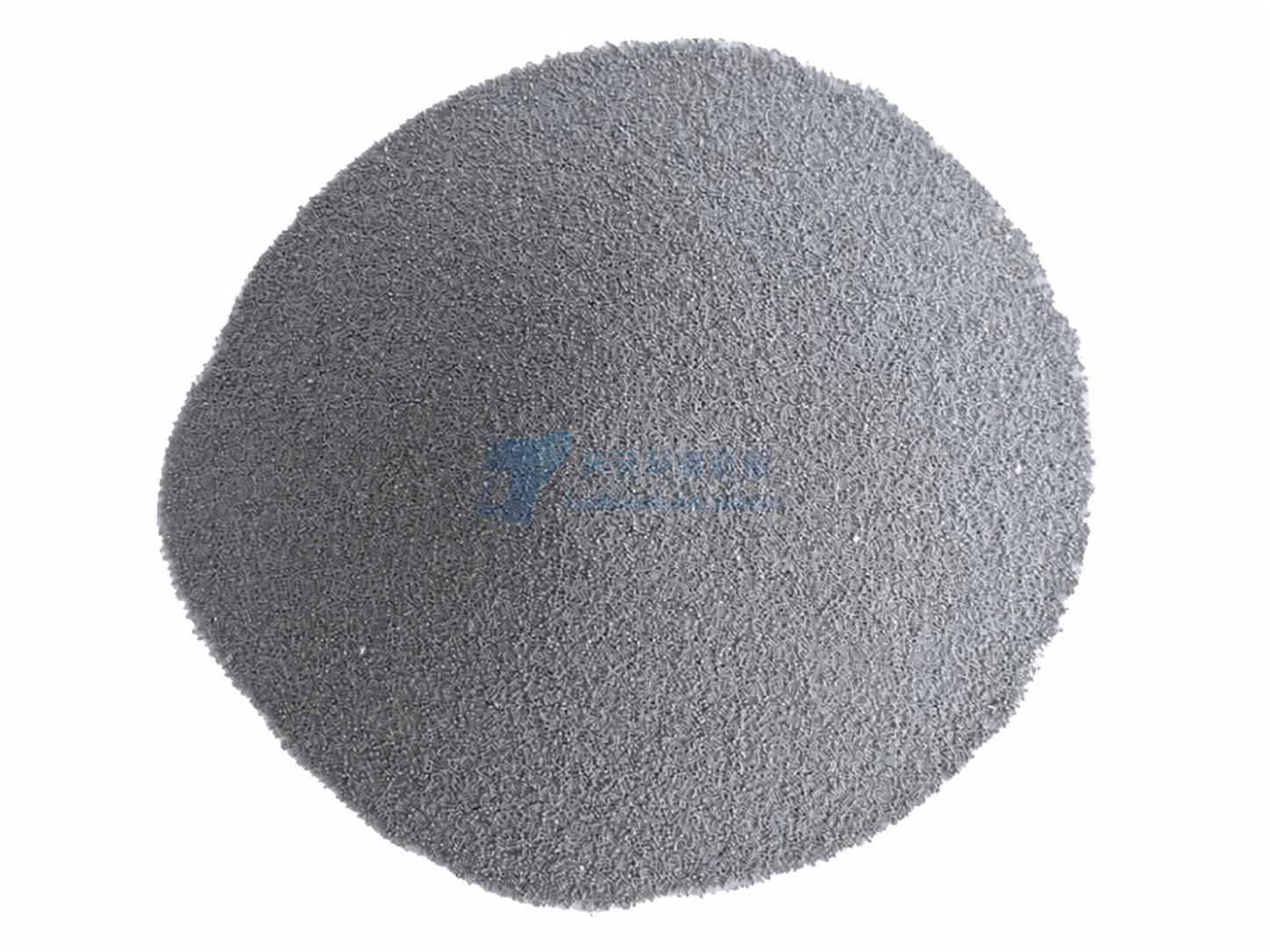
Before selecting equipment, confirm the alloy grade, source, feed form, moisture, oil and other contaminants, together with the required particle size, purity, morphology and capacity. Different aluminum feedstocks respond differently to mechanical milling; representative sample testing is required.
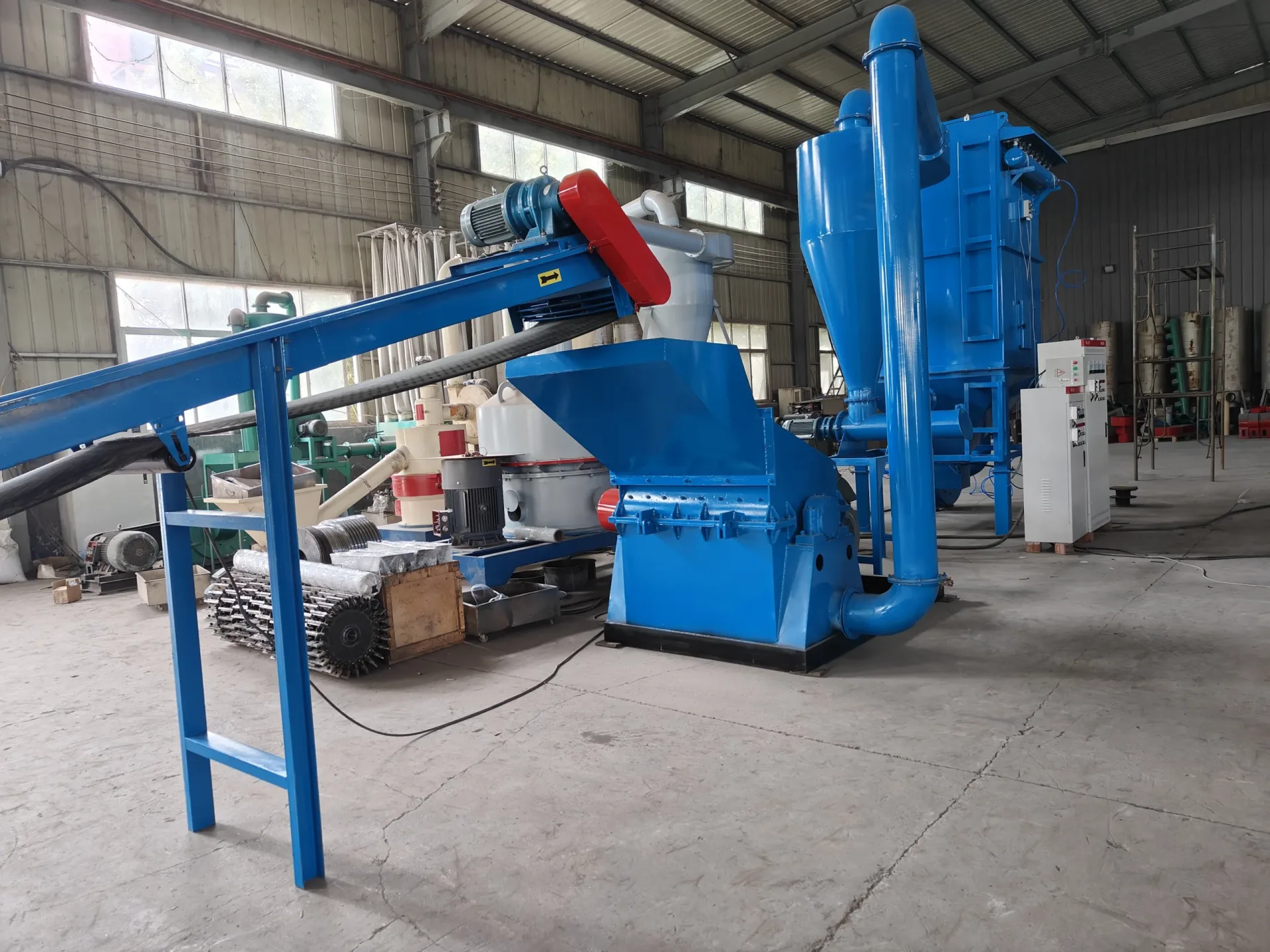
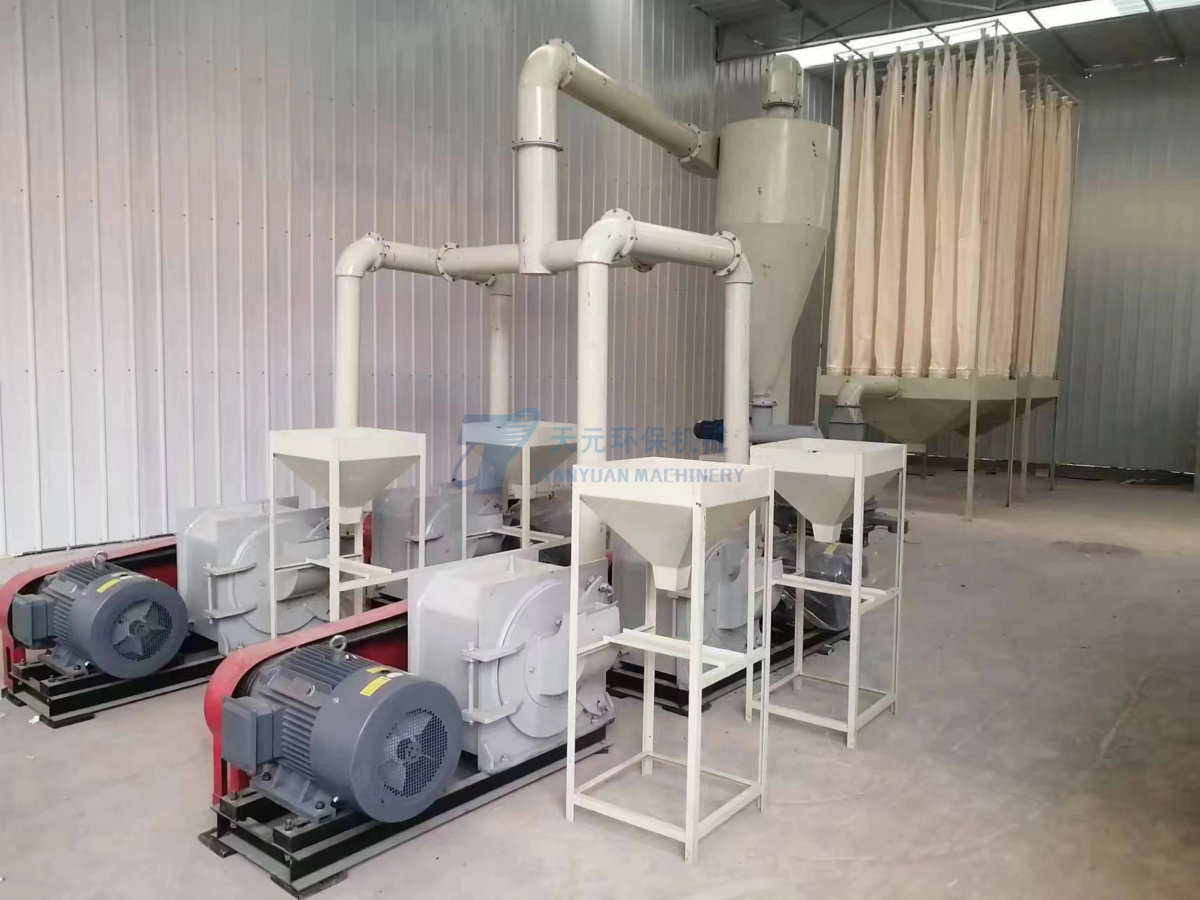
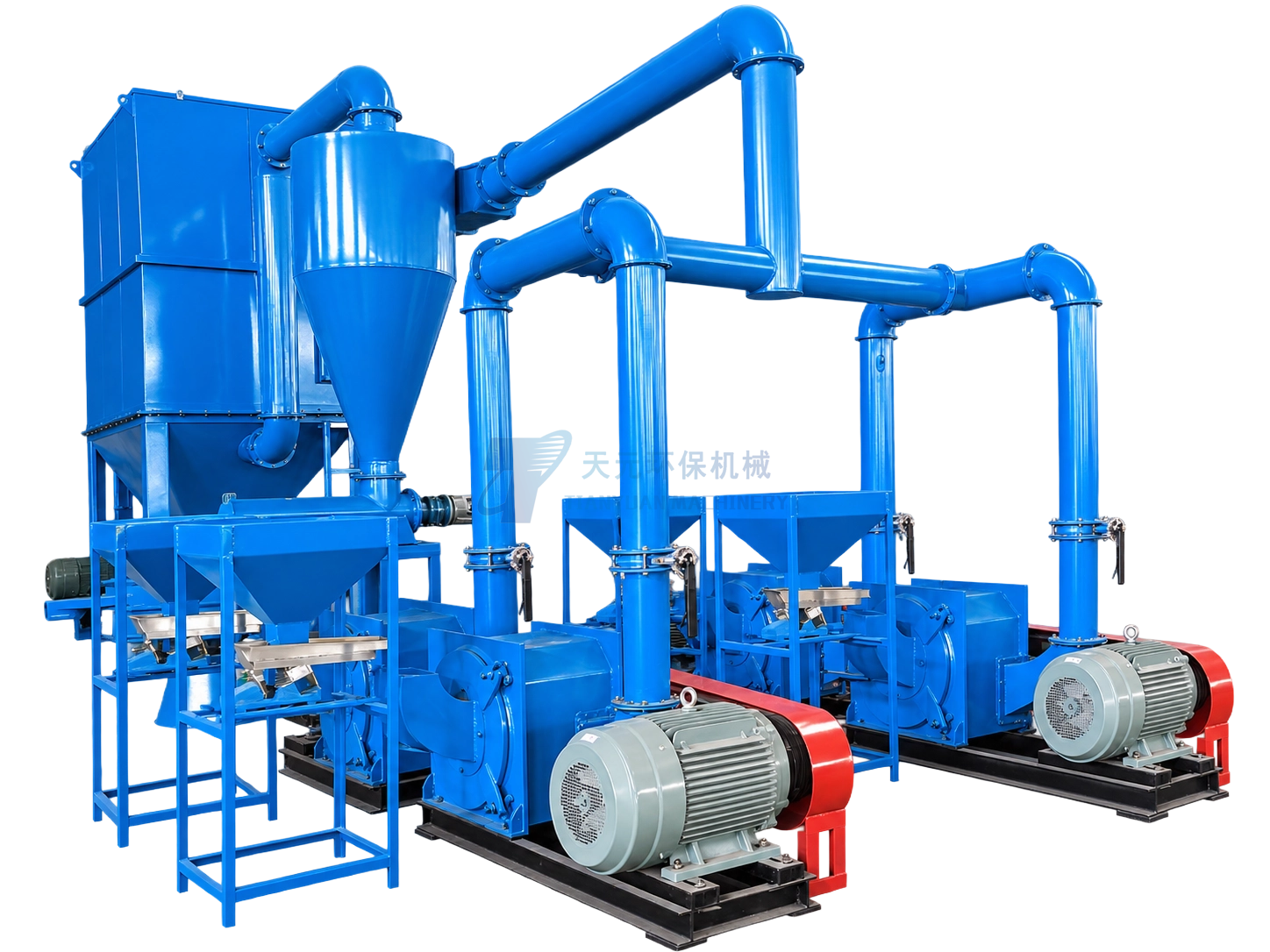
The TYJSMF500 metal powder mill can be evaluated for an aluminum project. Feed preparation, grinding, classification and collection are selected according to test results and a site-specific safety assessment. This equipment is not intended for aluminum ore, stone or non-metallic minerals.
The finished material shown is a 30-mesh aluminum powder example, not a guarantee for every feedstock. Particle size distribution, throughput and operating conditions must be verified. Flowability, output and energy savings are not guaranteed in advance. Equipment and site safety provisions must be considered together.
Confirm grade, source, feed size, moisture, oil and contaminants.
Select pretreatment, milling, screening, collection and dust control for the project.
Verify particle size, purity, morphology, capacity and operating stability with representative samples.
Not intended for aluminum ore, stone or non-metallic mineral grinding.
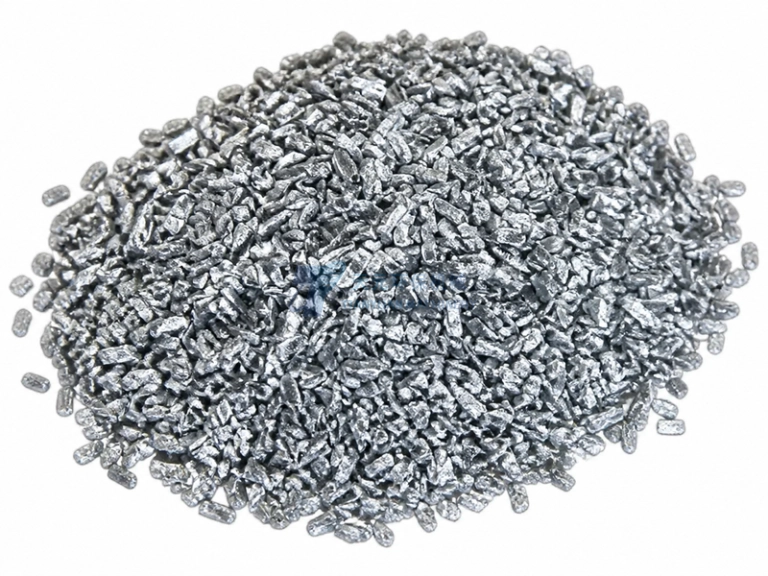
Machining chips: assess oil and other contaminants.
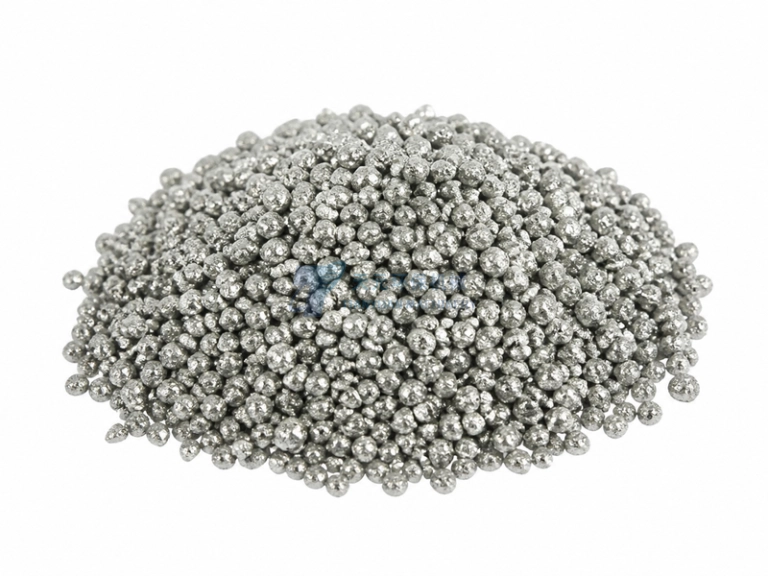
Confirm the alloy grade, size and composition of the granules.
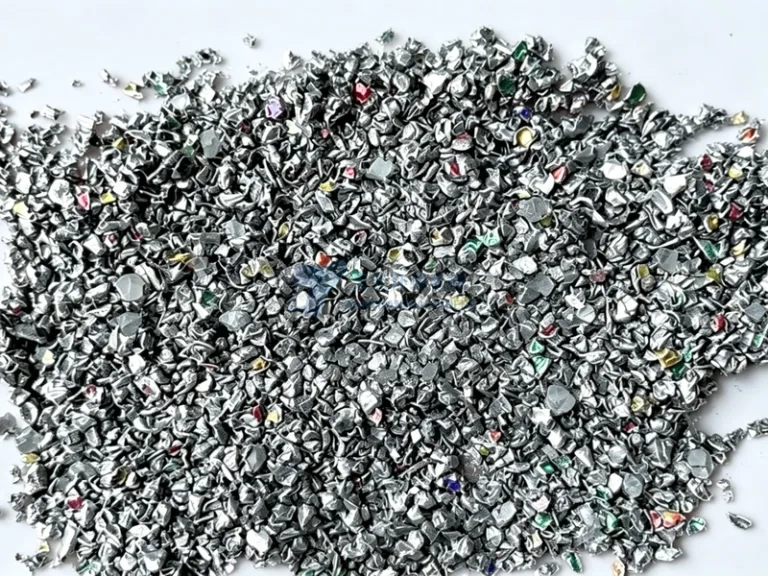
Assess coatings, contaminants and pretreatment requirements before milling.
Combine pretreatment, processing, classification, collection, and testing according to the material and target requirements.
Identify alloy grade, source, contaminants and powder specifications.
Evaluate cleaning, crushing and screening according to the feed condition.
Test representative material with suitable equipment before finalizing the configuration.
Select classification, conveying and collection according to size targets and the safety assessment.
Check size distribution, purity, morphology, throughput and operating stability.
Before-and-after comparison
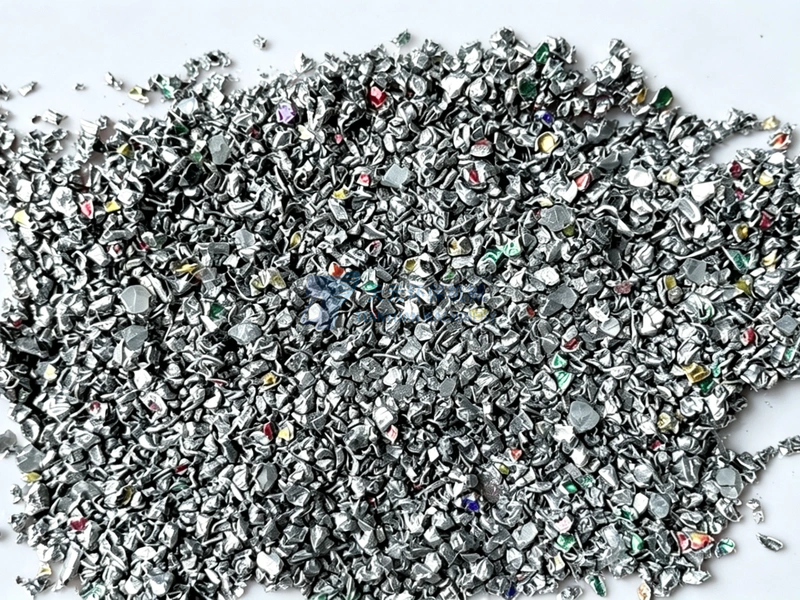
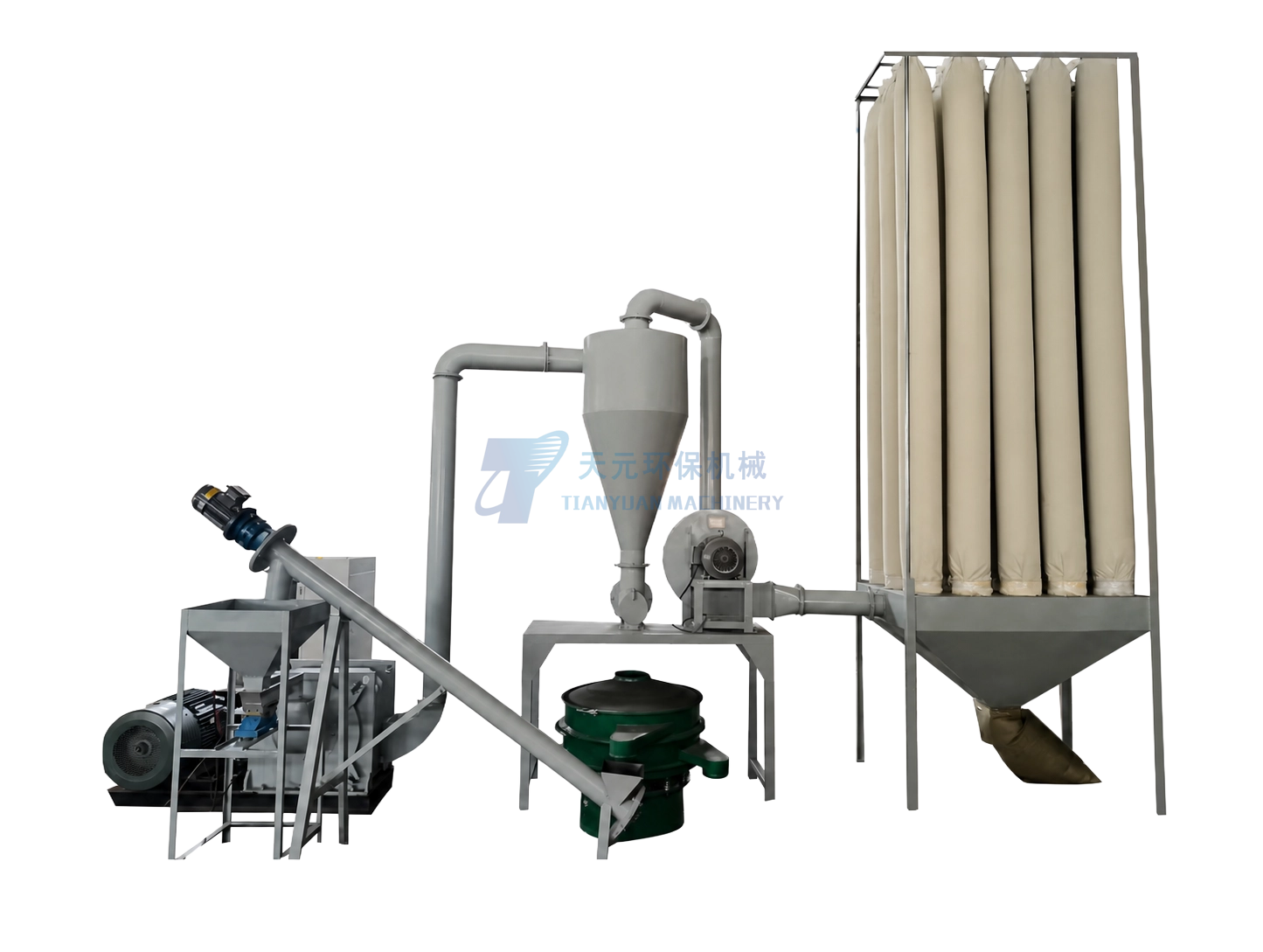
Actual results must be confirmed through representative sample testing.
Share the material form, feed size, moisture, target fineness and required capacity so we can evaluate equipment suitability.