Raw Material and Feed Condition Assessment
Confirm the raw material type, form, feed size, moisture content, and on-site conditions.
The TYMF6R-600 Mugwort Powder Mill is suitable for the fine grinding of herbal fibrous raw materials such as mugwort leaves, mugwort stems, and dried mugwort. Depending on the raw material’s moisture content, feed size, target fineness, and production capacity requirements, it can be configured with pretreatment, fine grinding, classification, and dust collection systems to achieve continuous and stable powder processing of mugwort raw materials.
Request a Solution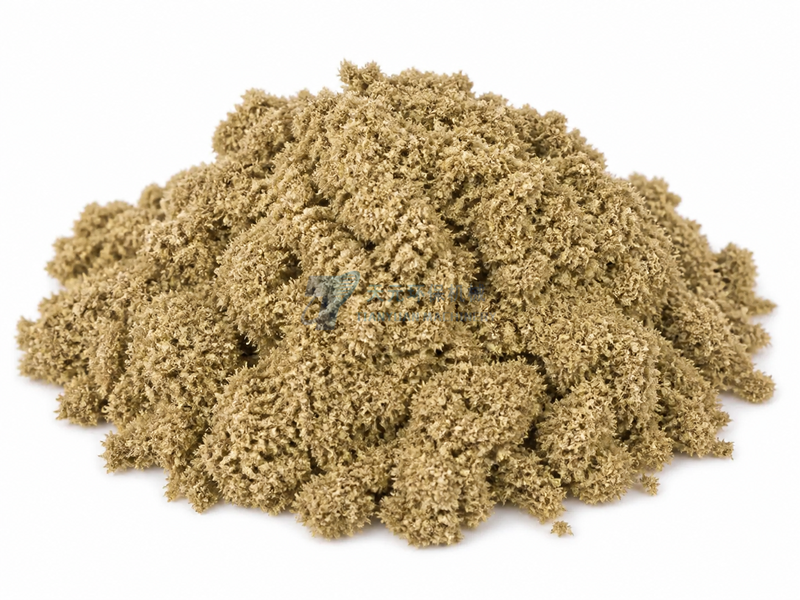
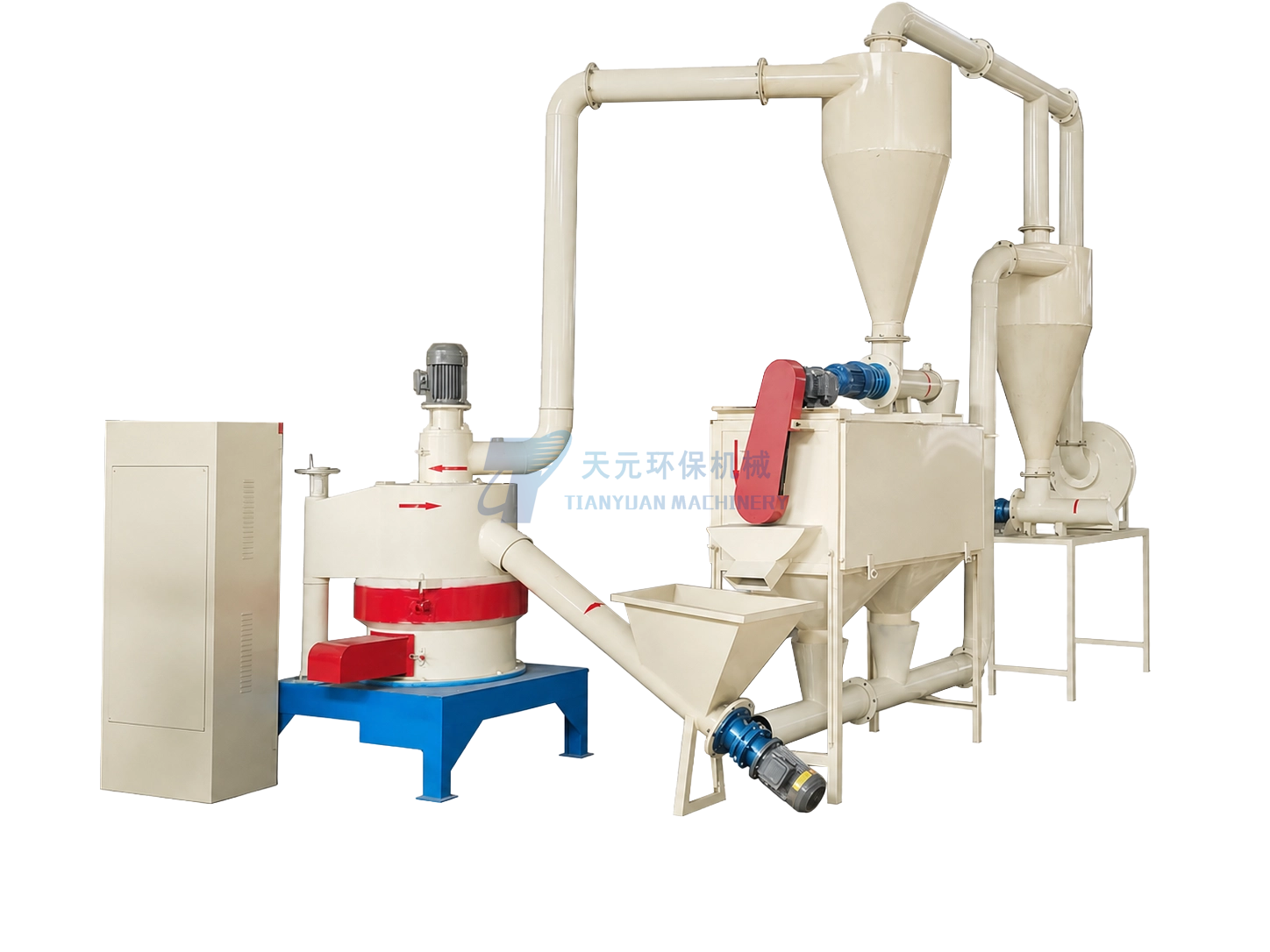
The TYMF6R-600 Artemisia Powder Mill is primarily used for the powder processing of Artemisia leaves, Artemisia stems, dried Artemisia, and other herbaceous fibrous raw materials suitable for mechanical fine grinding. Mugwort is characterized by high fiber content, light weight, and irregular raw material shapes; different batches may also exhibit significant variations in moisture content, fiber length, and initial dimensions. If raw material moisture is too high or pretreatment is insufficient, feed stability, product fineness, and continuous production efficiency can be affected. Therefore, pretreatment processes such as cutting, crushing, and drying must be appropriately configured based on the actual condition of the raw material before grinding.
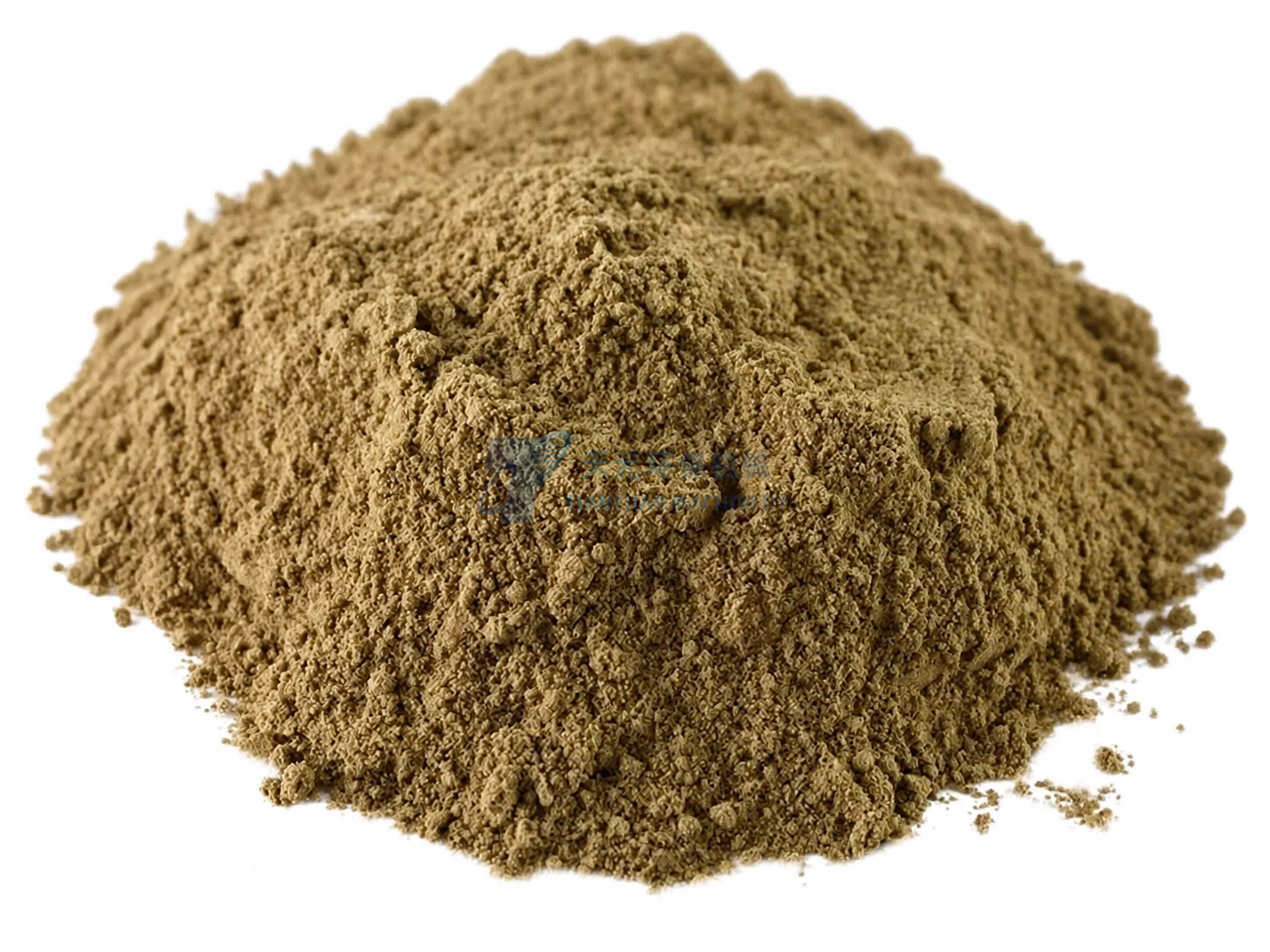
This solution centers on the TYMF6R-600 mugwort grinder. Based on the customer’s raw material morphology, feed size, moisture content, target fineness, and production capacity requirements, it can be configured with process steps such as uniform feeding, fine grinding, classification, and dust collection processes. This ensures that the pretreated mugwort raw material is further refined, resulting in a finished powder with relatively uniform particle size that is easy to collect and suitable for subsequent use. By appropriately adjusting the feed conditions and equipment operating parameters, it is possible to balance processing fineness, throughput capacity, and continuous operational stability.
In actual projects, the final grinding results may vary depending on the differences in the fiber structure, moisture content, and ratio of mugwort leaves to stems. Tianyuan can select equipment and evaluate processes based on raw material samples, target fineness, and production capacity requirements provided by the customer; for raw materials with significantly different processing characteristics, test runs can be conducted to further verify the grinding results, providing a basis for subsequent equipment configuration and stable production.
Confirm the raw material type, form, feed size, moisture content, and on-site conditions.
Confirm requirements for target fineness, purity, particle shape, production capacity, and finished product consistency.
Based on project requirements, we integrate pretreatment, the TYMF6R-600 mugwort powder mill, screening, collection, and dust collection systems.
For raw materials with significantly different properties, we recommend conducting test runs to verify actual processing results.
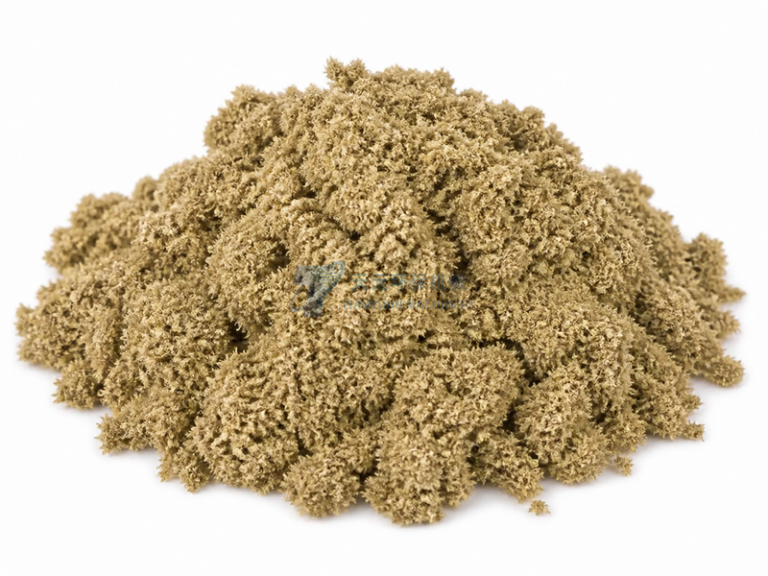
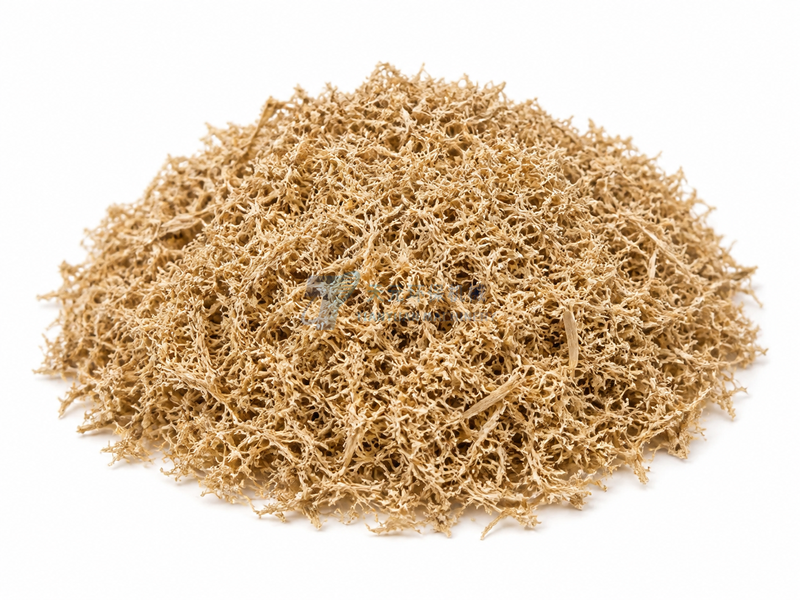
Raw Materials for Mugwort Powder Production
Combine pretreatment, processing, classification, collection, and testing according to the material and target requirements.
Confirm the type of mugwort raw material, fiber length, moisture content, feed size, and target fineness
Determine cutting, crushing, screening, or drying requirements based on feed size and form
Grinding is performed using the TYMF6R-600 mugwort powder mill; the specific configuration was determined through testing.
Configure screening, conveying, dust collection, and material collection systems based on target particle size
Verify the fineness, moisture content, processing capacity, and collection efficiency of the finished product
Before-and-after comparison
Actual results must be confirmed through representative sample testing.
Share the material form, feed size, moisture, target fineness and required capacity so we can evaluate equipment suitability.