Raw Material and Feed Condition Assessment
Confirm the raw material type, form, feed size, moisture content, and on-site conditions.
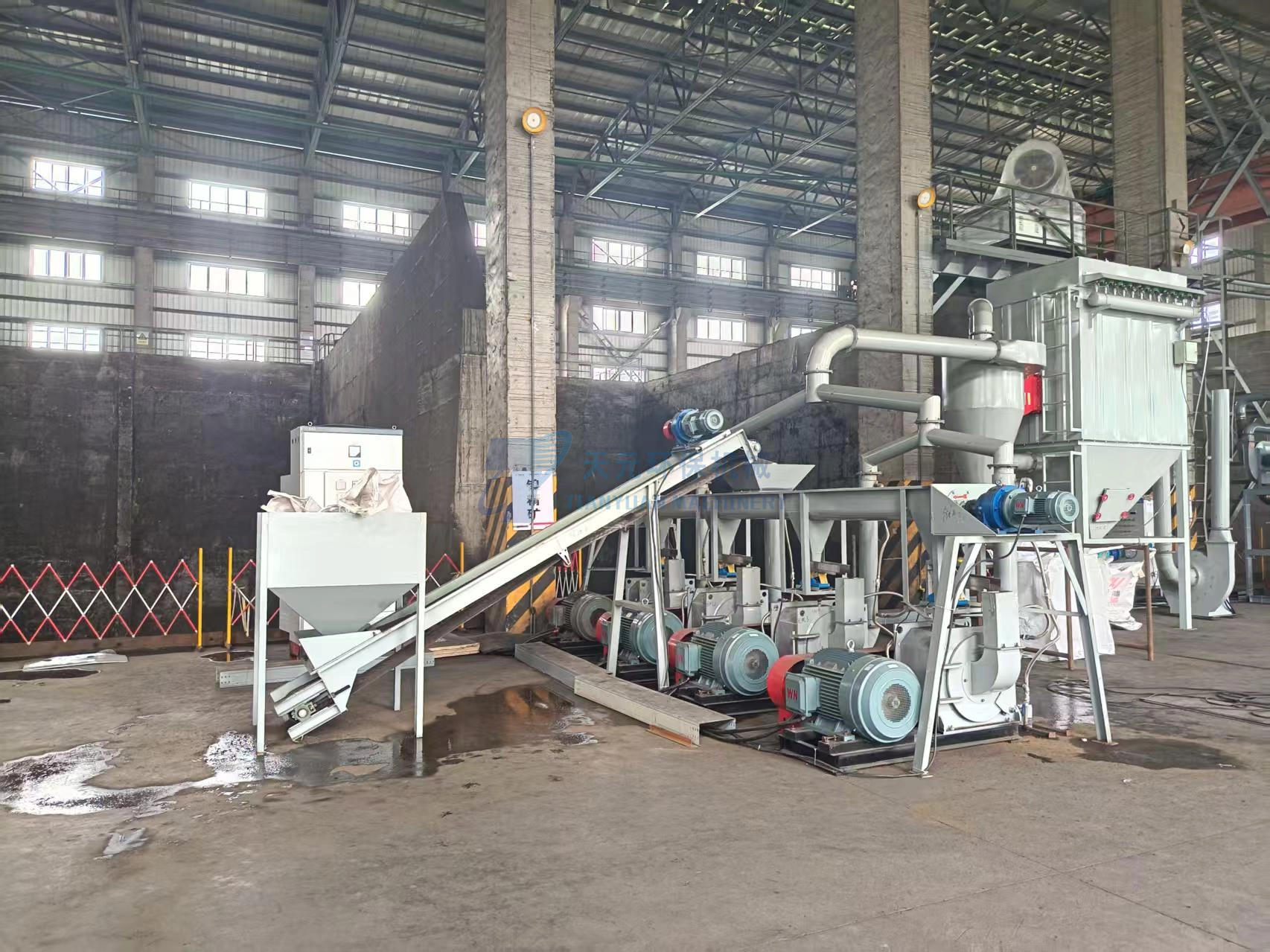
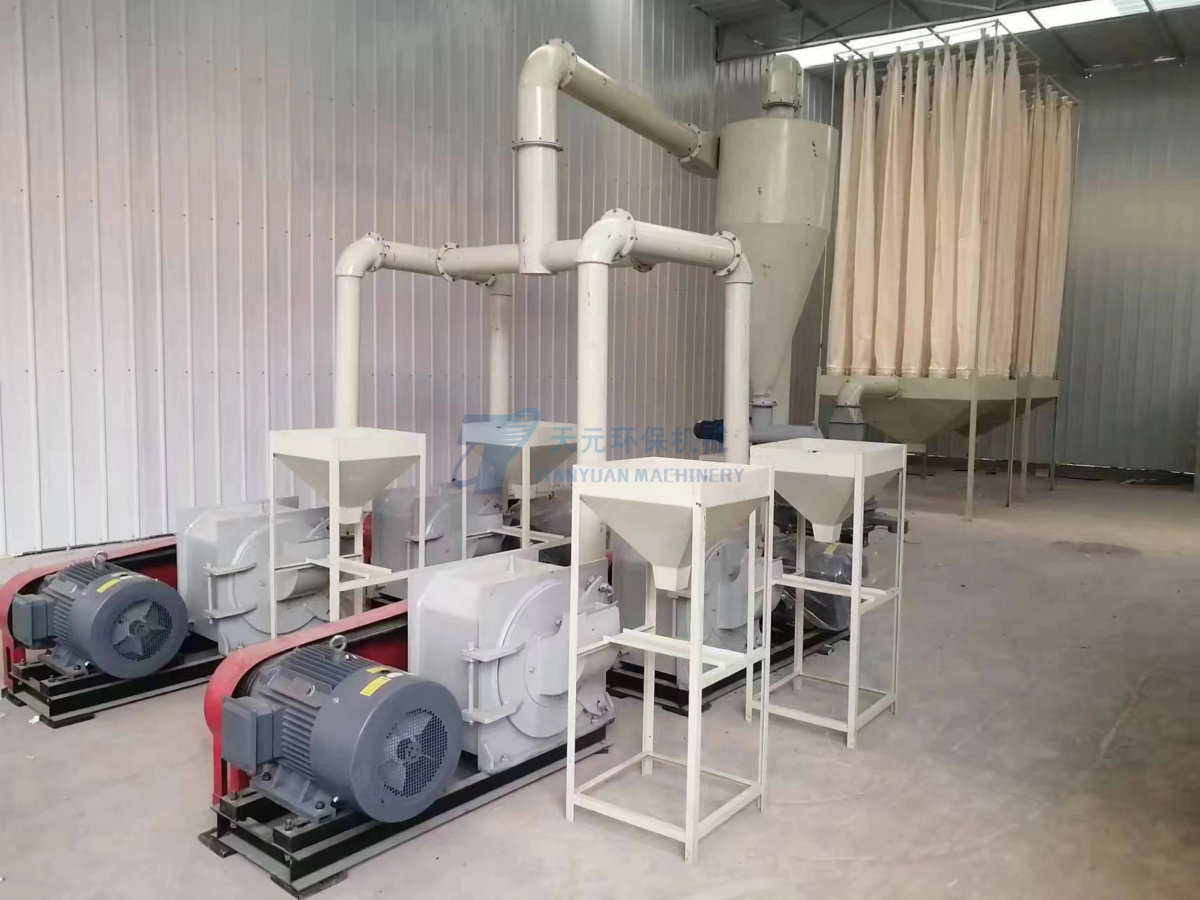
Metal Powder Grinding Mills use mechanical grinding methods to process certain non-ferrous metals, alloy materials, and recycled metals into fine powders. Depending on the raw material’s composition, form, feed size, target particle size, and production capacity requirements, corresponding pretreatment, grinding, classification, and powder collection systems can be configured to achieve stable, continuous metal powder processing.
Request a Solution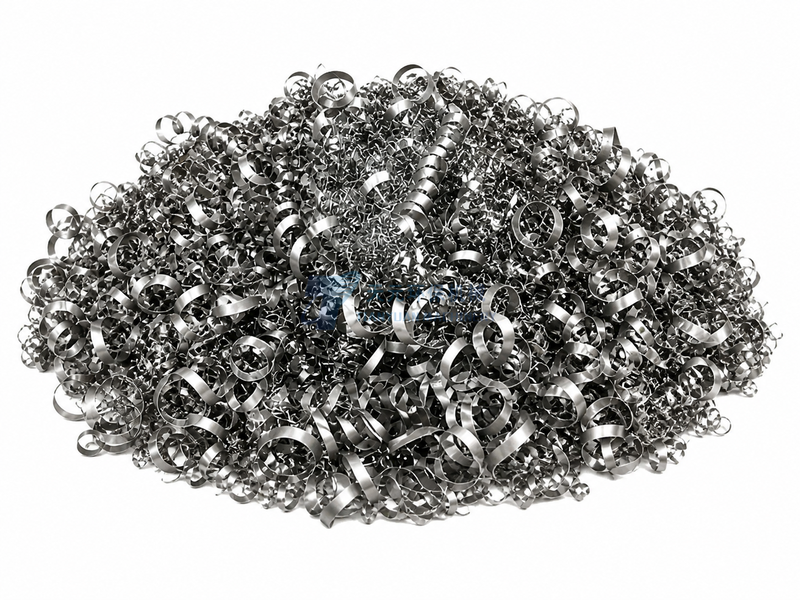
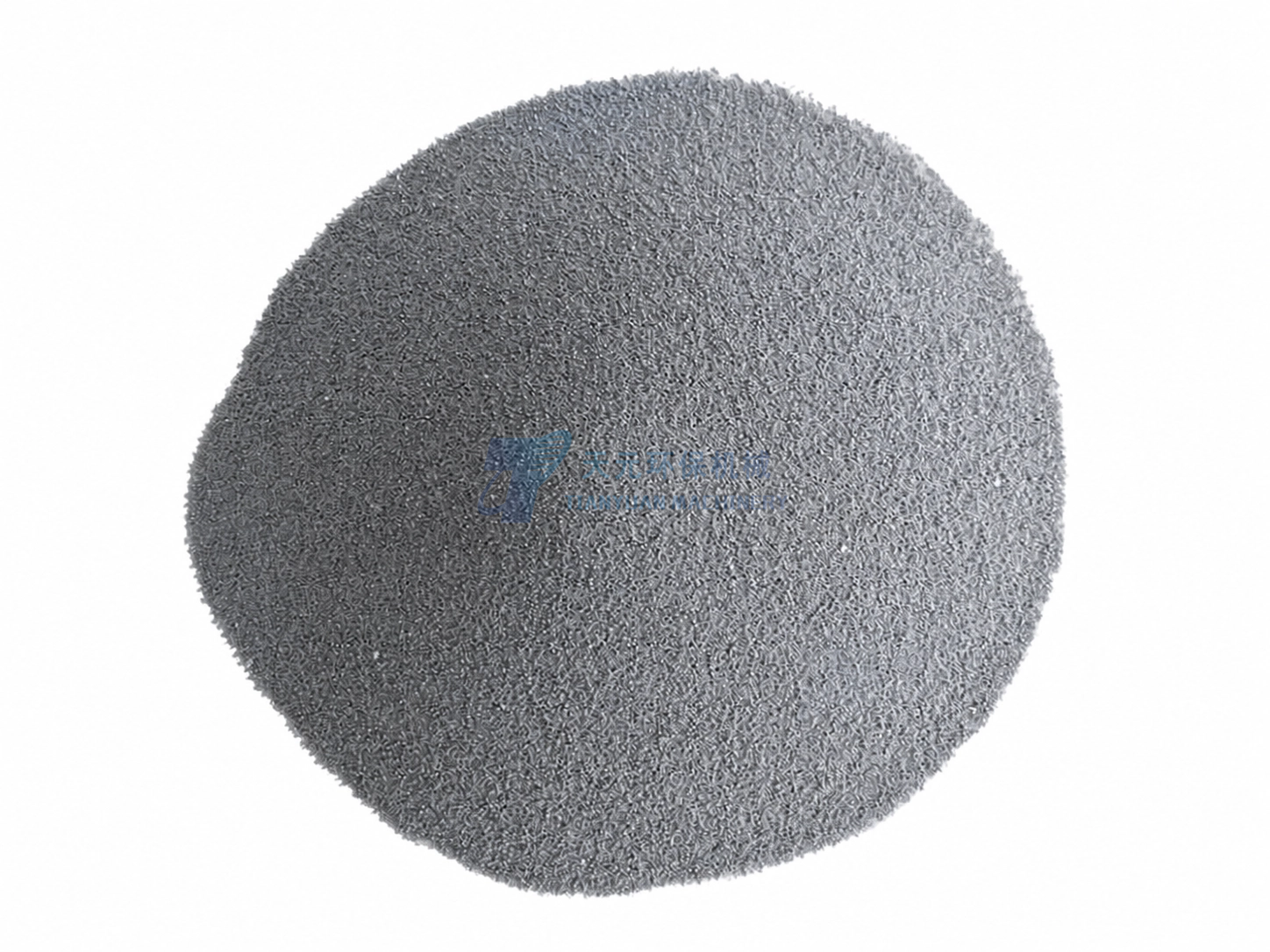
Metal Powder Grinding Mills are primarily used to further refine metal raw materials suitable for mechanical processing into metal powders within a specific particle size range. They are suitable for the powder processing of certain non-ferrous metals, alloy materials, metal scrap, and recycled materials. Unlike brittle materials such as ore, metals generally possess a certain degree of toughness and ductility. The powder-making process places higher demands on equipment structure, grinding methods, temperature control, powder collection, and particle size stability; therefore, process configurations must be tailored to the specific characteristics of each material.
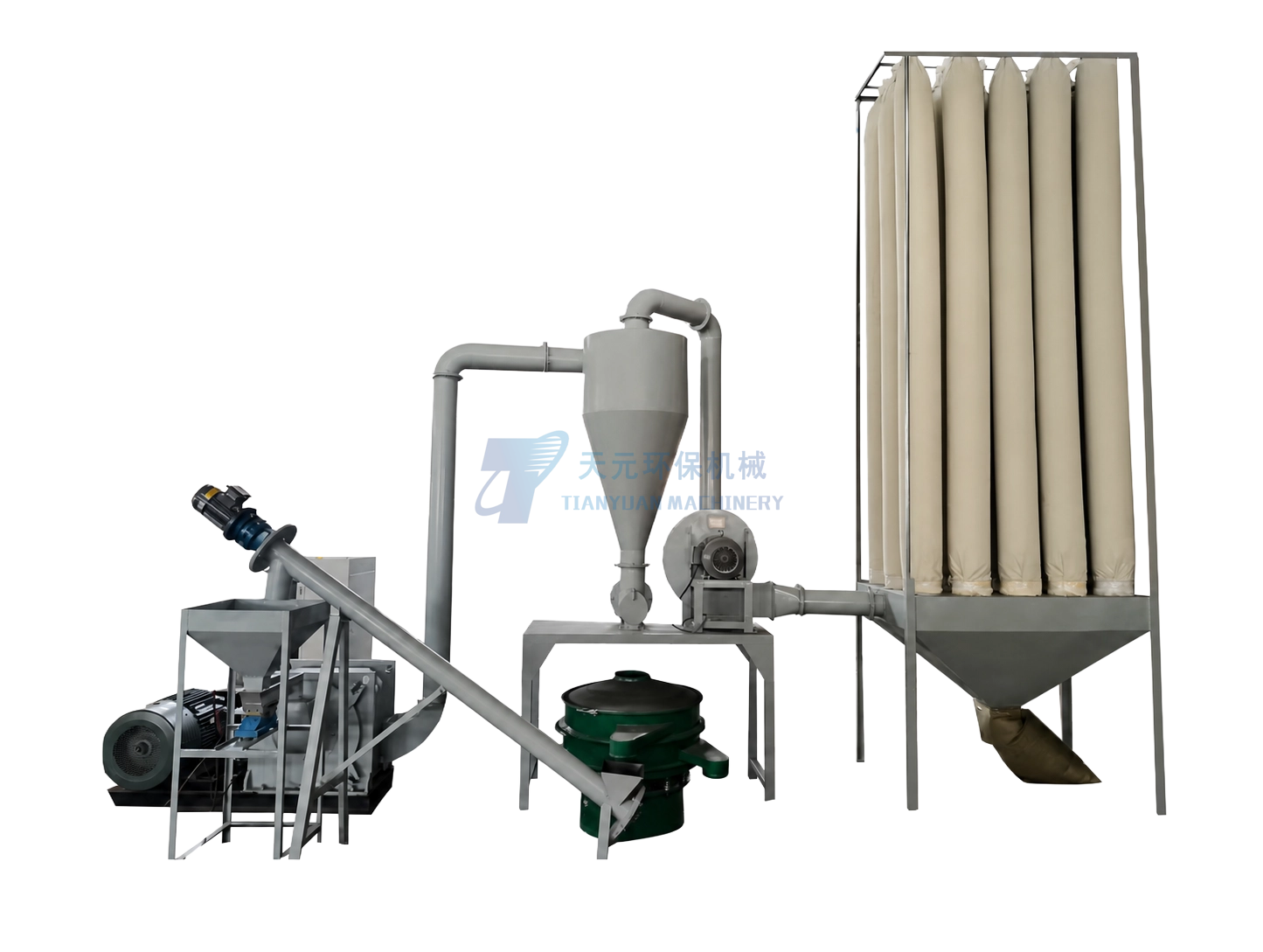
This solution centers on a Metal Powder Grinding Mill that employs mechanical pulverization. Based on the customer’s raw material properties—including material type, form, feed size, target fineness, and production capacity requirements—it incorporates corresponding systems for pretreatment, uniform feeding, grinding, classification and screening, and powder collection. This ensures that, after continuous processing, the metal raw materials yield finished powders that meet subsequent application requirements. For different alloys or recycled metal materials, equipment parameters and process flows can be adjusted based on their hardness, toughness, impurity content, and processing characteristics to balance powder production efficiency, finished product particle size, and operational stability.
In actual projects, the mechanical grinding properties of different metal materials vary significantly; generally, the finer the target particle size, the higher the requirements for equipment configuration and process control. Tianyuan can conduct equipment selection and evaluation based on the raw material information, target particle size, and production capacity requirements provided by the customer, and determine the appropriate Metal Powder Grinding Mill and supporting solution based on the actual material conditions. For materials with unclear processing characteristics, the powder production effect can be further verified through test samples to provide a basis for subsequent stable production.
Confirm the raw material type, form, feed size, moisture content, and on-site conditions.
Confirm requirements for target fineness, purity, particle shape, production capacity, and finished product consistency.
We customize systems combining pretreatment, metal powder grinding, screening, collection, and dust removal based on project requirements.
For raw materials with significantly different properties, we recommend conducting test runs to verify actual processing results.
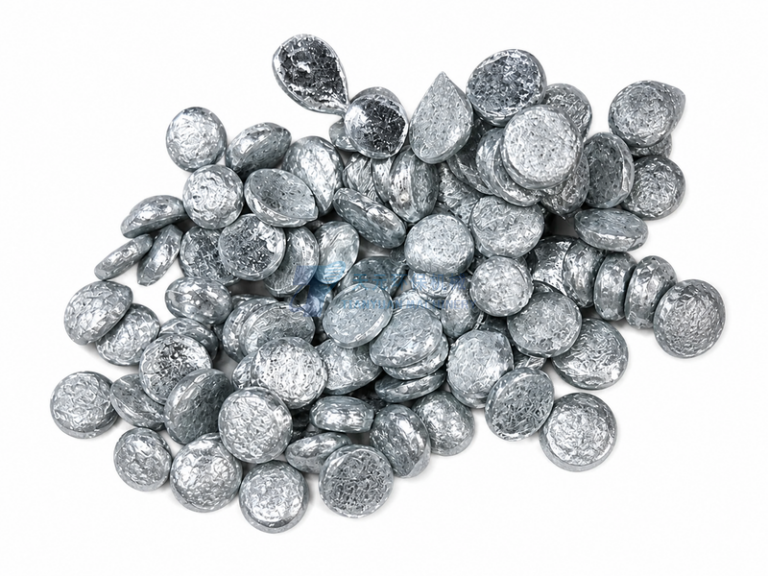
Zinc pellets generated during the processing of new products
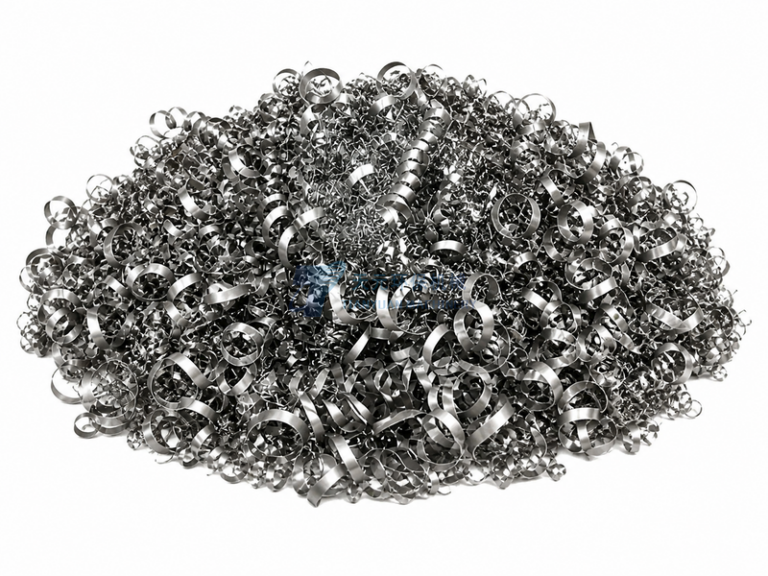
Grinding of stainless steel chips generated during lathe machining
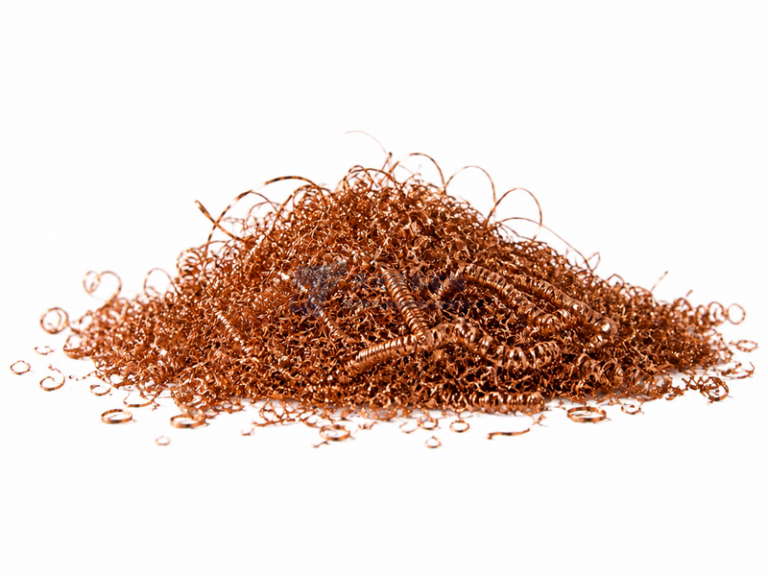
Copper shavings left over from lathe machining
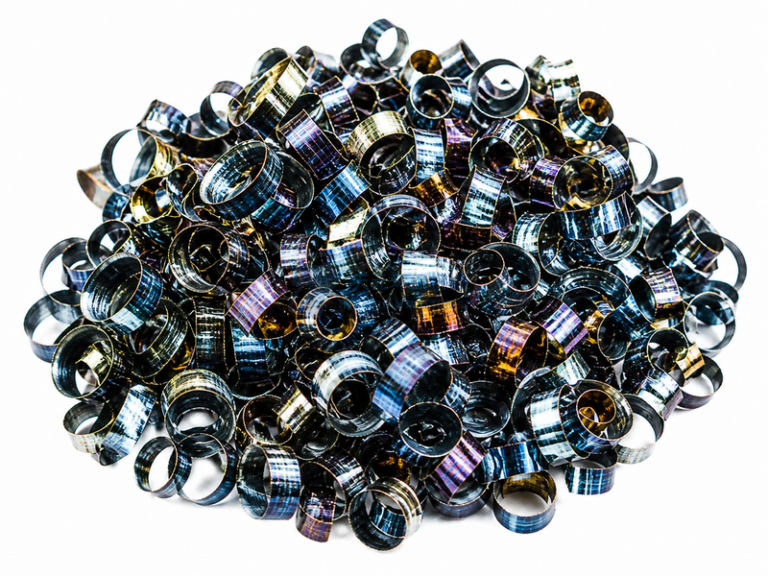
Steel chips left over from lathe machining
Combine pretreatment, processing, classification, collection, and testing according to the material and target requirements.
Verify material type, grade, source, impurities, and target powder specifications
Determine cutting, crushing, screening, or drying requirements based on feed size and form
Grinding is performed using a suitable Metal Powder Grinding Mill; the specific configuration is determined through testing.
Configure screening, conveying, dust collection, and material collection systems based on target particle size
Verify particle size distribution, purity, particle shape, production output, and operational stability
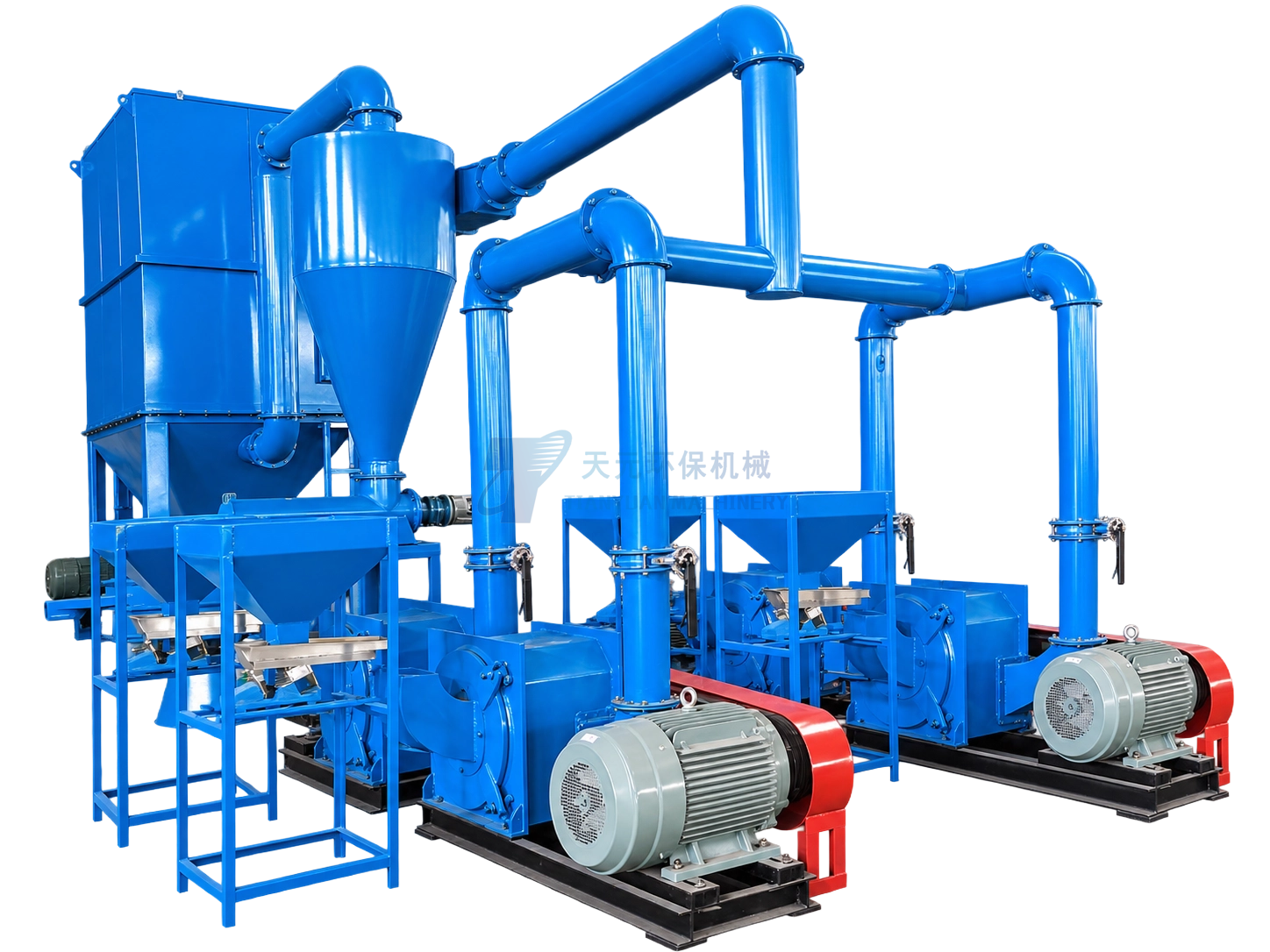
Before-and-after comparison
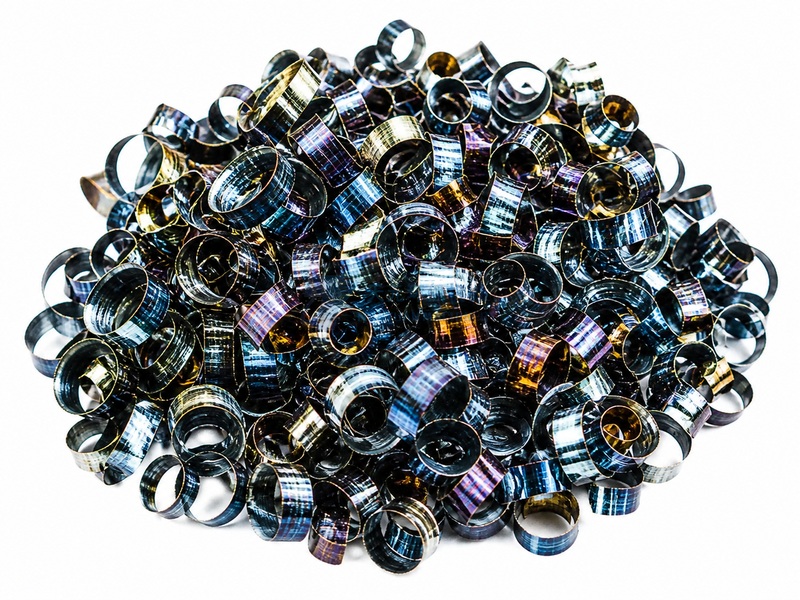
Actual results must be confirmed through representative sample testing.
Share the material form, feed size, moisture, target fineness and required capacity so we can evaluate equipment suitability.