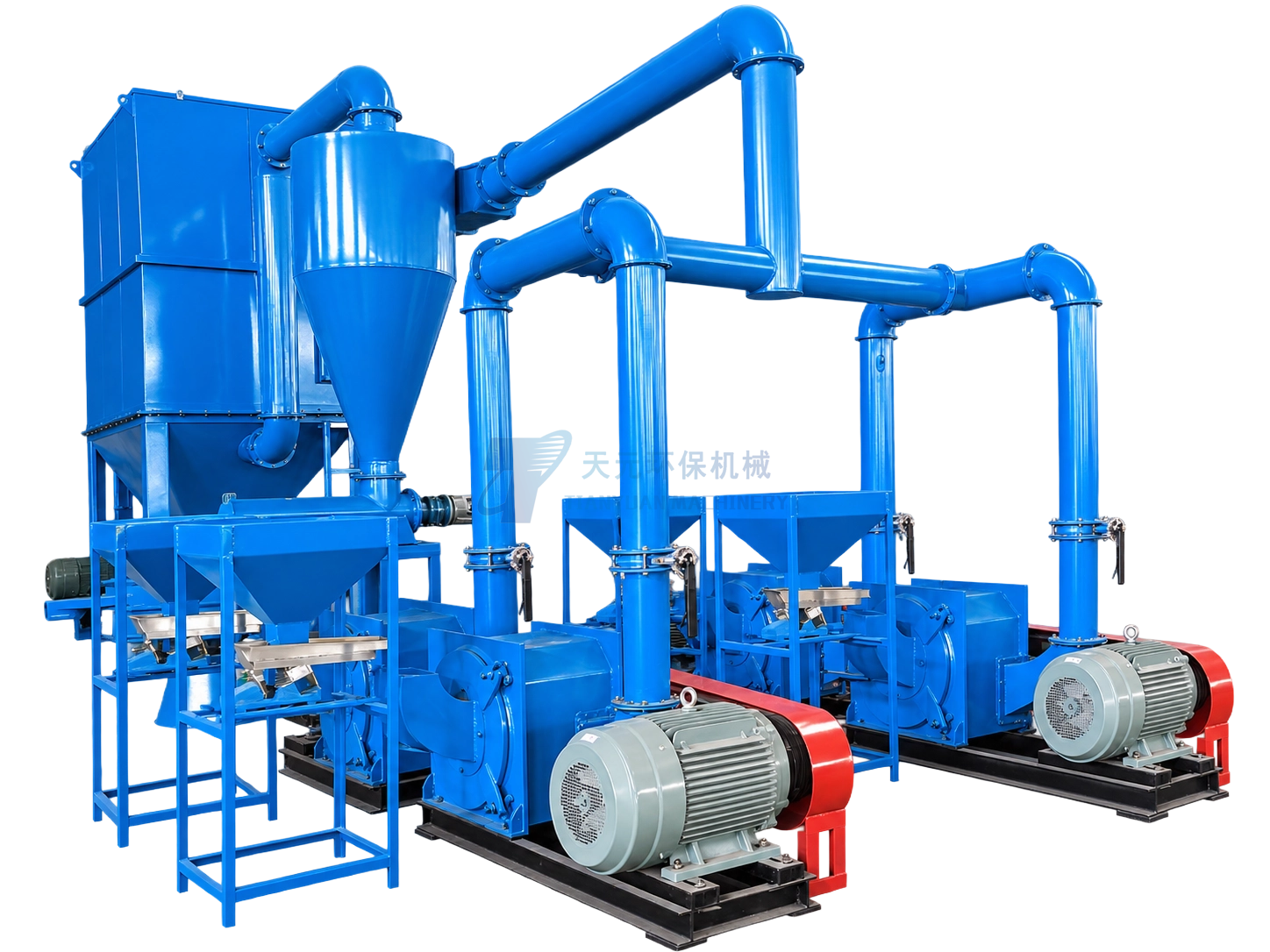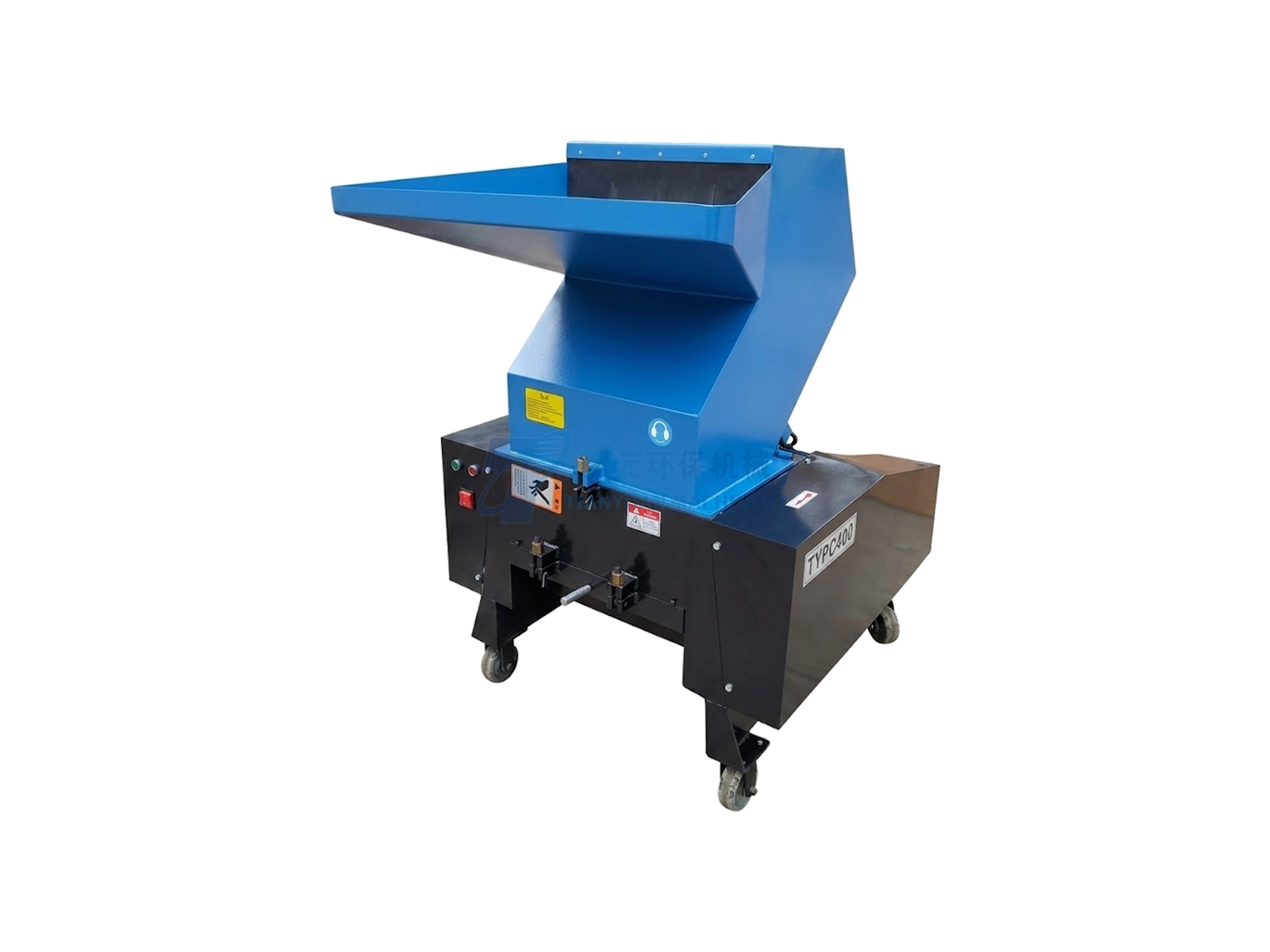
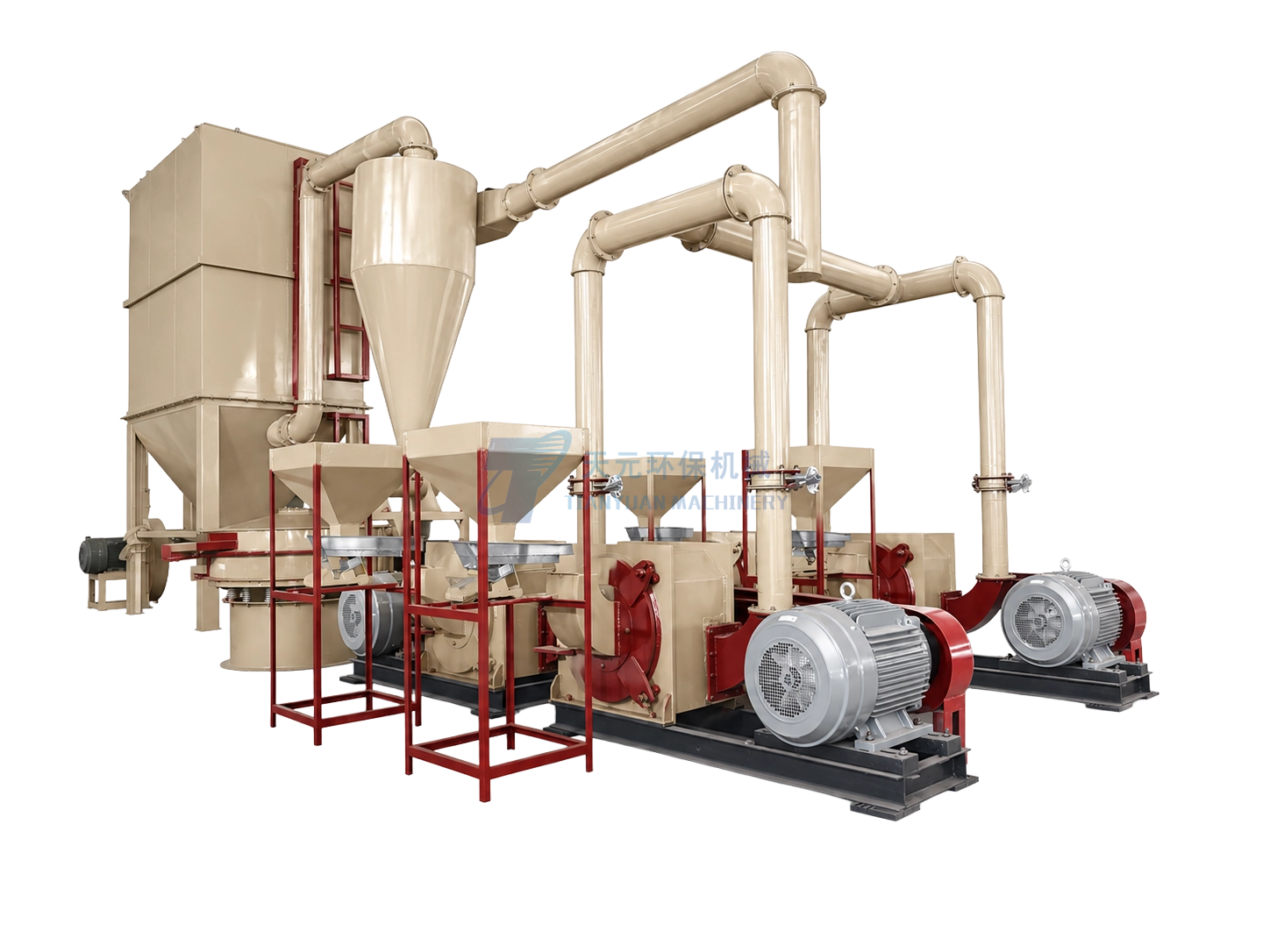
Zhengzhou Tianyuan manufactures Wood Powder Mills, Metal Powder Grinding Mills, aluminum can grinding mills, zinc powder grinding mills, zinc slag grinding mills, stainless steel mills, and ultra-fine mills, among other grinding equipment. The company also manufactures wood crushers, wood chip machines, and ultra-fine crushers. These products are sold to businesses engaged in grinding, crushing, and similar operations; therefore, we strongly urge users to follow the operating instructions when using the equipment. Equipment maintenance and upkeep include equipment inspection and routine maintenance. The quality of maintenance and upkeep directly affects equipment performance, product quality, and the enterprise’s production efficiency. I. Equipment Inspection Equipment inspection is an effective means of promptly assessing the technical condition of equipment and implementing condition-based maintenance. It serves as the foundation of maintenance work. Through inspection, potential equipment hazards can be identified and eliminated in a timely manner, preventing sudden failures and accidents—a critical task for ensuring the normal operation of equipment.
1. Routine Inspections: Routine inspections involve operators checking the technical condition of all equipment components in accordance with established standards, primarily using their five senses, to promptly identify potential hazards, implement corrective measures, and minimize losses from equipment downtime. For critical equipment, operators must conduct item-by-item inspections and record the results using the equipment inspection checklist at the end of each shift or at specified intervals. During their rounds, maintenance personnel promptly and effectively address any abnormalities recorded on the inspection cards to ensure the equipment remains in good working condition. 2. Periodic Inspections: In accordance with prescribed inspection cycles, maintenance technicians conduct comprehensive inspections and measurements of equipment performance and accuracy. For issues that cannot be resolved immediately, the inspection results are carefully documented to serve as the basis for future decisions regarding maintenance solutions for the equipment.
3. Precision Inspection: This involves the measurement, analysis, and adjustment of the equipment’s geometric accuracy, machining accuracy, and installation quality. This work is carried out by dedicated inspectors according to a schedule, with the purpose of determining the equipment’s actual precision and providing a reference basis for equipment adjustment, repair, acceptance, and decommissioning. Conducting various inspections of the equipment and accurately recording its status information provides a reliable basis for future maintenance and helps estimate maintenance costs. II. Equipment Maintenance Daily equipment maintenance should ensure that the equipment is organized, clean, properly lubricated, and safe.
1. Orderliness: Tools, workpieces, and accessories are neatly arranged; all safety protective equipment is complete; electrical wiring and piping are safe and intact. 2. Cleanliness: Equipment is clean both inside and out; all sliding surfaces, lead screws, racks, gears, handles, and handwheels are free of oil residue and damage; no oil or water leaks from any parts; metal shavings and debris are thoroughly cleaned up. 3. Lubrication: Add and change oil at scheduled intervals and in the specified quantities; oil quality meets requirements; oil cans, oil guns, and oil cups are complete; oil gauges, oil lines, and oil scrapers are kept clean, and oil passages are unobstructed. 4. Safety: Implement a system of designated operators for specific machines, operation based on valid credentials, and shift handover procedures; be familiar with the equipment’s structure, comply with operating procedures, use the equipment properly, maintain it meticulously, and ensure safe, accident-free operation.
When inspecting and maintaining equipment such as grinders and crushers, maintenance personnel should not focus solely on a single aspect of repair; they must follow the equipment manual to address areas prone to problems and those that are easily overlooked. At the same time, do not begin to neglect basic operational requirements simply because the equipment is functioning normally following a period of inspection and maintenance. It is essential to remain consistent and to engage in mutual supervision and inspection to maximize the service life of the equipment.
When selecting equipment, determining production capacity, or assessing application suitability, confirmation must still be based on the actual raw materials and target parameters.