Raw Material and Feed Condition Assessment
Confirm the raw material type, form, feed size, moisture content, and on-site conditions.
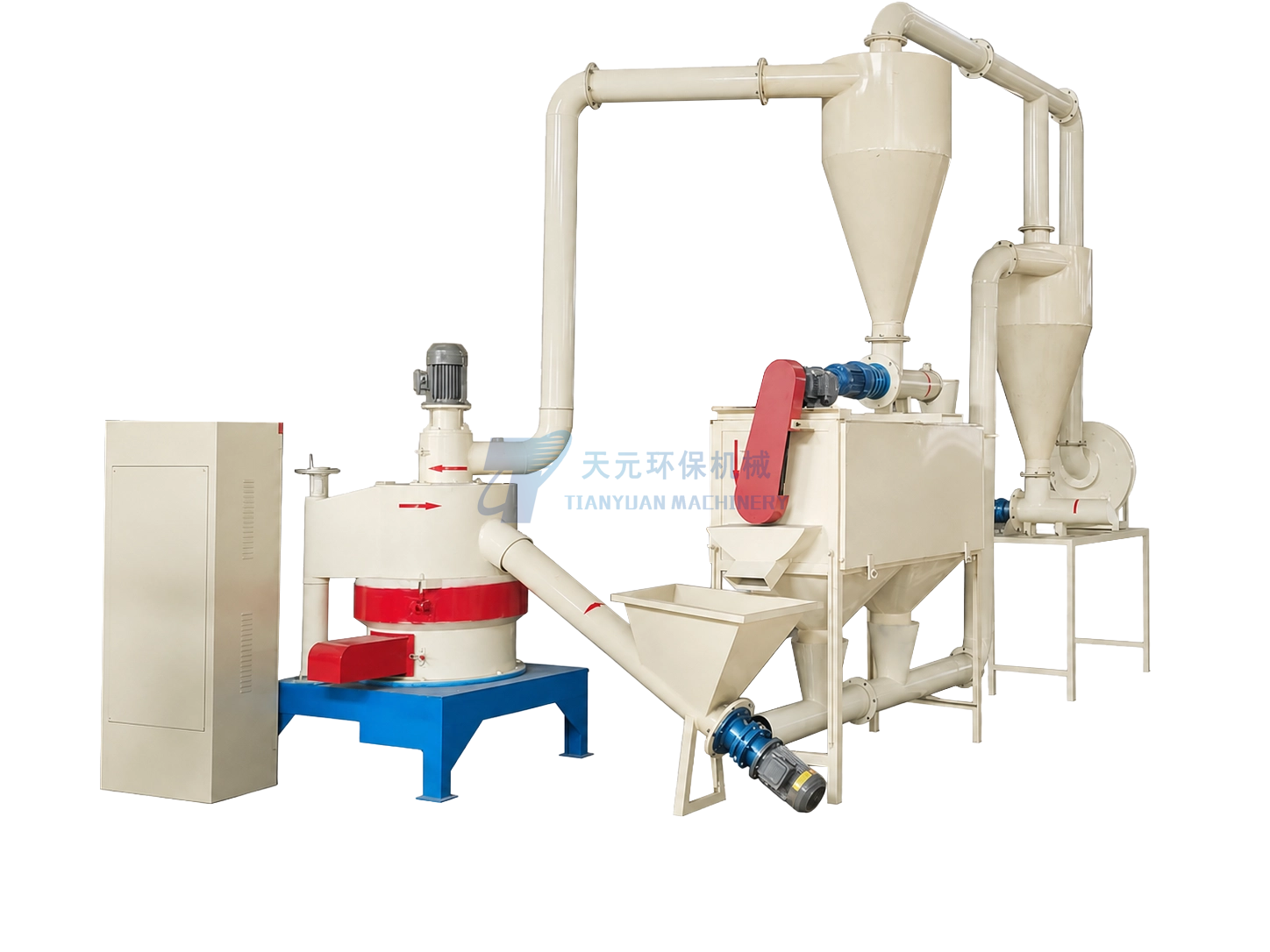
Glass fiber grinding mills are suitable for the grinding and refinement of waste materials such as glass filaments, chopped glass fibers, and glass fiber scraps, transforming fibrous raw materials into recycled powder that is easier to collect, store, and reuse. Glass fiber grinding mills can be configured with classification and dust collection systems based on the raw material’s form, target particle size, and production capacity requirements, thereby improving the efficiency of recycling glass fiber waste.
Request a Solution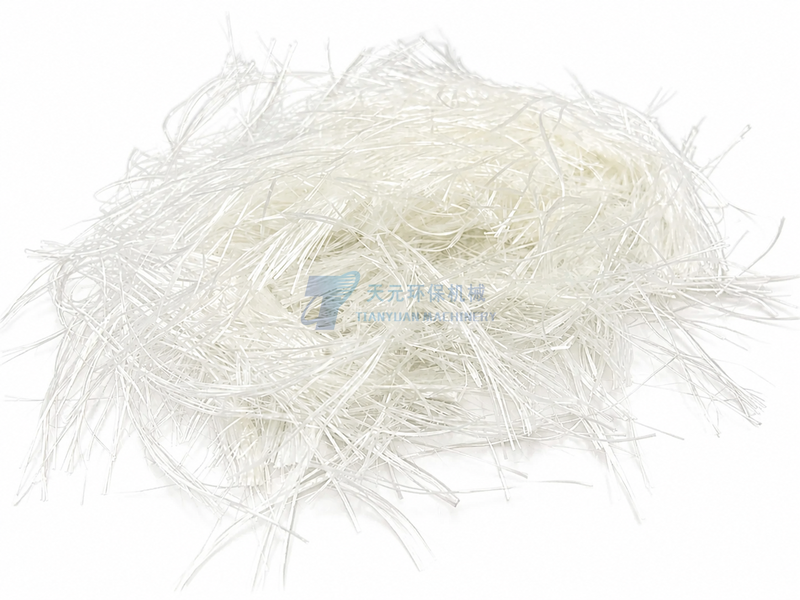
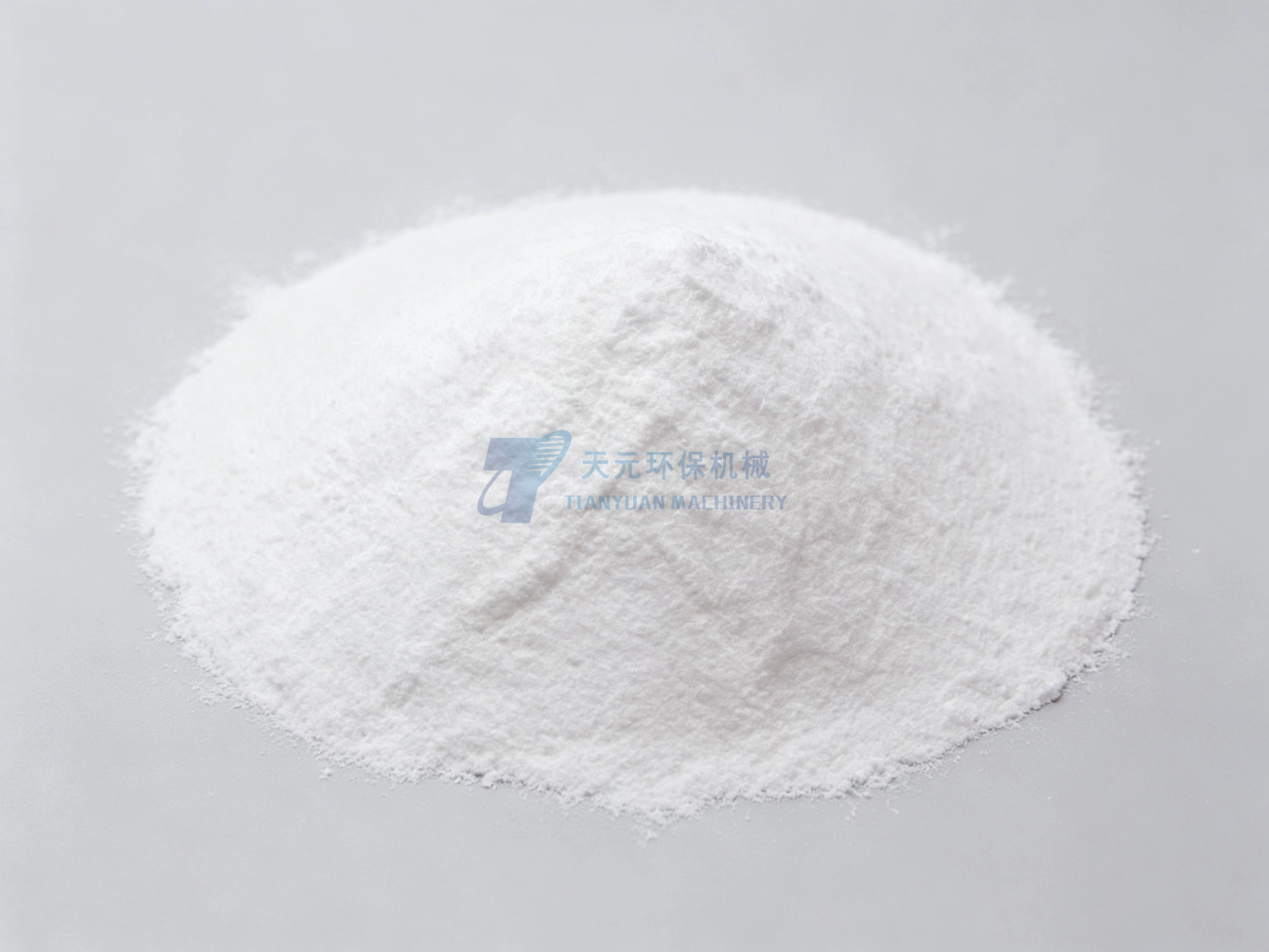
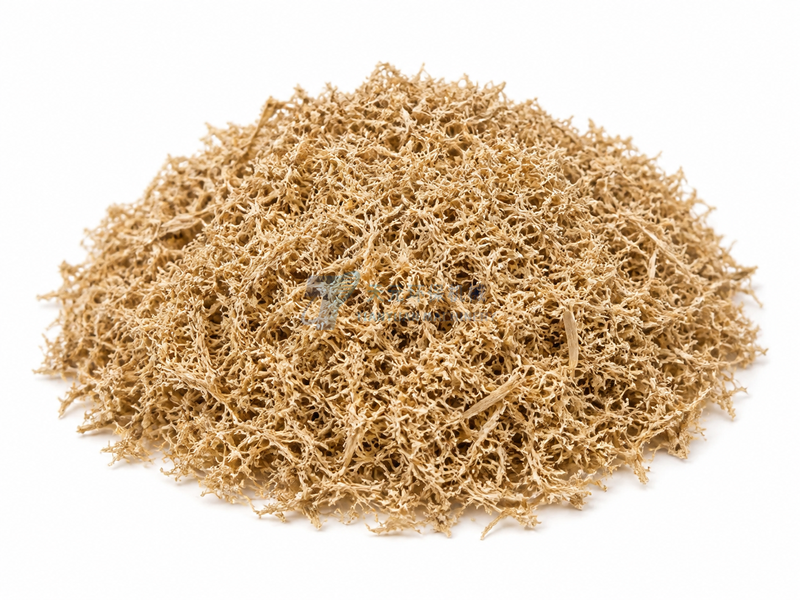
Glass fiber grinding mills are primarily used for processing glass filaments, chopped glass fibers, glass fiber scrap, and other glass fiber waste suitable for mechanical refinement. Glass filament waste features long, slender fibers that are light and prone to scattering, making direct stacking and transport difficult. If allowed to accumulate, it not only occupies production space but may also generate fine fibers and dust, complicating the work environment and waste management. Through mechanical crushing, refinement, and classification using a glass filament pulverizer, fibrous waste can be processed into recycled powder with a more uniform particle size that is easier to collect and utilize, thereby enhancing the resource value of the glass fiber waste.
During actual processing, raw glass fiber length, impurity content, resin presence, and target fineness all affect the final grinding results, so equipment selection and process configuration must be tailored to the raw material. Glass fiber grinding mills can be used in conjunction with uniform feeding, crushing, fine grinding, classification, and dust collection systems to ensure continuous material feeding into the processing line and minimize the impact of flying fibers and dust emissions on the production environment.
Tianyuan can conduct a process evaluation based on the form of the glass fiber waste, feed size, target particle size, and production capacity requirements provided by the customer, and configure the appropriate glass fiber grinding mill and supporting equipment accordingly. For glass fiber materials with significant differences in composition or form, processing results can be further verified through sample testing, providing a basis for subsequent stable production and resource recovery.
Confirm the raw material type, form, feed size, moisture content, and on-site conditions.
Confirm requirements for target fineness, purity, particle shape, production capacity, and finished product consistency.
We design customized systems combining pretreatment, glass fiber grinding and powder production, screening, collection, and dust removal, tailored to specific project requirements.
For raw materials with significantly different properties, we recommend conducting test runs to verify actual processing results.
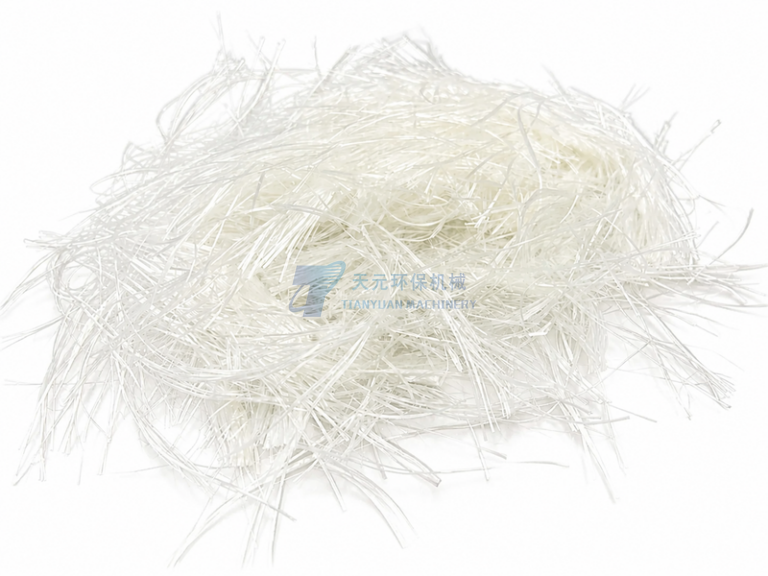
Combine pretreatment, processing, classification, collection, and testing according to the material and target requirements.
Confirm the type of glass fiber, fiber length, impurity content, and target particle size
Determine cutting, crushing, screening, or drying requirements based on feed size and form
Grinding is performed using a compatible glass fiber grinding mill; the specific configuration is determined through testing.
Configure screening, conveying, dust collection, and material collection systems based on target particle size
Verify target particle size, fiber condition, processing capacity, and collection efficiency
Before-and-after comparison
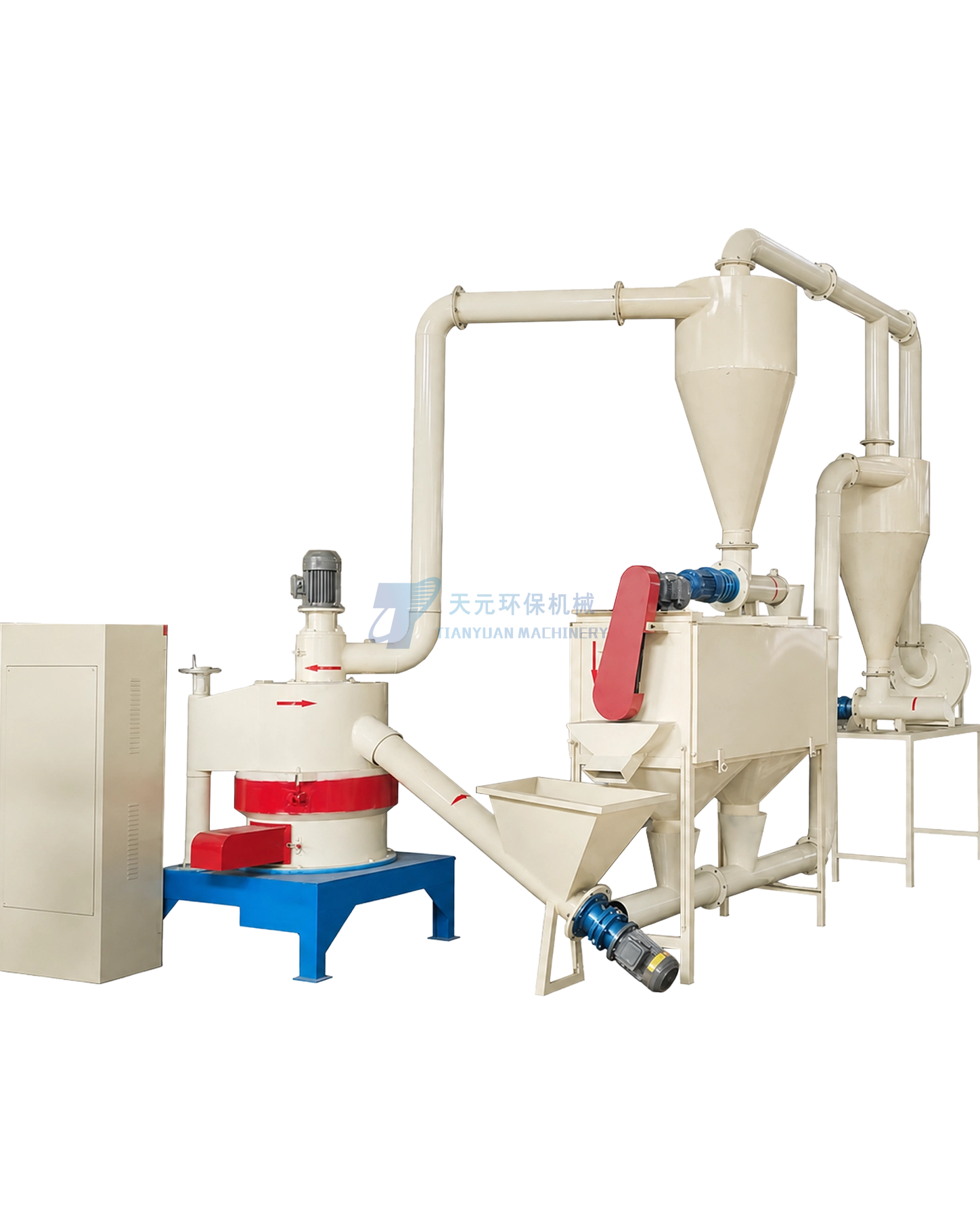
Actual results must be confirmed through representative sample testing.
Share the material form, feed size, moisture, target fineness and required capacity so we can evaluate equipment suitability.